A small bedroom does not have to feel limiting. In fact, many of the most peaceful and emotionally comforting bedrooms are small because they feel contained, quiet, and personal. When a room is thoughtfully designed, the mind naturally begins to relax the moment you enter. The goal is not to make the room look bigger at any cost, but to make it feel calmer, softer, and more supportive of rest.
Across modern apartments in the US, UK, and other urban areas, people are focusing more on sleep quality, mental wellness, and stress reduction. This shift has changed the way bedrooms are designed. Instead of heavy decoration or bold styling, modern relaxing bedroom ideas focus on simplicity, comfort, and emotional warmth. Lighting, layout, and textures now matter more than expensive furniture.
Below are carefully explained small bedroom comfort ideas that work as a powerful alternative to traditional relaxing bedroom ideas for small rooms. Each idea focuses on improving how the space feels, not just how it looks.
10 Small Bedroom Comfort Ideas That Reduce Stress

Table of Contents
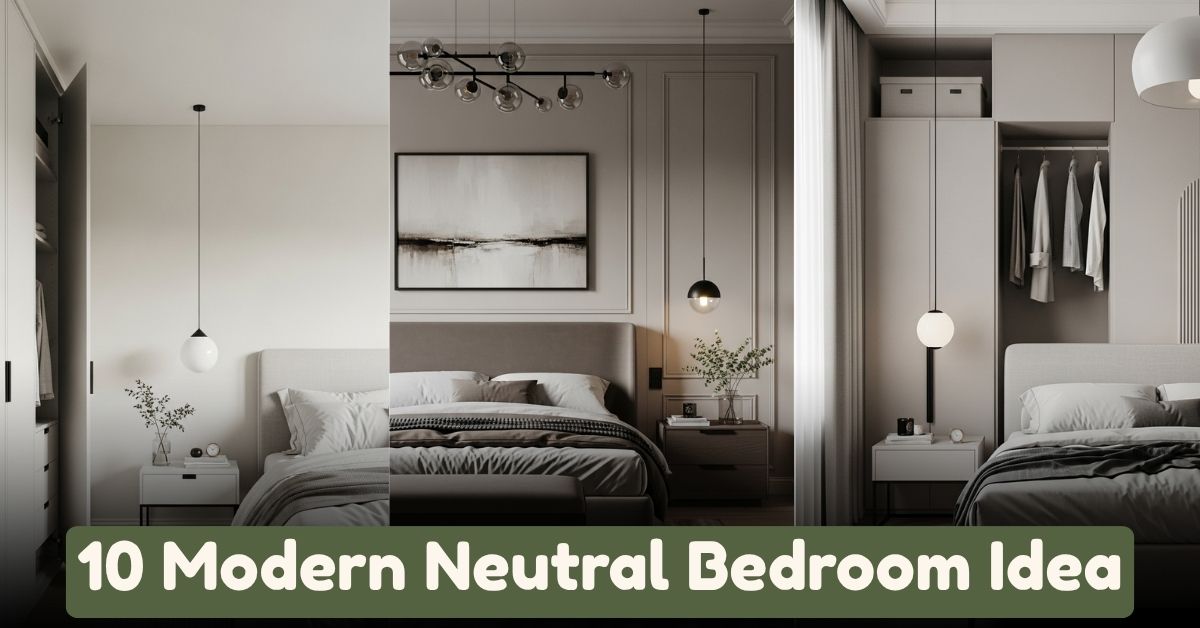
1. Start With a Calm and Balanced Colour Foundation
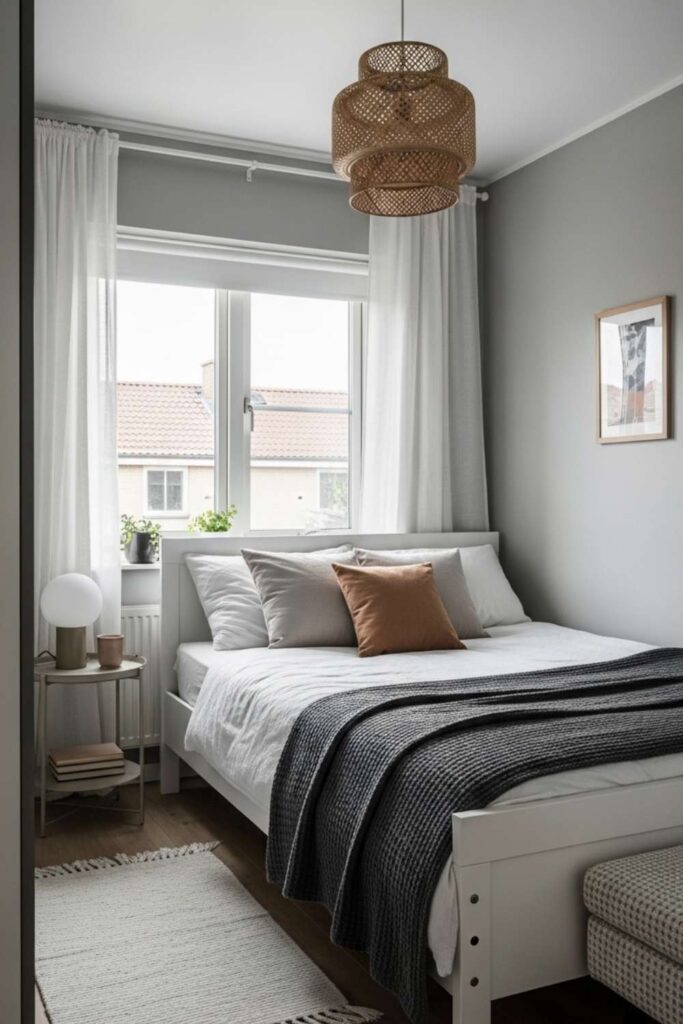
Colour has a deep psychological effect on how the brain responds to a space. In small bedrooms, strong contrasts or overly dark tones can make the room feel visually heavy and mentally tiring. Soft colours such as warm white, pale grey, muted beige, and gentle earth tones create a sense of calm that immediately reduces visual tension.
A neutral foundation also improves flexibility. Bedding, curtains, cushions, and decorative elements can change with seasons or personal taste without disturbing the overall harmony of the room. This makes the bedroom easier to maintain and prevents the space from feeling outdated over time.
Most importantly, calm colours help the nervous system slow down. When the environment feels quiet to the eyes, the mind becomes quieter as well. This is one of the most powerful but often overlooked elements in designing a sleep-friendly bedroom.
2. Choose Furniture That Matches the Scale of the Room

One of the biggest mistakes in small bedroom design is choosing furniture that is too large or visually heavy. Bulky wardrobes, oversized beds, or thick framed furniture can quickly make the space feel crowded and uncomfortable to move around in.
Low profile beds, slim nightstands, and simple storage units help maintain openness. Furniture that sits lower visually raises the perceived height of the room, which creates a sense of breathing space. This subtle design trick is widely used in modern bedroom layouts for small apartments.
When furniture feels proportional, daily routines become easier. Walking around the bed, opening drawers, and organizing items feels natural instead of restricted. A bedroom should never feel like it is working against you; it should feel supportive and easy to live in.
3. Layer Lighting to Support Relaxation
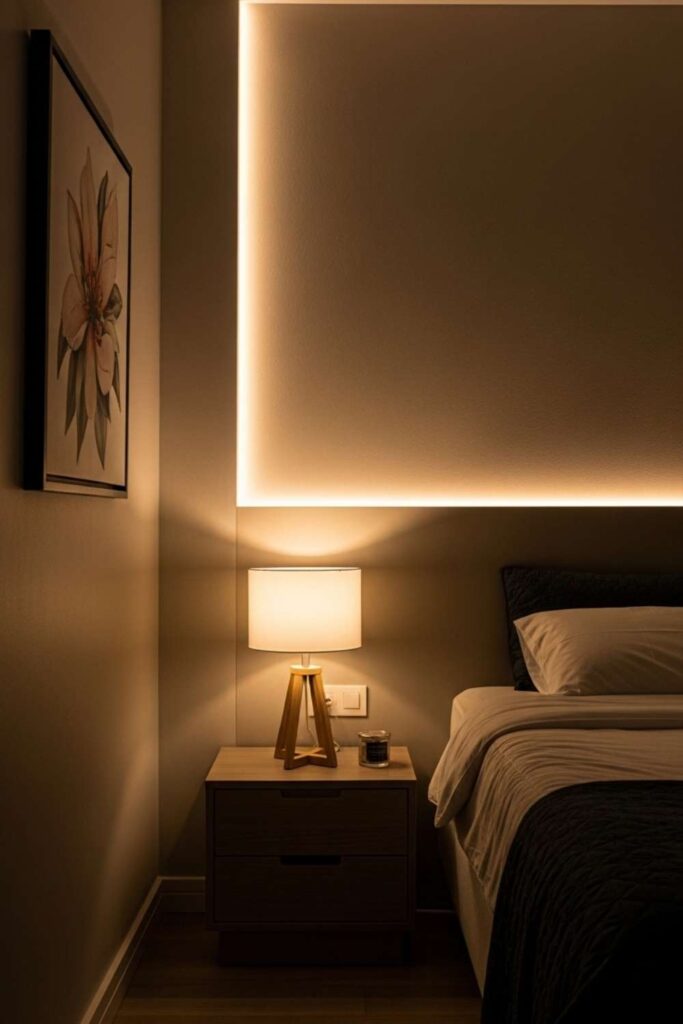
Lighting is one of the most underestimated elements in bedroom design. A single bright overhead light may be practical, but it often feels harsh and overstimulating, especially in the evening when the body is preparing for rest.
Layered lighting creates flexibility and emotional comfort. A soft bedside lamp, warm wall lighting, or indirect LED strips create a gentle glow that supports relaxation. These light sources reduce eye strain and signal the brain that it is time to unwind.
Good lighting also changes how textures and colours appear in the room. Soft light makes fabrics feel warmer, surfaces look smoother, and the overall environment feel calmer. The bedroom becomes a place where the day naturally slows down.
4. Reduce Visual Noise by Keeping Surfaces Clear
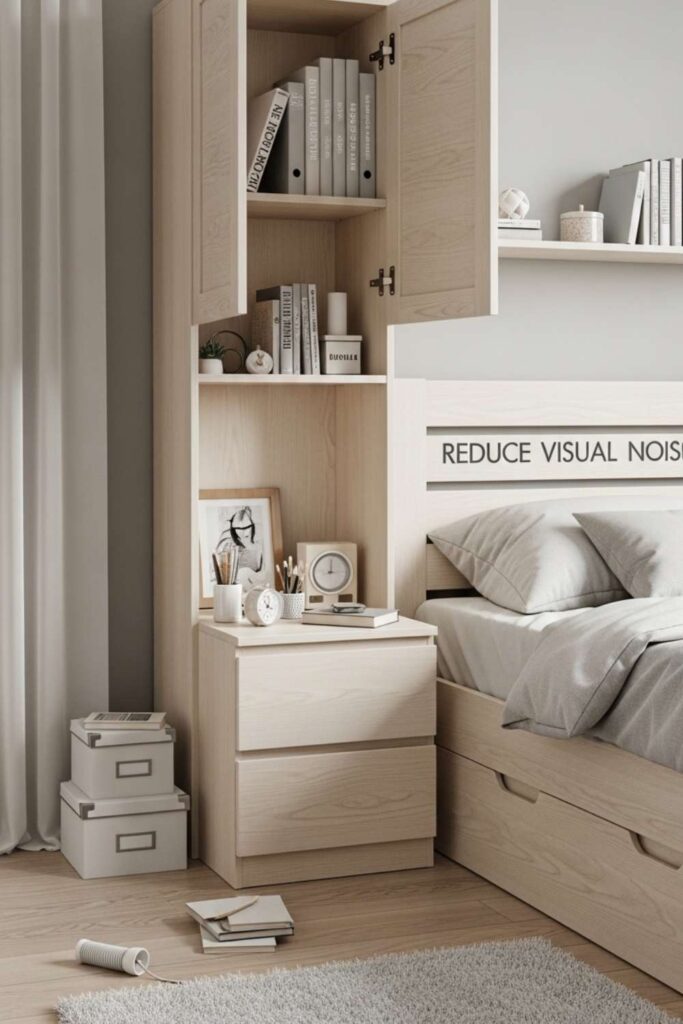
A cluttered environment constantly signals the brain to stay alert. Even small objects scattered on nightstands, shelves, or floors create visual noise that prevents the mind from settling.
In small bedrooms, organization becomes even more important because every object is more visible. Using drawers, storage boxes, or closed shelving allows daily items to stay accessible without being constantly in sight.
A clear surface does more than improve appearance. It changes how the space feels emotionally. When the room looks calm, the mind begins to mirror that calmness, making it easier to relax and sleep.
5. Invest in Bedding That Improves Comfort, Not Just Style

The bed is the center of the bedroom experience. While decor is important, comfort plays a far greater role in improving sleep quality. Breathable fabrics such as cotton or linen help regulate temperature and prevent discomfort during the night.
Layering bedding thoughtfully also improves both comfort and appearance. A soft throw, supportive pillows, and well-fitted sheets create a bed that feels inviting rather than merely decorative.
When the bed feels physically comfortable, the entire bedroom begins to feel more supportive. The body relaxes faster, and the mind associates the space with rest rather than distraction.
6. Add Soft Textures to Make the Room Feel Warmer
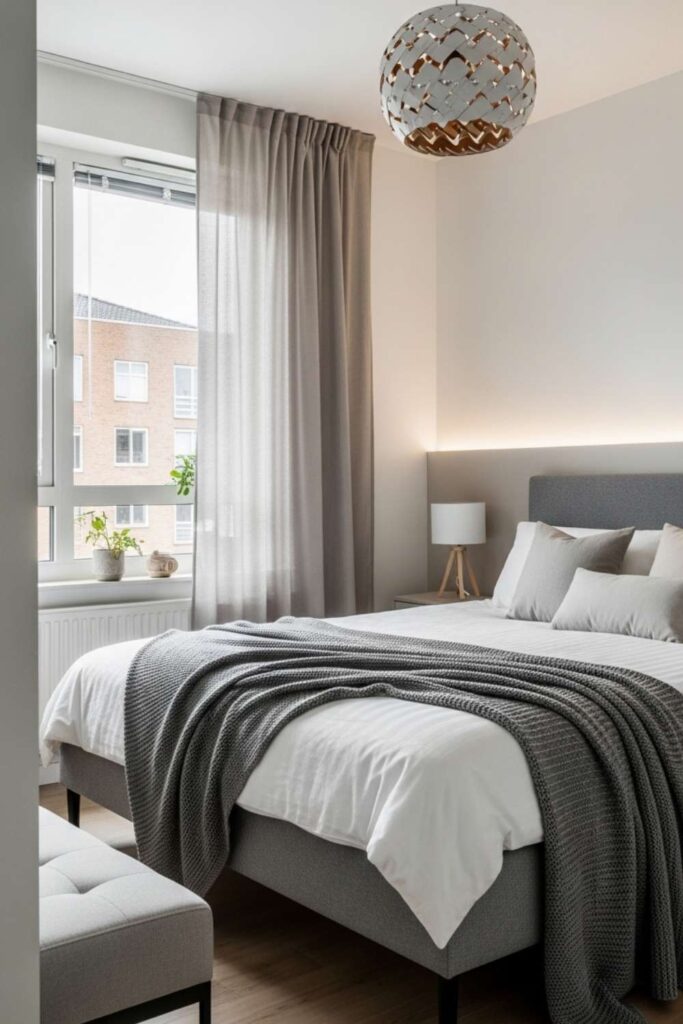
Texture plays a powerful role in making small bedrooms feel cozy rather than empty. Smooth surfaces alone can make a room feel cold, but adding a few soft textures changes the emotional tone completely.
A rug beside the bed, linen curtains, woven baskets, or upholstered headboards introduce warmth without increasing clutter. These elements create visual softness that makes the room feel welcoming.
Texture also improves acoustics by reducing echo, making the room quieter. A quieter room naturally feels more peaceful, which is essential for relaxation and sleep.
7. Allow Natural Light to Shape the Atmosphere
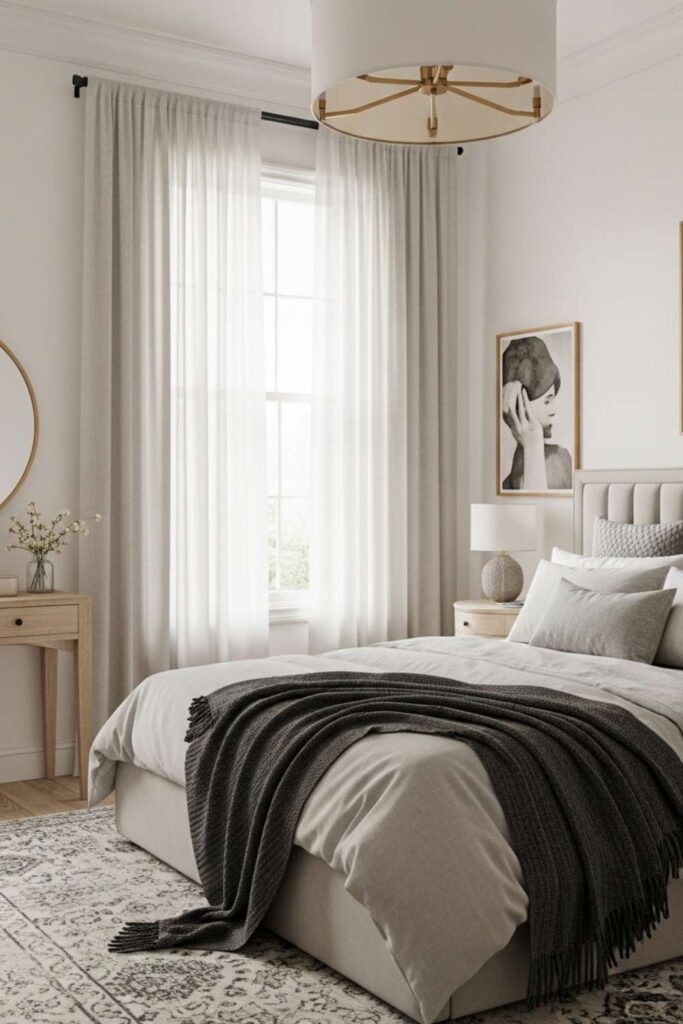
Natural light is one of the most valuable elements in any bedroom, especially small ones. Sunlight makes rooms feel larger, brighter, and healthier. It also helps regulate circadian rhythms, improving sleep cycles naturally.
Using sheer curtains instead of heavy drapes allows light to enter while maintaining privacy. This keeps the bedroom feeling open during the day and softly lit in the morning.
A room that receives natural light often feels more positive and energizing during the day while still being calm at night. This balance supports both productivity and rest.
8. Use Mirrors to Expand Space and Brightness
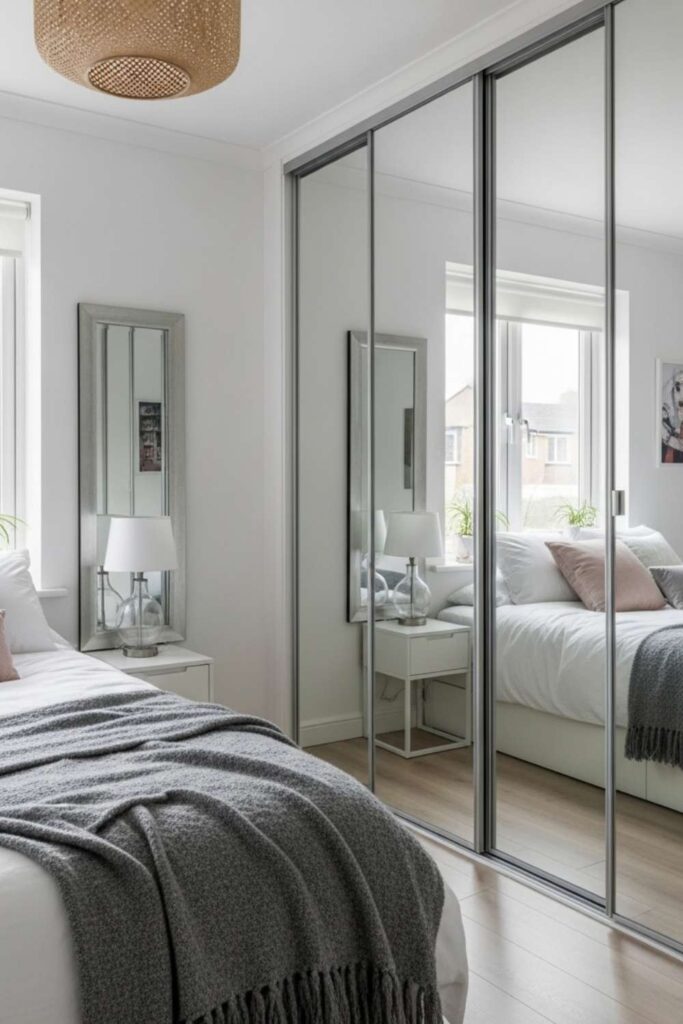
Mirrors are not only decorative elements but also powerful design tools. In small bedrooms, they reflect light and create the illusion of additional depth, making the space feel more open.
Placing a mirror opposite a window enhances brightness by spreading daylight throughout the room. Even a medium sized mirror can noticeably improve how spacious the room feels.
The sense of openness created by mirrors reduces the feeling of confinement, which helps the bedroom feel more breathable and comfortable.
9. Introduce Natural Elements for Emotional Balance
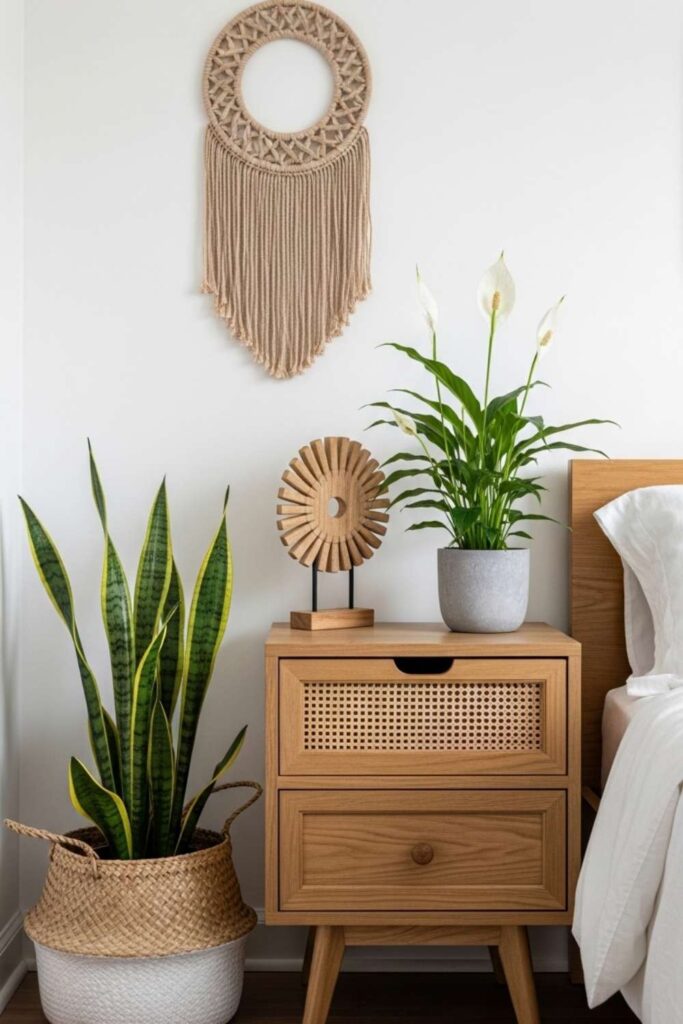
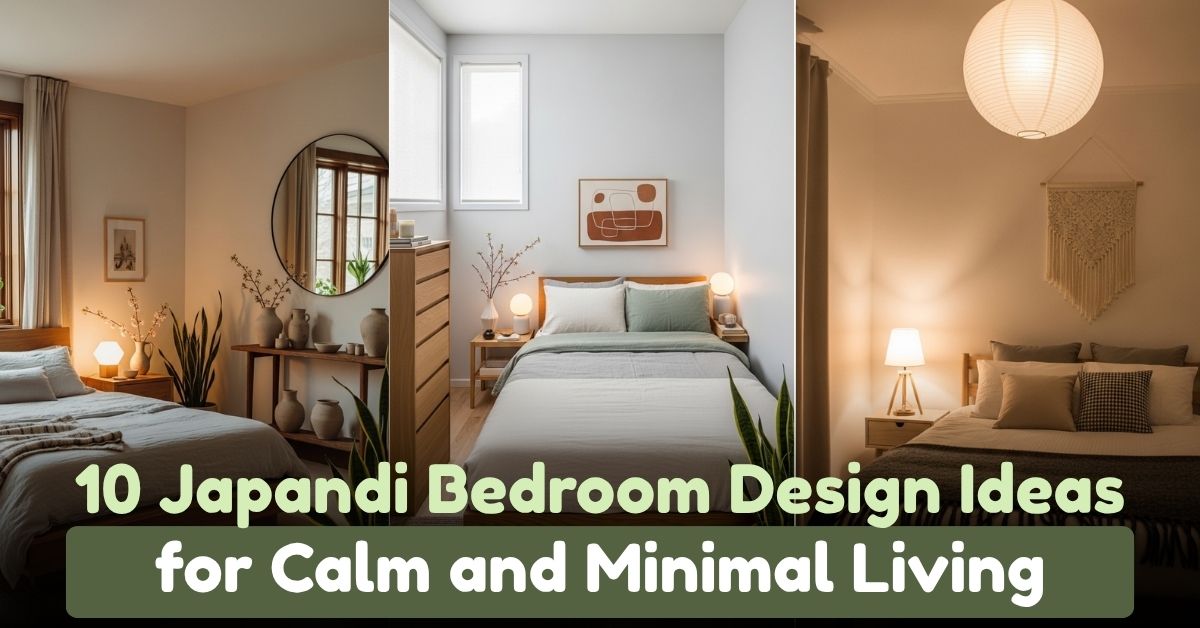
A touch of nature has a calming effect on the mind. A small indoor plant, wooden decor piece, or natural fibre basket adds warmth and grounding to the bedroom environment.
Plants such as snake plants or peace lilies are especially suitable for bedrooms because they require minimal care and contribute to cleaner air. Even one plant can change how the room feels emotionally.
Natural elements remind the brain of outdoor environments, which are associated with relaxation and restoration. This subtle connection improves the overall atmosphere of the bedroom.
Explore More: Click Here
10. Keep Personal Decor Meaningful but Minimal
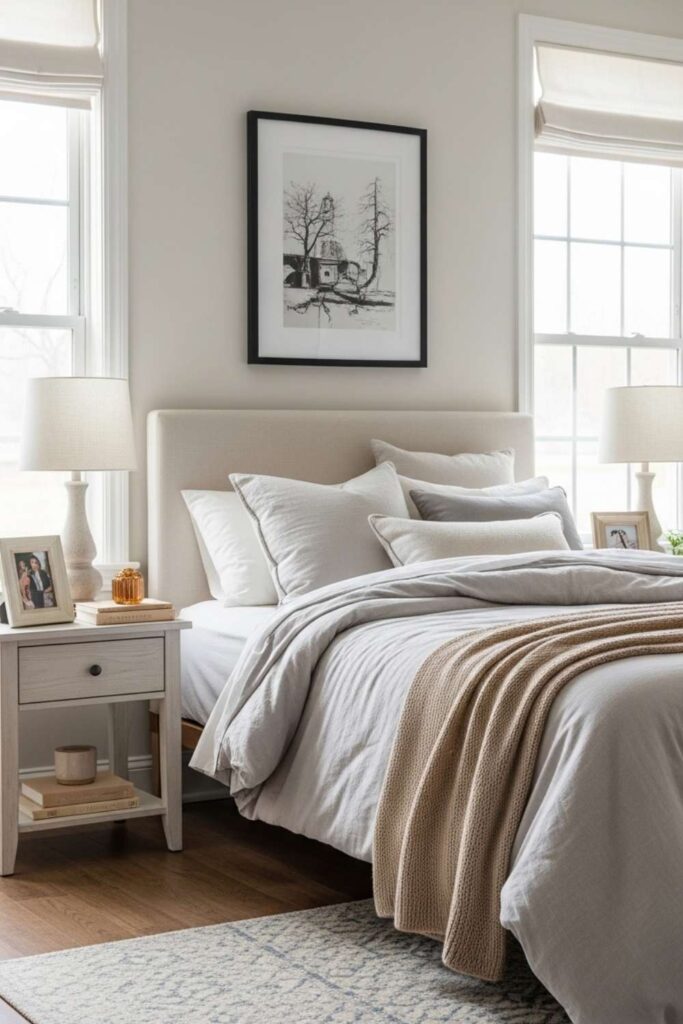
Personal touches make a bedroom feel emotionally comforting, but too many decorative items can overwhelm a small space. Choosing a few meaningful objects rather than many decorative pieces keeps the room balanced.
A framed photograph, a favourite book, or a small piece of artwork adds personality without creating clutter. These items make the bedroom feel human and personal rather than staged.
When decor is intentional and limited, the space remains calm while still reflecting the personality of the person who lives there.
Conclusion: 10 Small Bedroom Comfort Ideas
Designing a peaceful small bedroom is not about adding more elements but about choosing the right ones. Calm colours, soft lighting, organized storage, and comfortable textures work together to create an environment where rest comes naturally.
A well designed small bedroom often feels more intimate and supportive than a large one. The key is intention. Every piece, every colour, and every light source should contribute to comfort and emotional calm.
When a bedroom is designed with sleep and relaxation in mind, it becomes more than just a place to sleep. It becomes a space that restores energy, reduces stress, and supports everyday well being.
Read More: 15 Luxury Boutique Hotel Bedroom Ideas for an Intimate, High-End Stay Experience