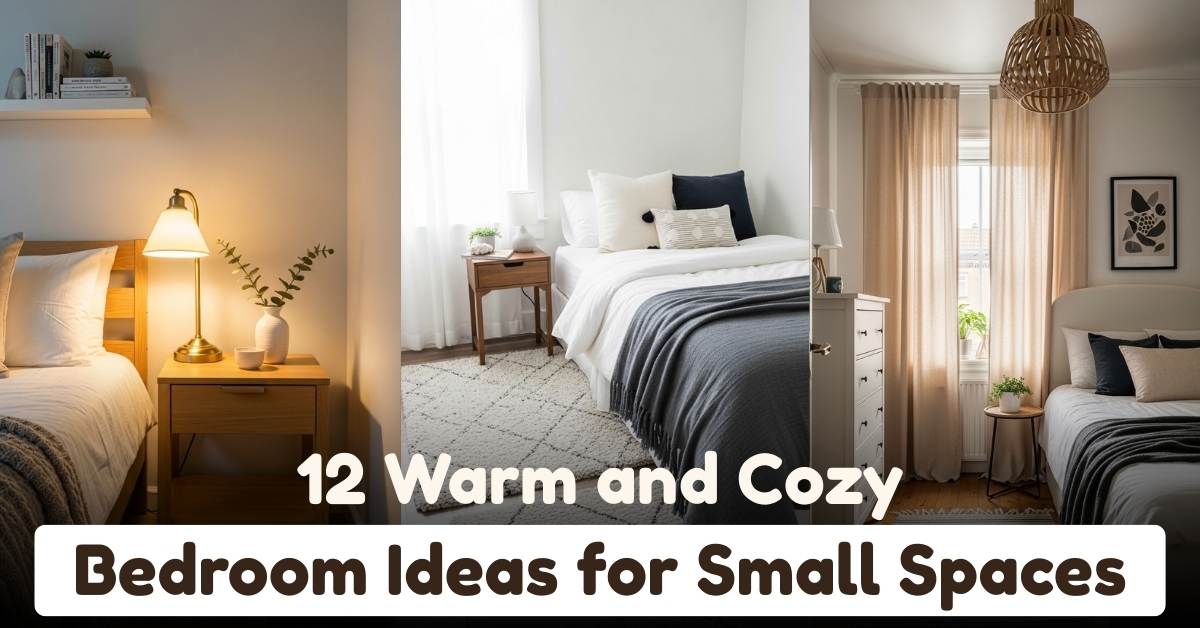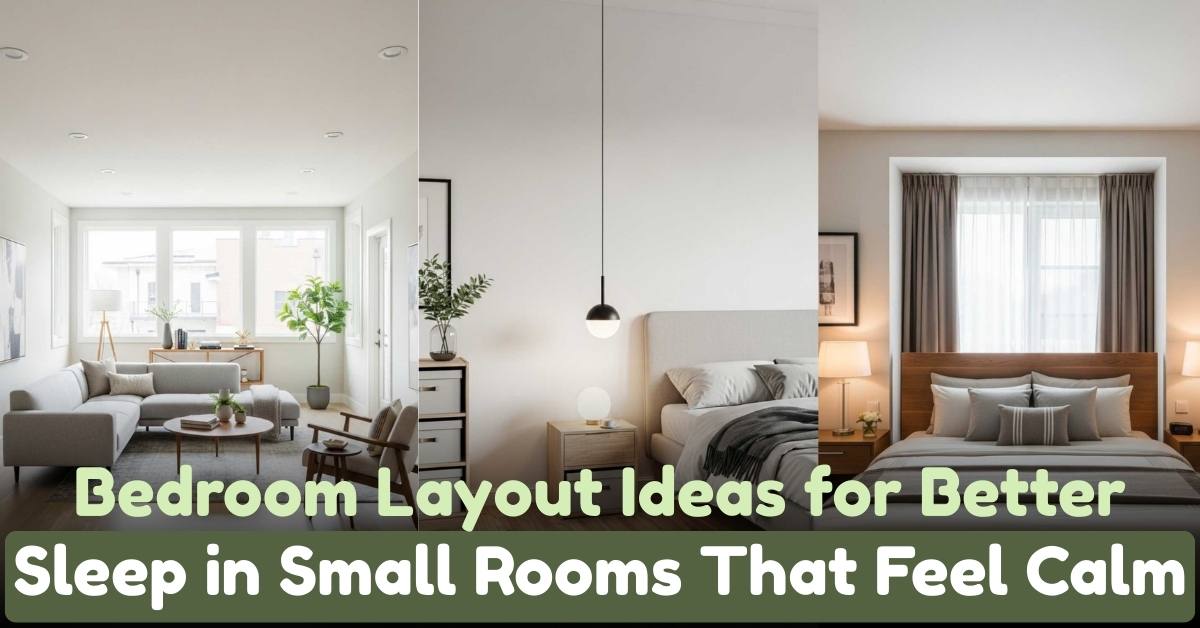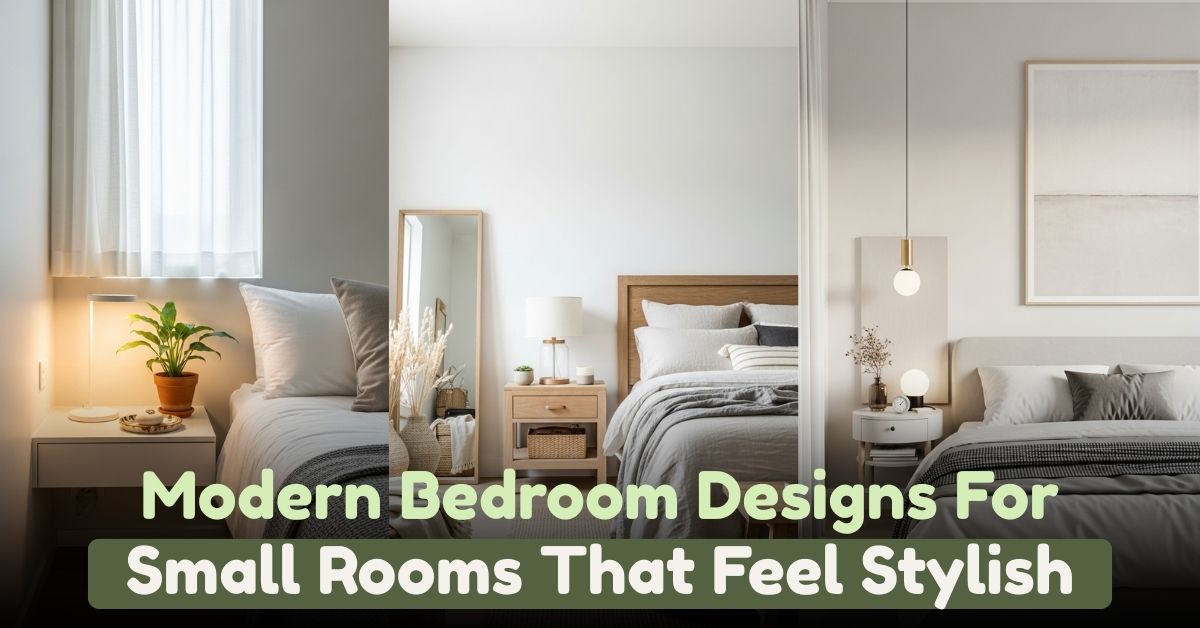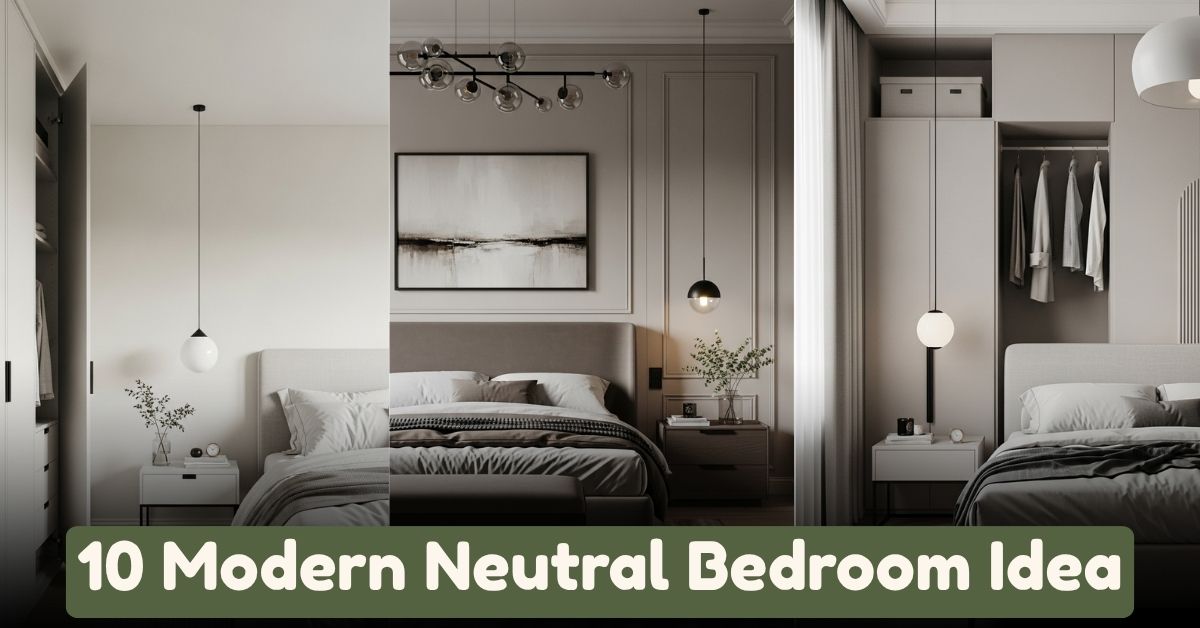
A small bedroom does not have to feel cramped or overwhelming. With thoughtful design choices, even the smallest room can become a place where the mind slows down and the body truly rests. The key is not filling the room with more items, but choosing the right elements that support calm and comfort.
In modern homes across the US, UK, and Europe, relaxing bedroom ideas for small rooms focus on simplicity, soft lighting, natural textures, and layouts that reduce visual noise. These design approaches help improve sleep quality while making a small space feel more open and balanced.
Below are ten carefully explained ideas that combine practicality with emotional comfort. Each idea focuses on creating a peaceful bedroom environment that supports better rest and daily relaxation.
Relaxing Bedroom Ideas for Small Rooms
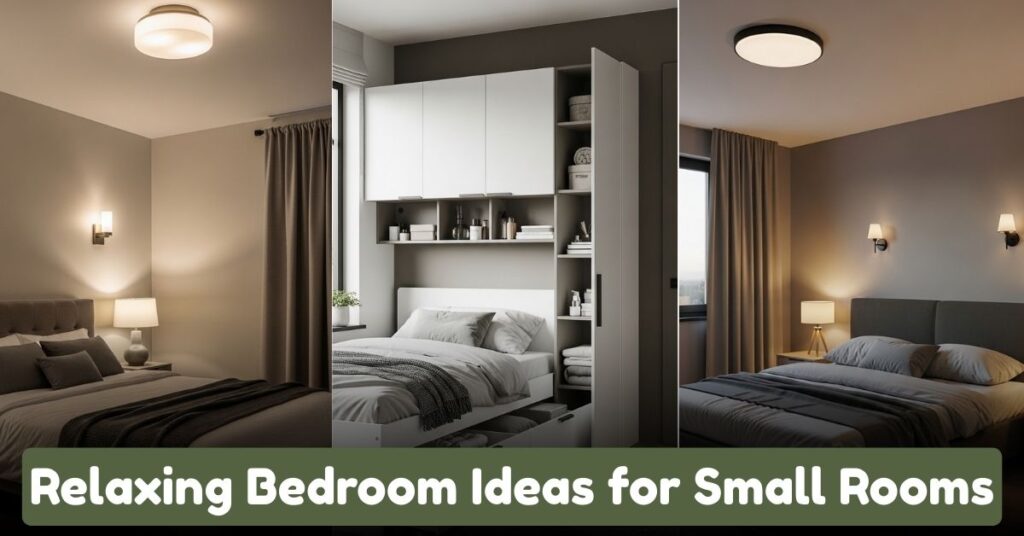
Table of Contents
1. Soft Neutral Color Palettes That Calm the Mind
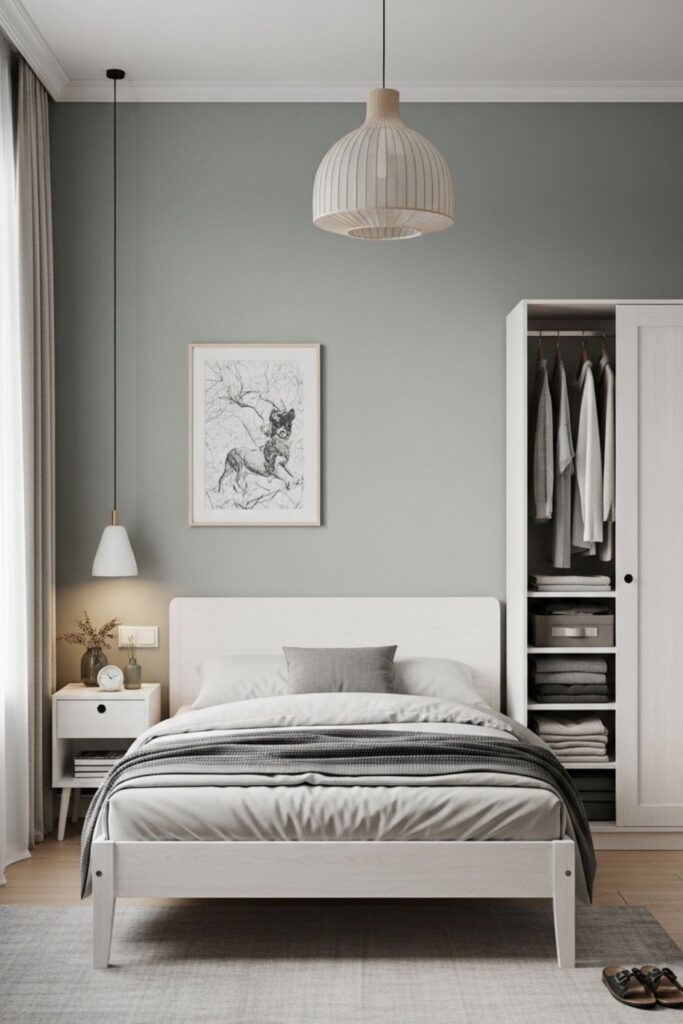
Soft colors are one of the most effective ways to make a small bedroom feel relaxing. Shades like warm white, light beige, pale grey, and muted earth tones create a stable visual environment that helps the mind settle. Bright or overly dark colors can feel heavy in a compact space, while gentle neutrals make the room feel open and breathable.
Neutral tones also reflect natural light more effectively, which makes small bedrooms appear larger. Walls, bedding, and curtains in similar color families create a seamless look that removes visual interruptions. This continuity helps the room feel peaceful rather than busy.
Another advantage of neutral palettes is flexibility. They allow you to change small decor elements like cushions or throws without redesigning the entire room. This makes the bedroom feel fresh while maintaining a calm and consistent atmosphere.
2. Minimal Furniture Layout for Visual Breathing Space

In small bedrooms, every piece of furniture affects how the room feels. A minimal layout ensures that the bed, storage, and essential pieces are placed in a way that allows movement and visual breathing space. The room should feel open, not crowded.
Choosing furniture with simple shapes and slim profiles helps reduce visual weight. Beds with clean frames, narrow nightstands, and compact wardrobes allow the room to function without feeling overfilled. The fewer unnecessary items present, the calmer the space becomes.
A minimal layout also improves daily comfort. When pathways remain clear and surfaces stay uncluttered, the bedroom feels easier to maintain. This sense of order plays a direct role in creating a peaceful and relaxing environment.
3. Layered Lighting for a Calm Evening Atmosphere
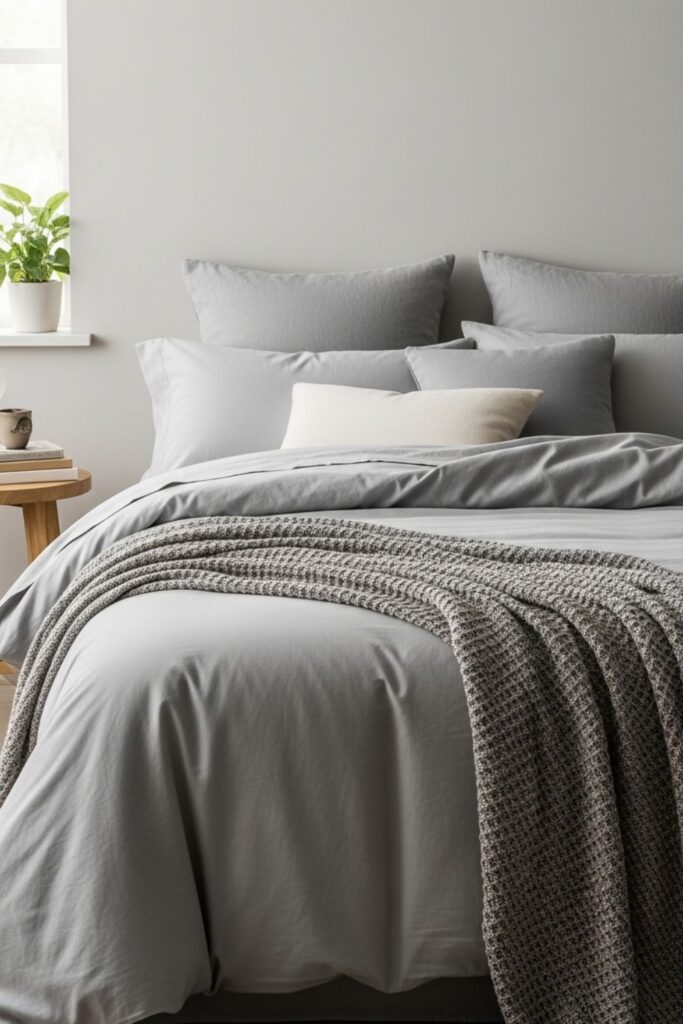
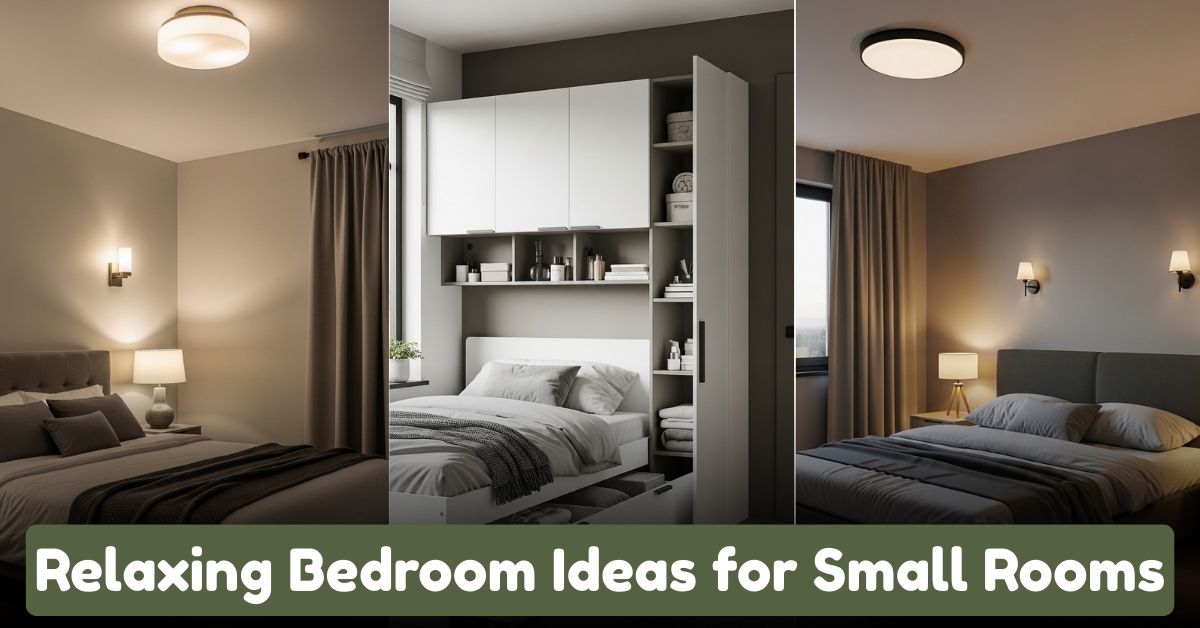
Lighting influences mood more than most people realize. Harsh ceiling lights often make bedrooms feel clinical rather than restful. Layered lighting creates a softer environment that supports relaxation, especially in the evening.
Combining a soft ceiling light with bedside lamps or wall sconces allows the room to transition from bright daytime use to gentle nighttime calm. Warm light tones are especially helpful in reducing eye strain and preparing the body for sleep.
Soft lighting also adds depth to small bedrooms. Instead of flooding the room with one strong source, multiple gentle lights create a balanced glow that feels comfortable and inviting.
4. Comfortable Bedding That Encourages Deep Rest
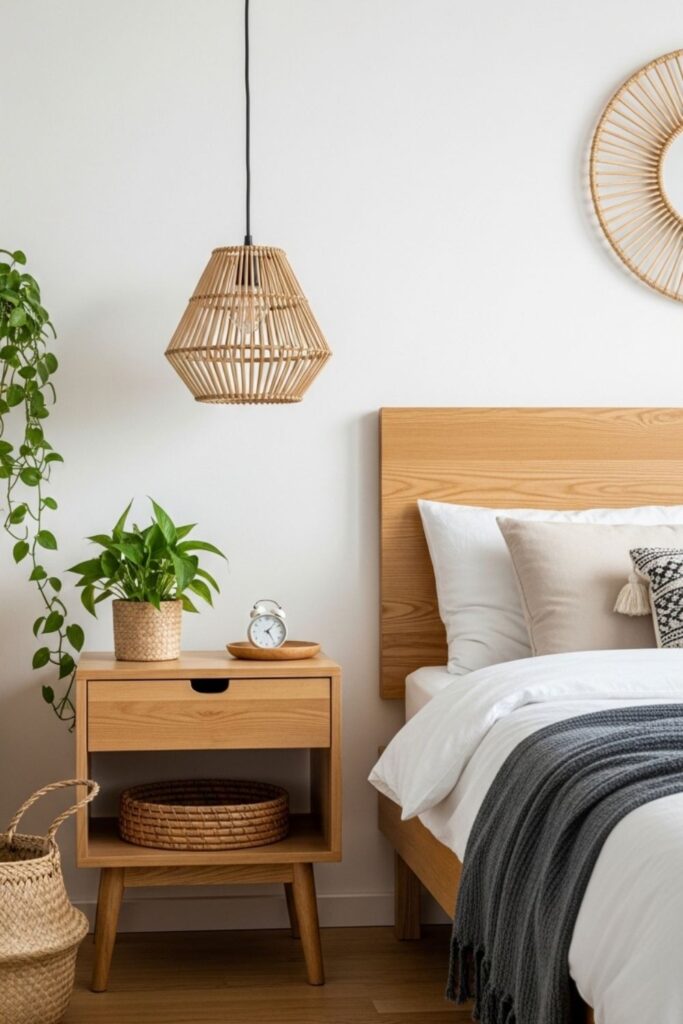
The bed is the heart of any bedroom, and in small rooms it becomes even more important. High-quality bedding in breathable fabrics like cotton or linen improves comfort and contributes to better sleep quality. Soft textures create a sense of warmth and security.
Layering pillows, blankets, and throws in calm tones adds visual softness without making the room feel crowded. The goal is comfort rather than decoration, allowing the bed to feel inviting at any time of day.
A well-made bed also improves how the entire room feels. Even in a very small bedroom, a tidy and comfortable bed can make the space feel organized and peaceful.
5. Hidden Storage That Reduces Mental Clutter

Clutter is one of the biggest barriers to relaxation. When surfaces are crowded, the mind struggles to settle. Smart storage solutions help keep belongings out of sight while remaining easy to access.
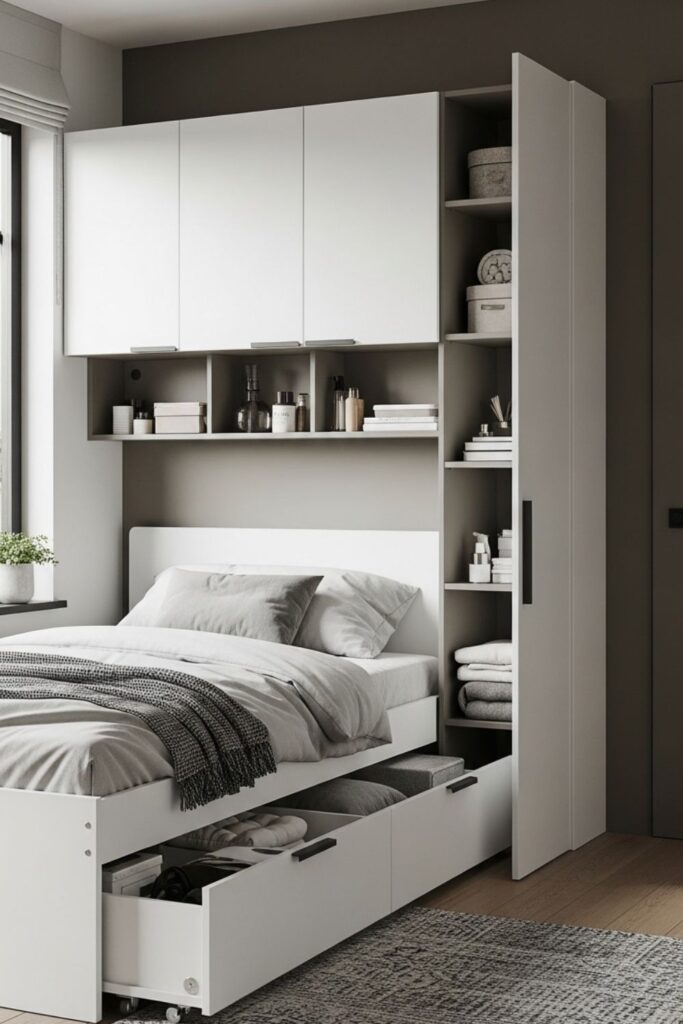
Beds with storage drawers, wall-mounted shelves, and closed cabinets are especially effective in small rooms. These options allow necessary items to be stored neatly without taking up additional floor space.
When the bedroom stays visually clear, the atmosphere naturally becomes calmer. A clean and organized environment supports better focus, deeper rest, and reduced stress.
6. Natural Elements That Bring Quiet Comfort

Natural materials help bedrooms feel grounded and calm. Wood textures, cotton fabrics, woven baskets, and small indoor plants introduce warmth without overwhelming the space.
Even one small plant on a shelf or bedside table can change how a room feels. Greenery softens the environment and creates a subtle connection with nature, which has been shown to reduce stress levels.
Natural elements also age beautifully. Unlike overly trendy decor, organic materials remain timeless and continue to feel comforting over the years.
7. Mirrors That Expand Light and Space
Mirrors are one of the most practical tools in small bedroom design. When placed thoughtfully, they reflect both natural and artificial light, making the room feel brighter and more spacious.
A full-length mirror leaning against a wall or a simple framed mirror above a dresser can visually double the sense of space. The effect is subtle but powerful, especially in compact apartments.
Mirrors also contribute to a calm aesthetic when used sparingly. Choosing simple frames or frameless designs ensures they enhance the room without becoming distracting.
8. Curtains That Soften the Entire Room

Window treatments play a quiet but important role in bedroom comfort. Lightweight curtains in soft colors filter daylight gently, creating a peaceful glow rather than harsh brightness.
Floor-length curtains also make ceilings appear higher, which helps small bedrooms feel more spacious. The flowing fabric adds softness and movement, balancing the solid shapes of furniture.
In the evening, curtains create a sense of privacy and enclosure. This subtle psychological effect helps the room feel more secure and restful.
9. Personal Details That Feel Meaningful, Not Busy
A relaxing bedroom should reflect personality, but in a gentle way. A few meaningful items such as a framed photo, a favorite book, or a simple piece of art can add warmth without creating clutter.
The key is restraint. Instead of filling walls or surfaces, choose a few objects that truly matter. This approach keeps the space emotionally comforting rather than visually overwhelming.
Meaningful decor also strengthens the feeling of retreat. The bedroom becomes a personal space rather than just another room in the home.
10. A Layout That Supports Better Sleep Habits
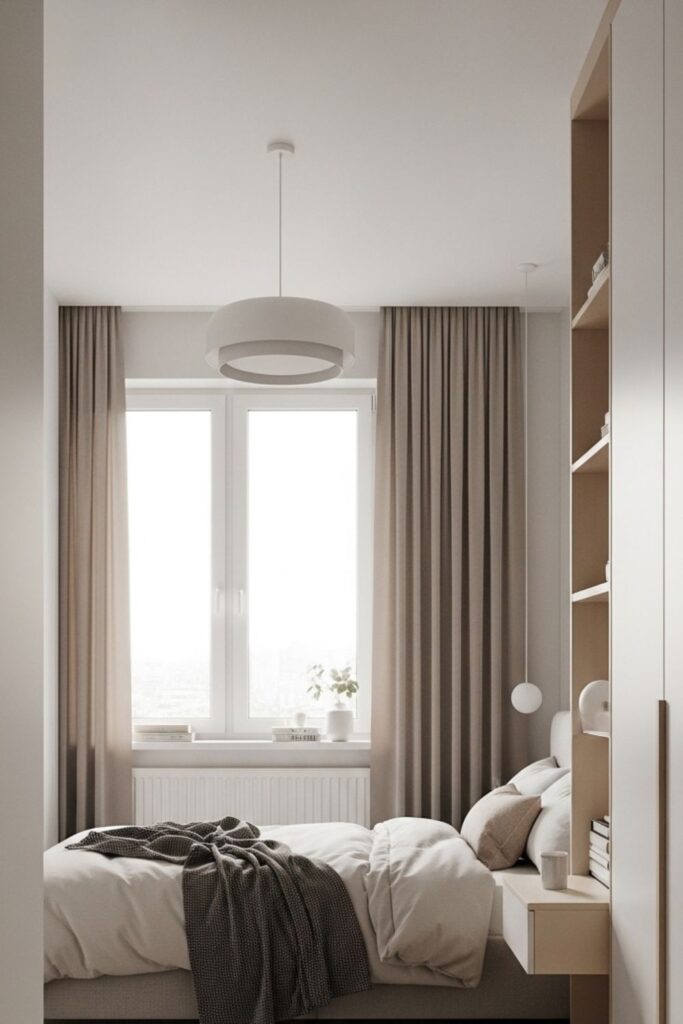
The arrangement of furniture influences how the bedroom functions. Keeping the bed positioned where it receives natural light during the day but remains dark at night helps regulate sleep cycles.
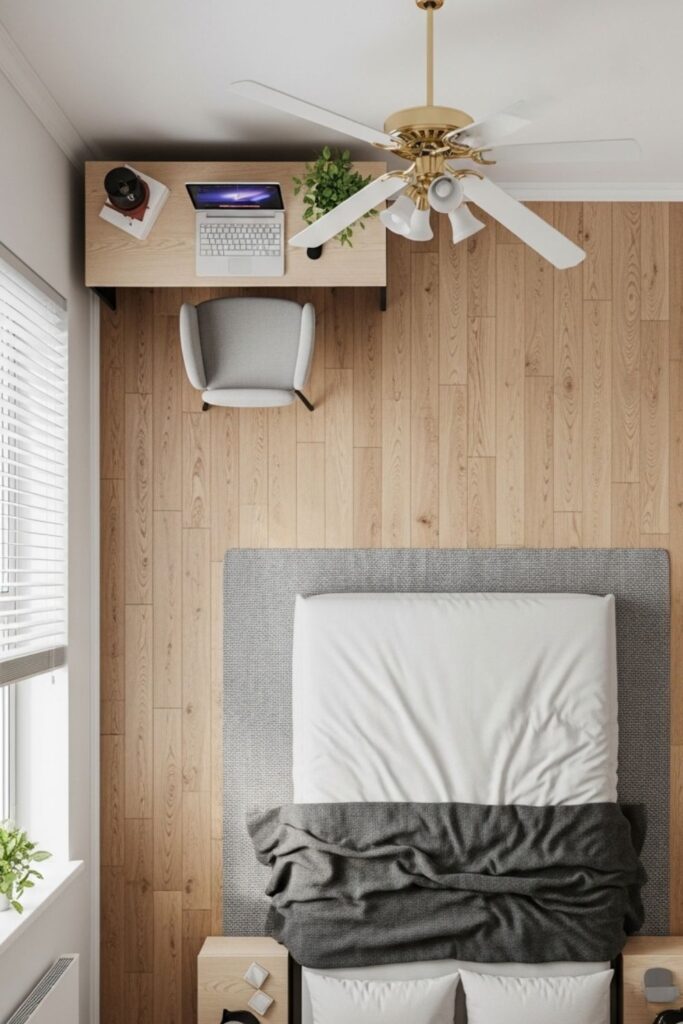
Avoid placing work desks directly beside the bed if possible. Separating sleep and work areas, even slightly, helps the mind associate the bed with rest rather than activity.
Good layout design also ensures airflow, lighting balance, and easy movement. These practical details quietly improve comfort and make the room feel naturally relaxing.
Conclusion: Relaxing Bedroom Ideas for Small Rooms
Relaxing bedroom ideas for small rooms are not about adding more decor. They are about removing distractions, choosing calming materials, and designing a space that supports rest and emotional comfort.
By focusing on soft colors, thoughtful lighting, minimal furniture, and smart storage, even a very small bedroom can feel spacious and peaceful. The goal is not perfection, but creating a space where you feel calm the moment you enter.
A well-designed small bedroom does more than look good. It improves sleep, reduces stress, and creates a daily retreat that supports both mind and body.
Read More: 10 Cozy Bedroom Ideas for Small Rooms That Feel Warm, Calm, and Inviting