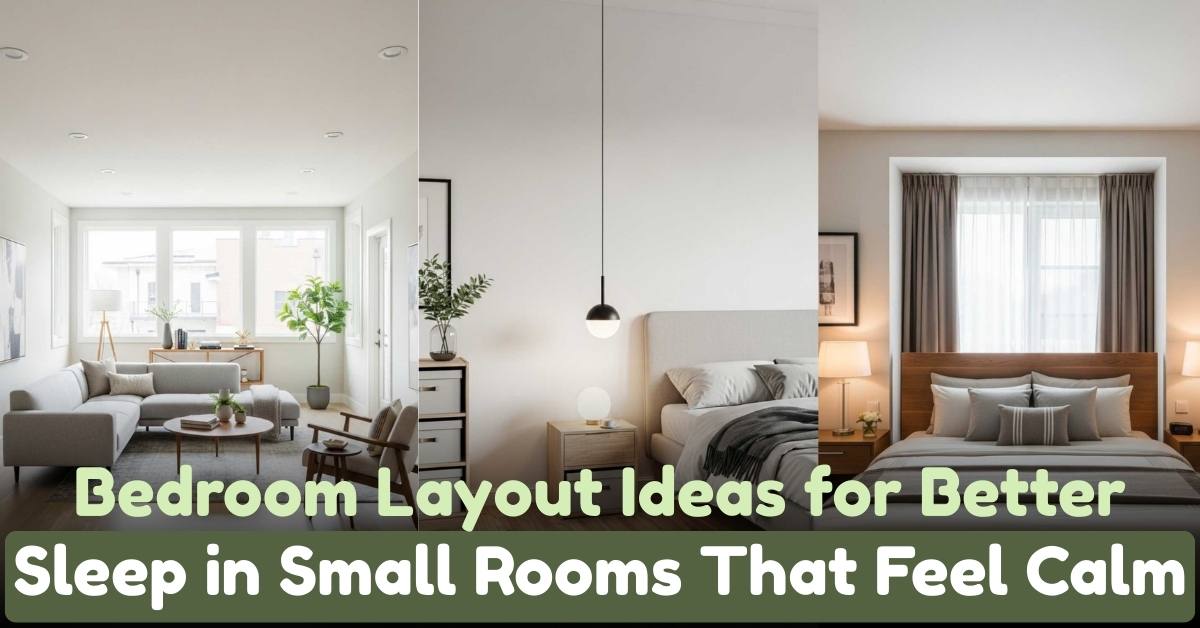
A good night’s sleep is often influenced by more than just the mattress. The way a bedroom is arranged plays a quiet but powerful role in relaxation, comfort, and mental calm. In small rooms especially, layout decisions determine whether the space feels peaceful or crowded.
Modern interior design trends in the US, UK, and other Tier 1 countries are moving toward intentional bedroom layouts that support sleep quality. Clean pathways, balanced furniture placement, and soft visual flow help the mind unwind naturally. When a bedroom feels organized and calm, falling asleep becomes easier and waking up feels more refreshing.
Below are carefully designed bedroom layout ideas for better sleep that focus on comfort, space optimization, and emotional calm. Each idea is practical, realistic, and suitable for small bedrooms or apartments.
Bedroom Layout Ideas for Better Sleep
Table of Contents
1. Centered Bed Layout for Visual Balance
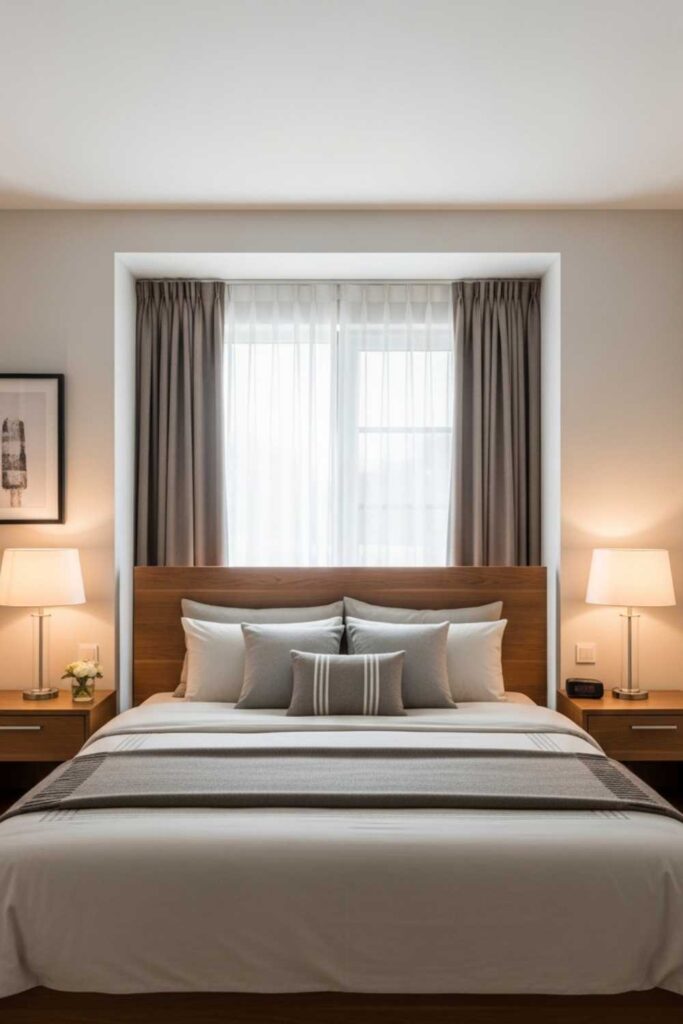
A centered bed layout is one of the most effective bedroom layout ideas for better sleep because it creates symmetry. When the bed is positioned in the middle of the main wall, the room feels stable and visually balanced. This sense of order helps the mind relax naturally at night.
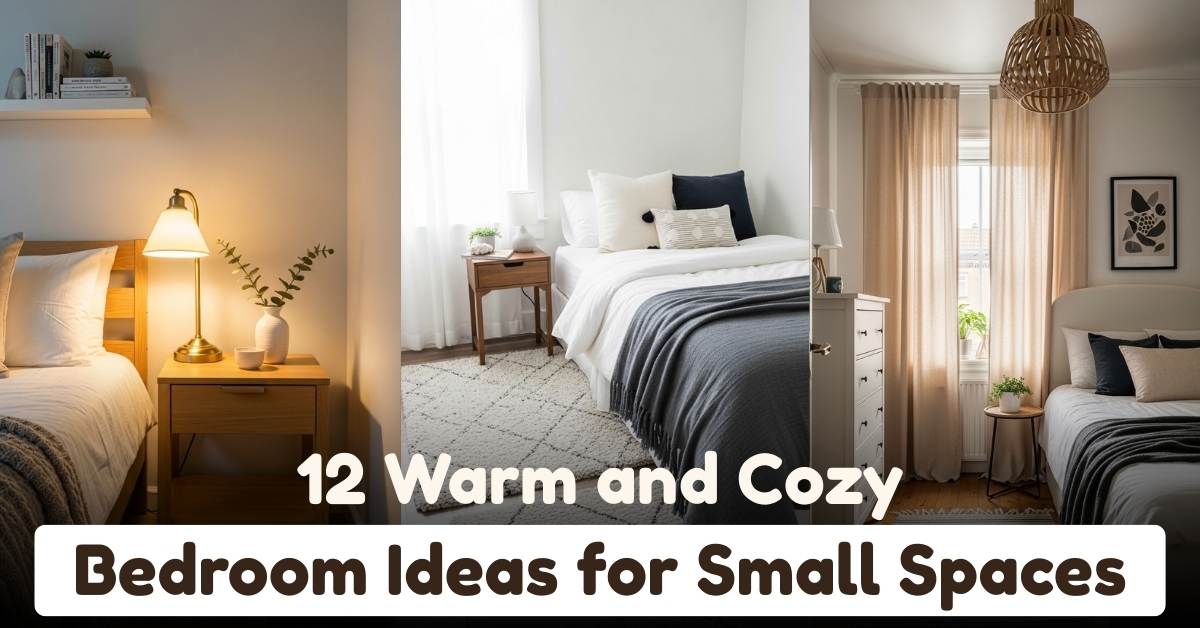
Leaving equal space on both sides of the bed improves movement and prevents the room from feeling tight. Even in small bedrooms, narrow bedside tables or floating shelves can maintain symmetry without taking extra floor space.
This layout is widely used in modern bedroom layout ideas because it creates calm visual flow. The brain responds positively to balanced spaces, which makes this arrangement especially beneficial for sleep quality.
2. Bed Positioned Away From the Door
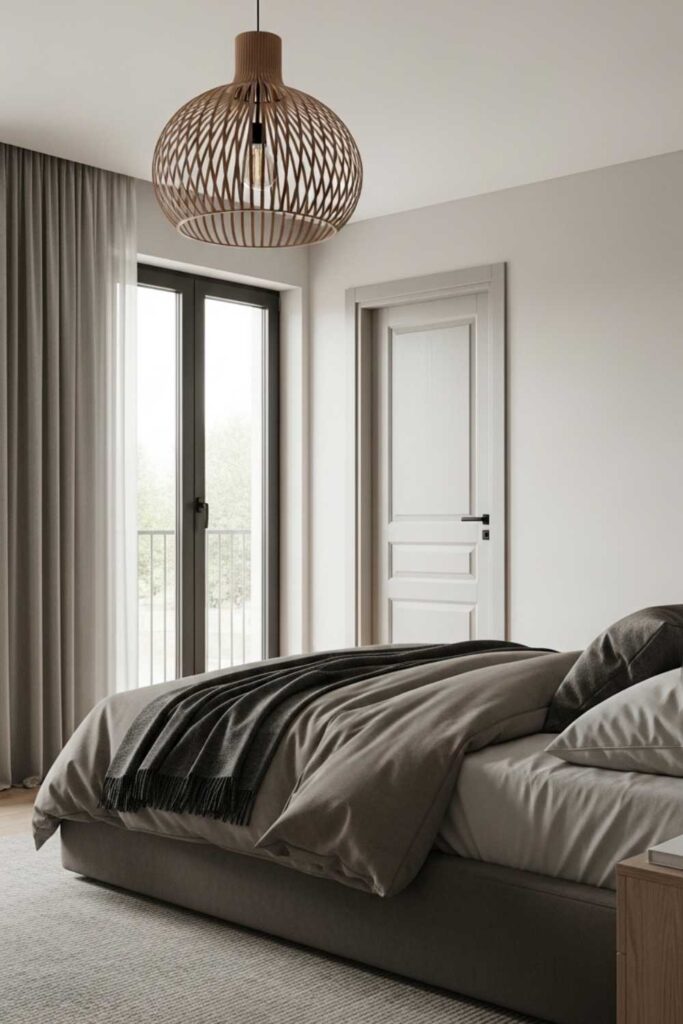
Placing the bed slightly away from the door improves comfort and psychological relaxation. Many designers recommend keeping the bed in a position where the door is visible but not directly aligned with the sleeping area.
This arrangement creates a feeling of security and calm. When the bed is not directly facing the entrance, the room feels more private and restful, which supports deeper sleep.
In small bedroom layout ideas for better sleep, this simple shift in placement often makes a noticeable difference. The room feels more intentional, and distractions from movement near the door are reduced.
3. Minimal Furniture Layout for Clear Space
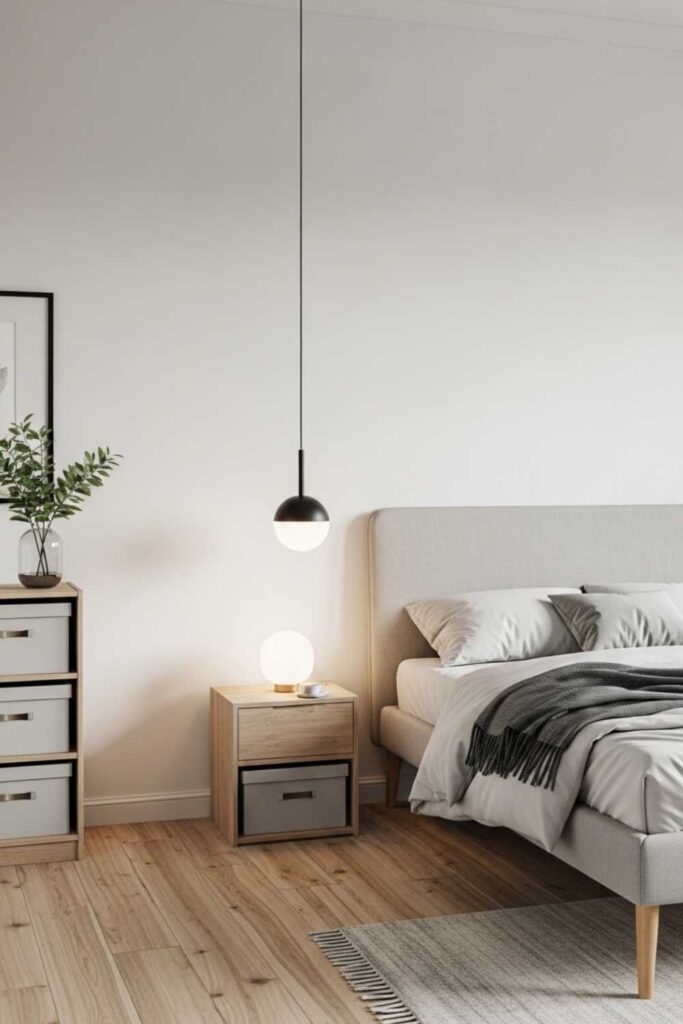
Too much furniture can make a bedroom feel heavy and overstimulating. A minimal layout focuses only on essential pieces such as a bed, small storage, and soft lighting.
Keeping the floor area open improves air circulation and makes the room visually lighter. This openness helps reduce mental clutter, which plays an important role in relaxation before sleep.
Modern bedroom layout ideas often prioritize negative space. Empty space is not wasted space. It allows the eyes to rest and helps the brain associate the room with calmness.
4. Window-Focused Layout for Natural Light
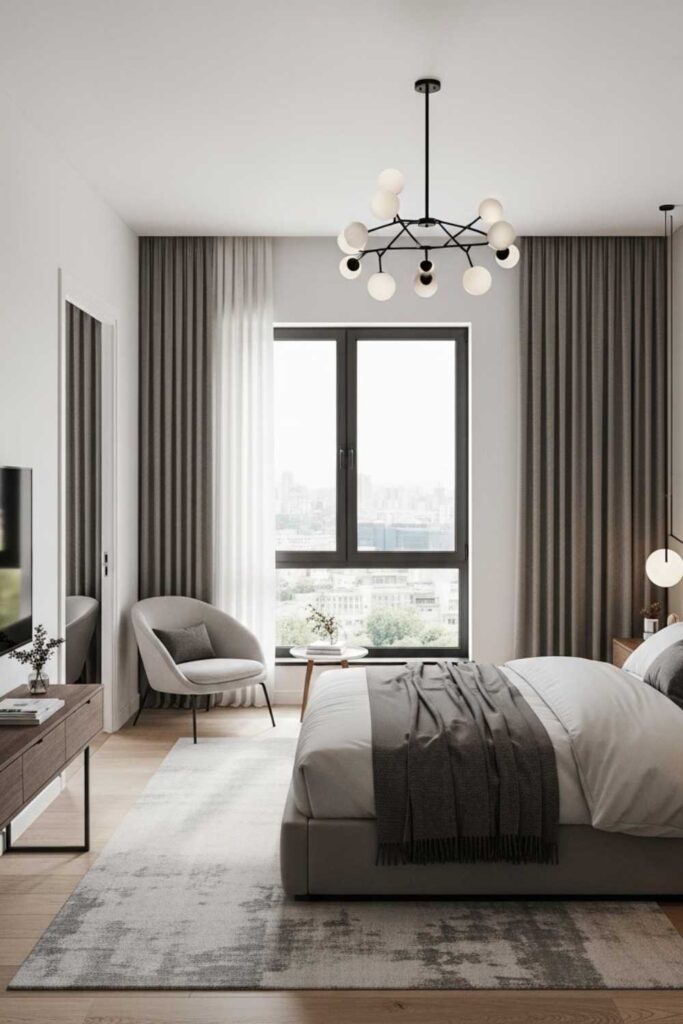
Positioning the bed or seating area near natural light improves mood and sleep cycles. Exposure to daylight helps regulate circadian rhythms, making it easier to fall asleep at night.
In small rooms, placing the bed perpendicular to a window often works well. This allows light to enter without shining directly into the eyes early in the morning.
This approach is common in modern bedroom layout ideas because natural light makes rooms feel larger and healthier. A brighter daytime environment often leads to better nighttime sleep.
5. Soft Corner Layout for Small Rooms
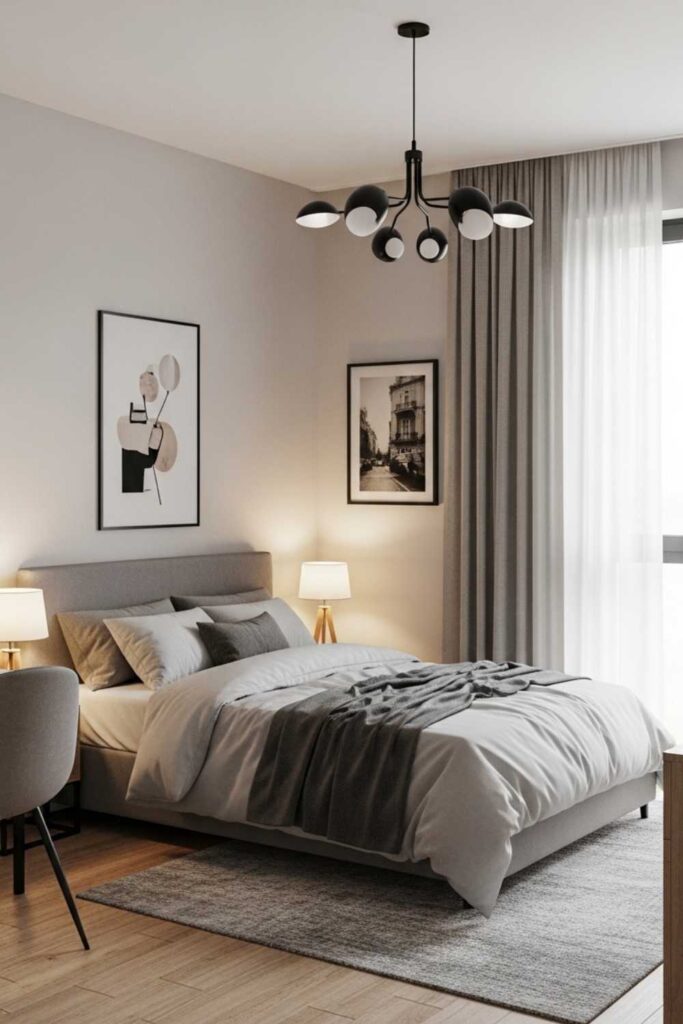
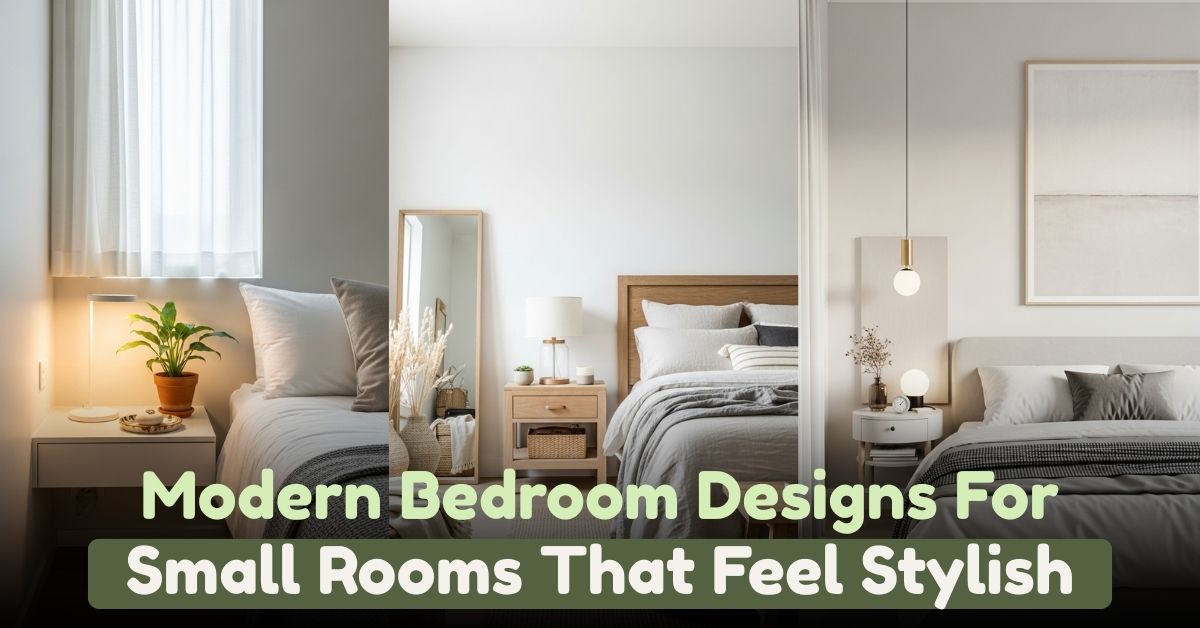
Using corners effectively can transform a small bedroom layout. Placing the bed slightly toward a corner frees up walking space and makes the room feel more open.
This layout works especially well in studio apartments or compact bedrooms where every inch matters. A corner bed can still feel cozy when balanced with soft lighting and neutral bedding.
Small bedroom layout ideas for better sleep often use this method to maximize comfort without overcrowding. The room feels efficient yet calm, which is ideal for rest.
Read More: Luxury Bedroom Design for Deep Rest and Everyday Comfort
Read More: 15 Luxury Boutique Hotel Bedroom Ideas for an Intimate, High-End Stay Experience
6. Floating Furniture Layout for Spacious Feel
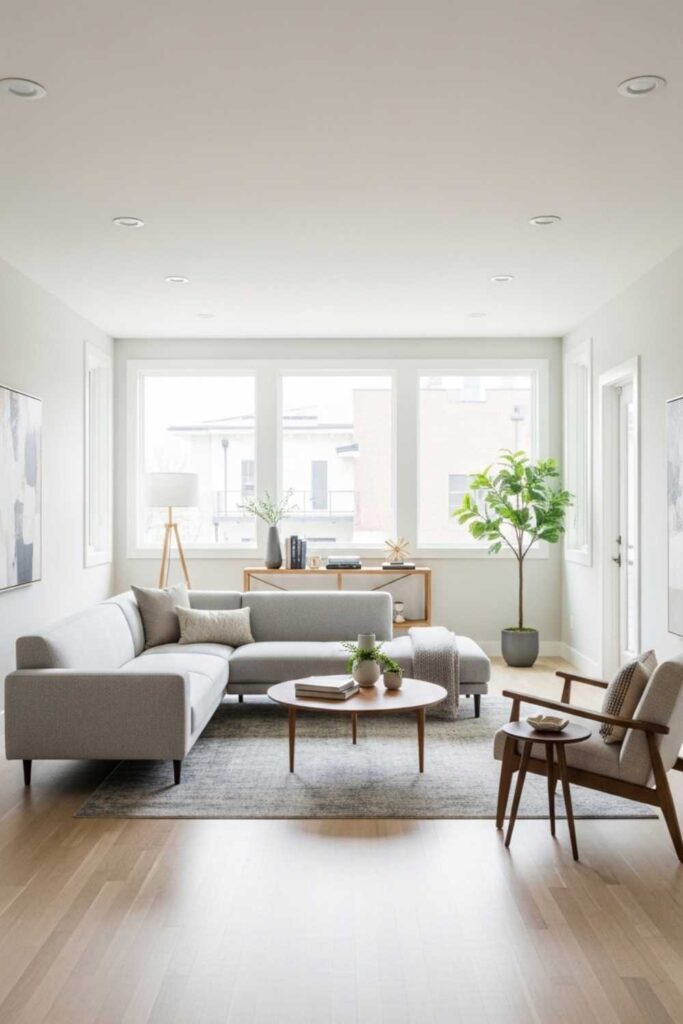
Floating furniture means placing certain pieces slightly away from walls instead of pushing everything to the edges. This technique improves visual flow and makes the room feel thoughtfully arranged.
For example, a small bench at the foot of the bed or a narrow console behind the bed can create depth. These elements add function without making the room feel cramped.
Modern bedroom layout ideas use floating furniture to avoid flat, crowded walls. The result is a bedroom that feels airy, balanced, and comfortable for sleeping.
7. Zoning Layout for Relaxation and Sleep
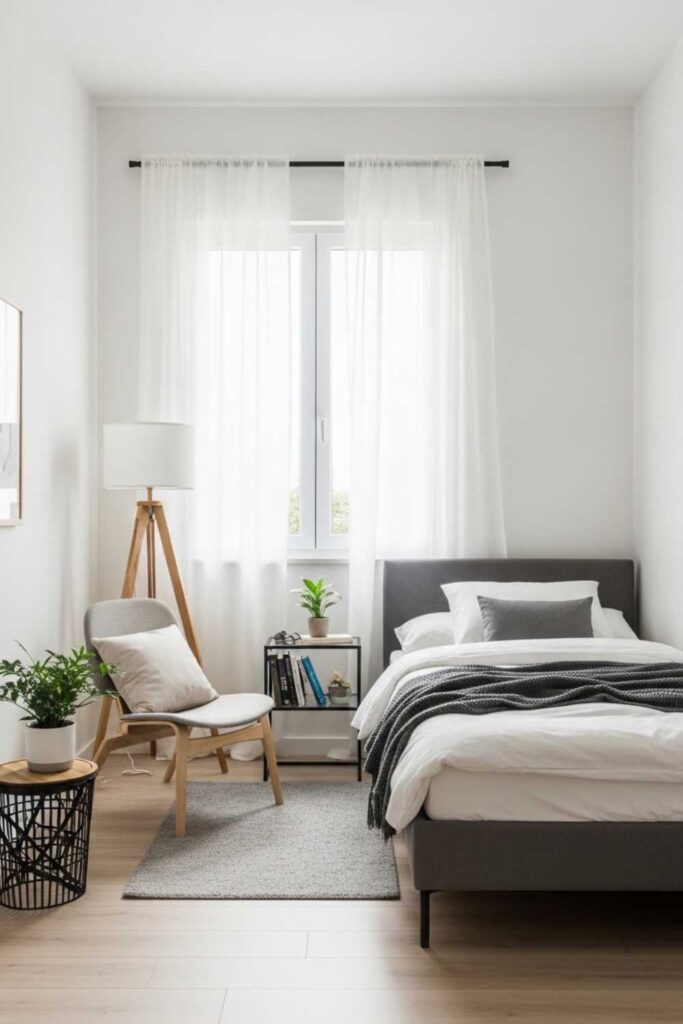
Even small bedrooms benefit from subtle zoning. Creating a small reading corner or relaxation area helps separate sleeping from other activities.
A simple chair, floor lamp, or small rug can visually define this zone without taking much space. This separation signals the brain that the bed is only for rest, which improves sleep quality.
Bedroom environment for good sleep often depends on mental cues. When the bed is used only for sleeping, the body naturally associates it with rest.
8. Storage-Focused Layout to Reduce Clutter
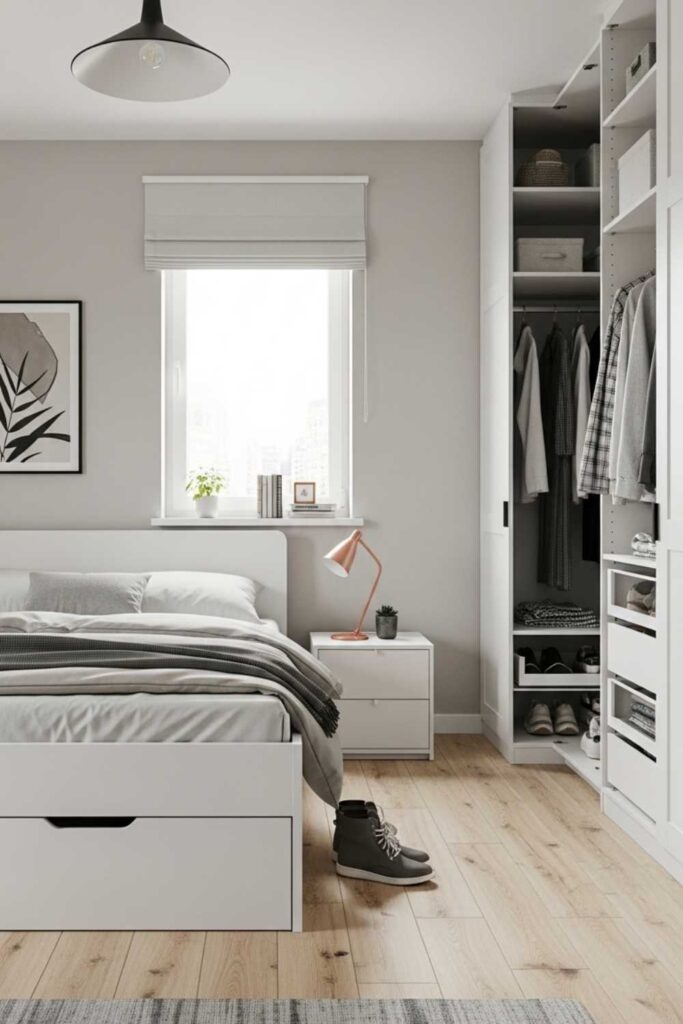
Clutter is one of the biggest causes of visual stress in bedrooms. A layout that prioritizes hidden storage keeps the room peaceful and organized.
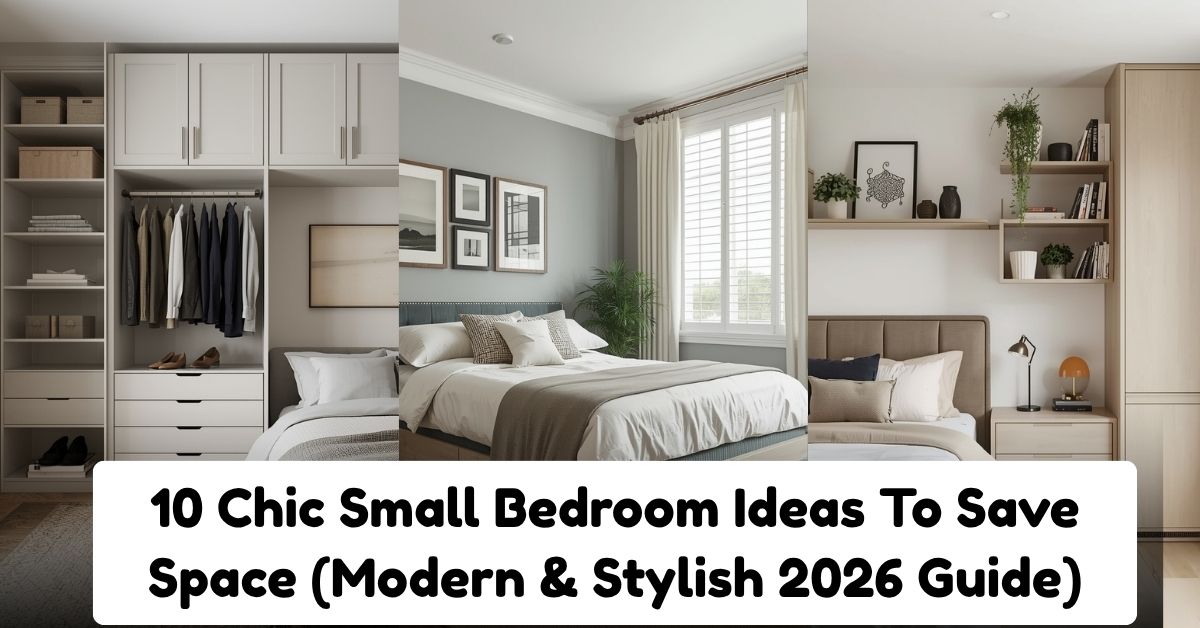
Under-bed drawers, wall-mounted shelves, and built-in wardrobes help maintain clean surfaces. When fewer items are visible, the room feels calmer and more spacious.
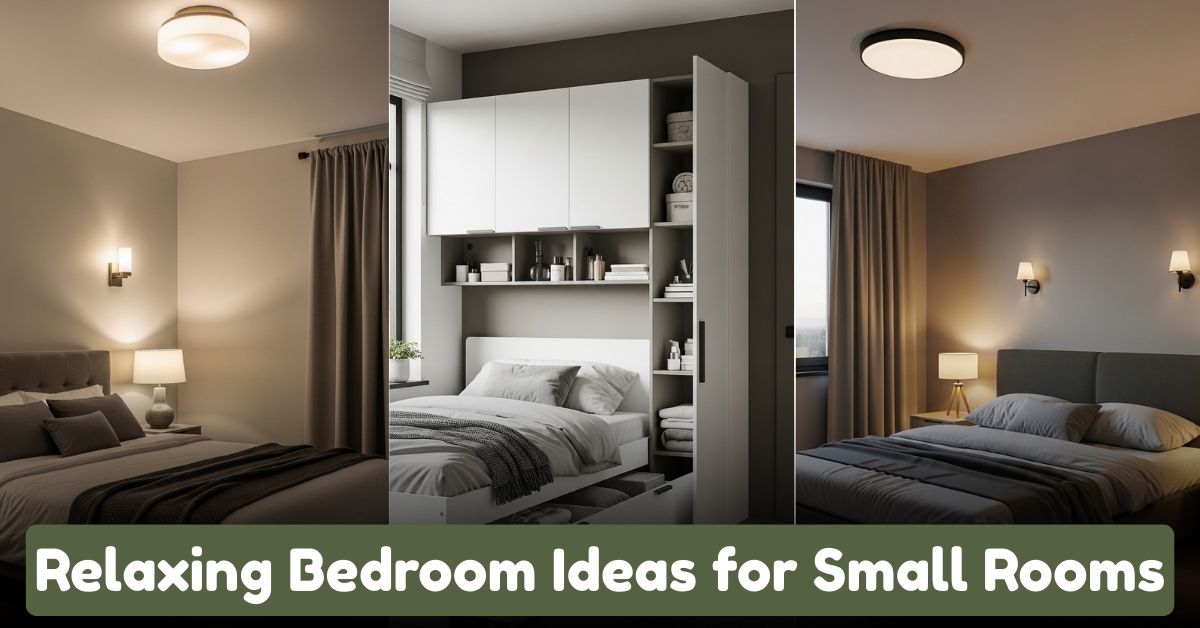
Relaxing bedroom ideas for small rooms often rely on storage solutions that disappear into the design. A clutter-free space supports better sleep and a clearer mind.
9. Neutral Color Layout for Mental Calm
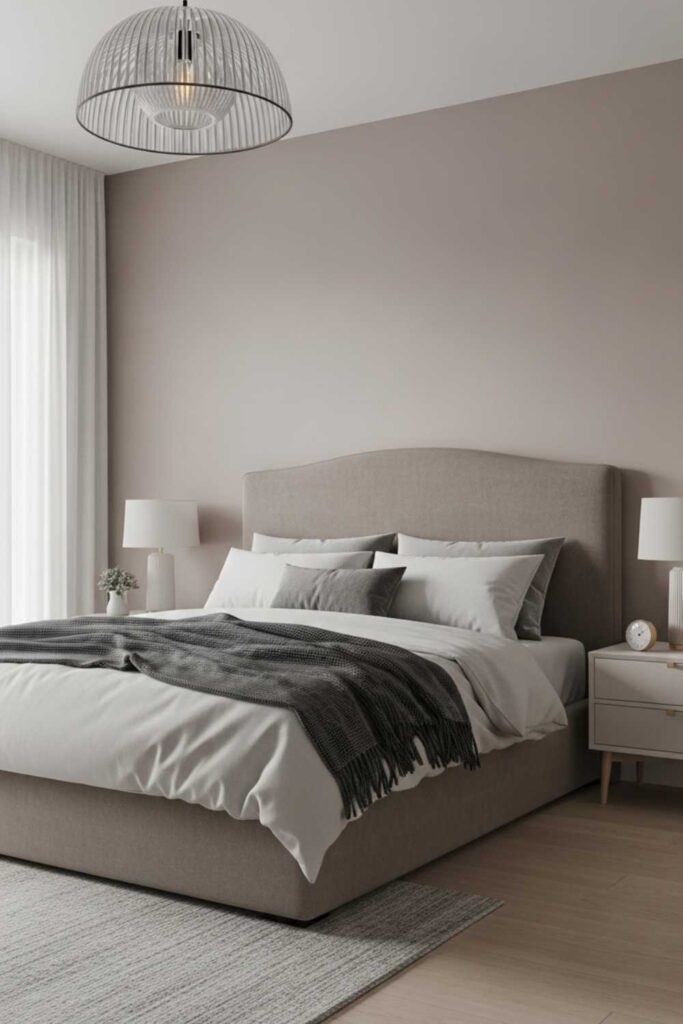
The placement of colors also influences how a layout feels. Keeping large visual areas in soft neutral tones reduces stimulation and helps the eyes relax.
Positioning lighter tones near windows and slightly deeper tones behind the bed creates depth without heaviness. This subtle layering improves visual comfort.
Calming bedroom colors for adults are widely recommended in sleep-focused interior design. Neutral layouts make bedrooms feel timeless and soothing.
10. Symmetrical Lighting Layout for Evening Relaxation
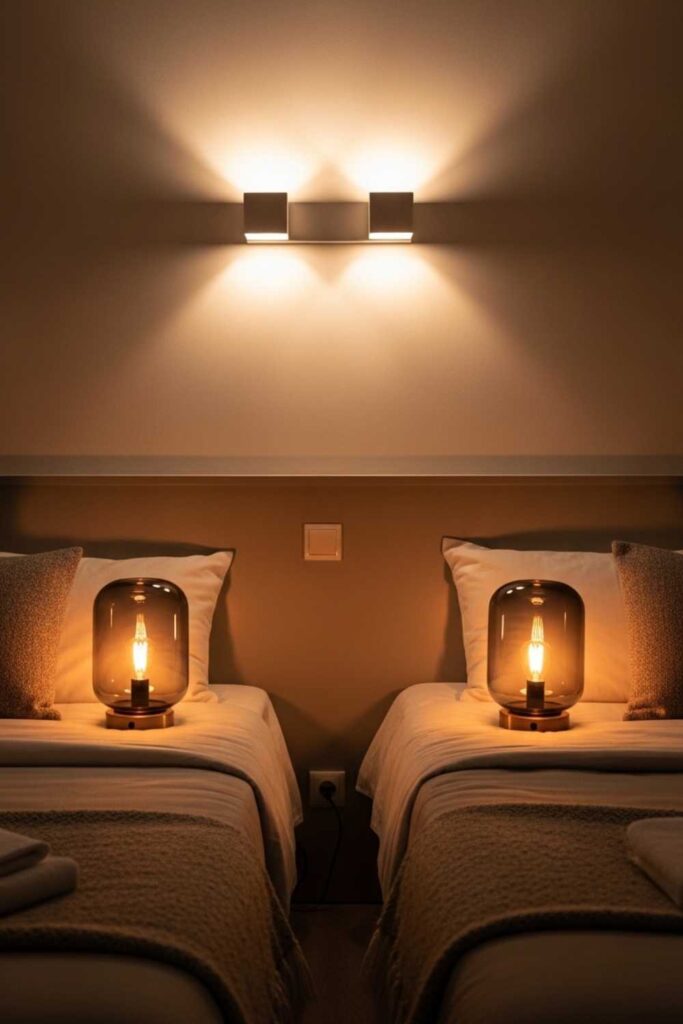
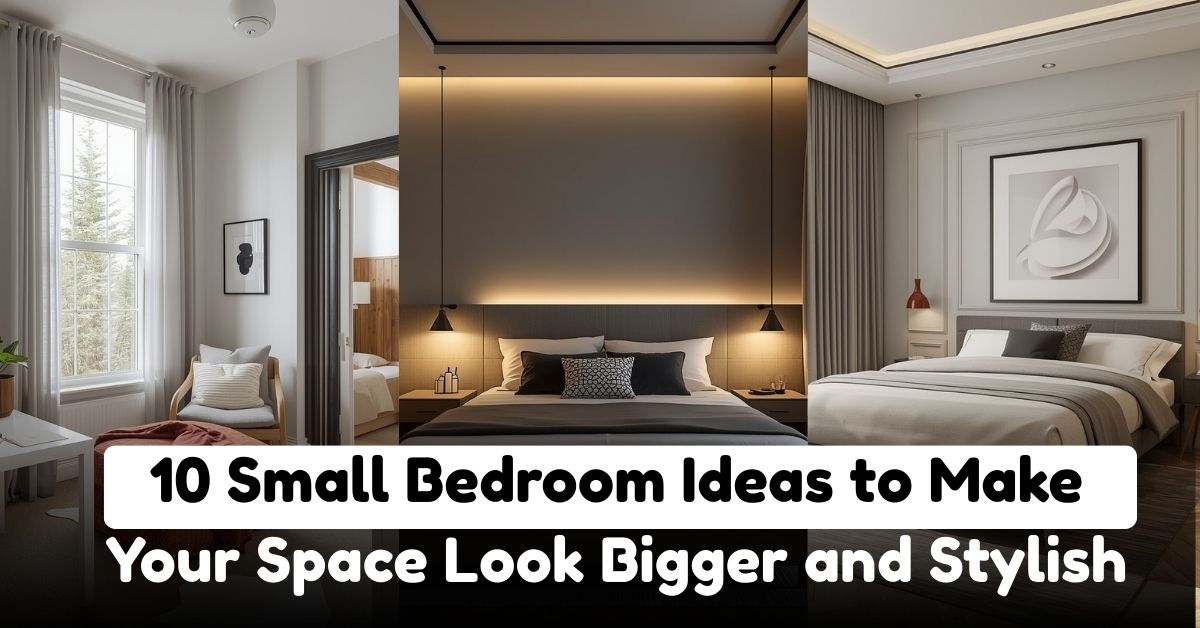
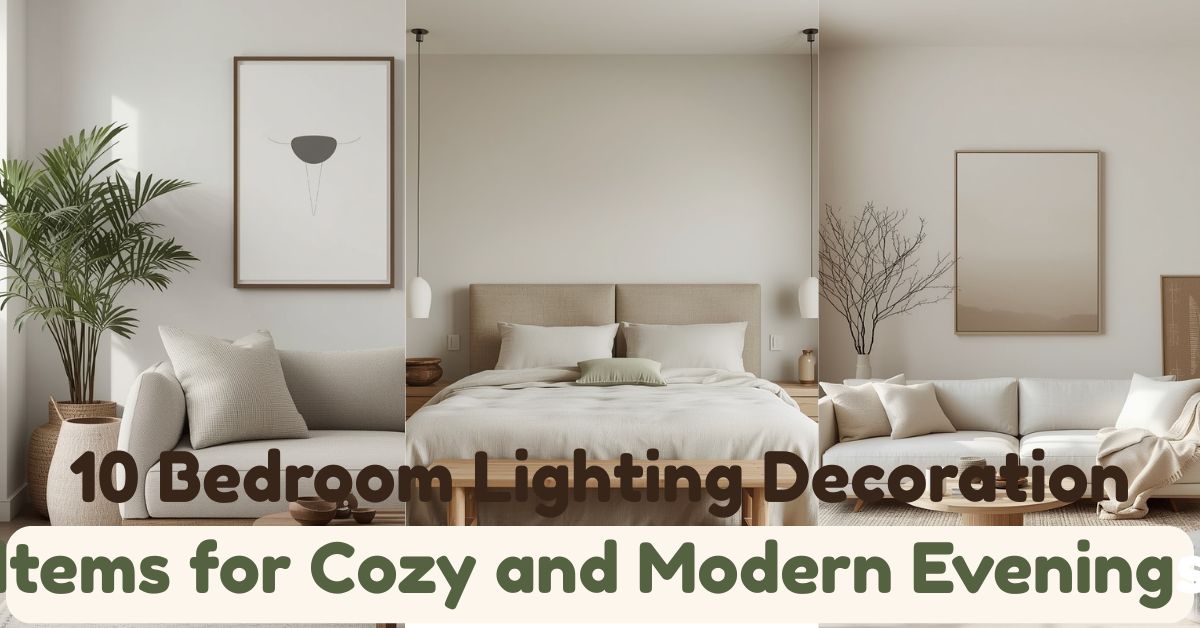
Lighting placement matters just as much as brightness. Using matching bedside lamps or balanced wall lights creates harmony and visual calm.
Soft warm lighting on both sides of the bed prevents harsh shadows and reduces eye strain at night. This gentle illumination signals the body that it is time to rest.
Bedroom design ideas that improve sleep often emphasize layered lighting rather than strong overhead fixtures. Balanced lighting helps the mind transition into relaxation naturally.
Conclusion
A peaceful bedroom is not defined by size but by intention. Thoughtful bedroom layout ideas for better sleep can transform even the smallest space into a calm retreat.
By focusing on balance, natural light, minimal furniture, and clutter-free design, any bedroom can support deeper rest and improved well-being. These small layout decisions often create the biggest difference in how a room feels at the end of the day.
Read More:10 Dark Bedroom Ideas for Small Rooms That Feel Moody and Sophisticated