
A modern Japanese bedroom is not designed to impress at first glance. It is designed to settle the mind. In homes across Japan and increasingly in calm interiors across the US, UK, Canada, and Australia, the bedroom is treated as a quiet retreat rather than a decorative showcase. This approach focuses on balance, natural materials, and intentional emptiness rather than filling every corner.
Modern Japanese bedroom decor items work best when they support stillness. Each item has a reason to exist. Nothing feels loud, rushed, or excessive. The room breathes easily, allowing the body and mind to slow down at the end of the day. This philosophy feels especially relevant today, when bedrooms often double as rest zones after long screen-heavy routines.
What makes modern Japanese bedroom decor different is restraint. Instead of bold colour or heavy ornamentation, it relies on texture, light, and proportion. Items are chosen for how they feel in daily use, not how they photograph alone. Whether you live in a small apartment or a spacious home, these decor items help create a bedroom that feels grounded, peaceful, and quietly refined.
Below are 12 modern Japanese bedroom decor items that bring calm, minimal living into everyday spaces without feeling cold or empty.
12 Modern Japanese Bedroom Decor Items

Table of Contents
1. Low Wooden Bed Frames That Ground the Space
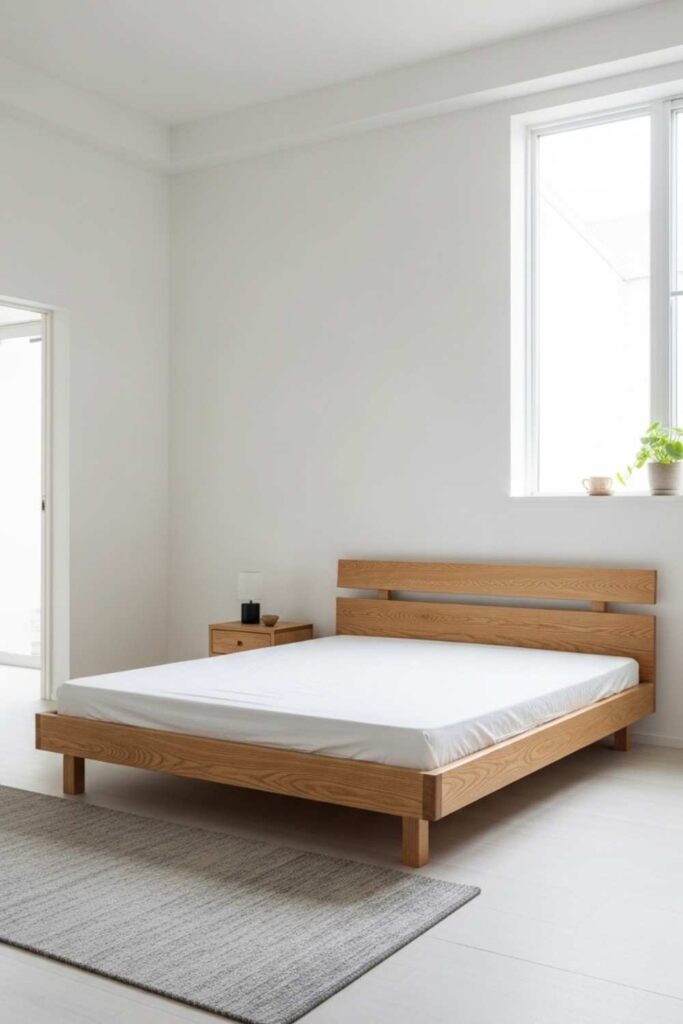
Low-profile wooden bed frames are central to modern Japanese bedroom decor. Sitting closer to the floor, they create a feeling of stability and calm that taller beds often lack. The room instantly feels more open, even in small spaces, because visual weight stays low and balanced.
Natural wood finishes such as oak, ash, or light walnut are preferred because they add warmth without visual noise. These bed frames are simple in shape, often without ornate headboards, allowing the material itself to be the focus. This simplicity supports deeper rest and makes the bedroom feel more intentional rather than styled.
2. Tatami-Inspired Floor Mats for Soft Structure
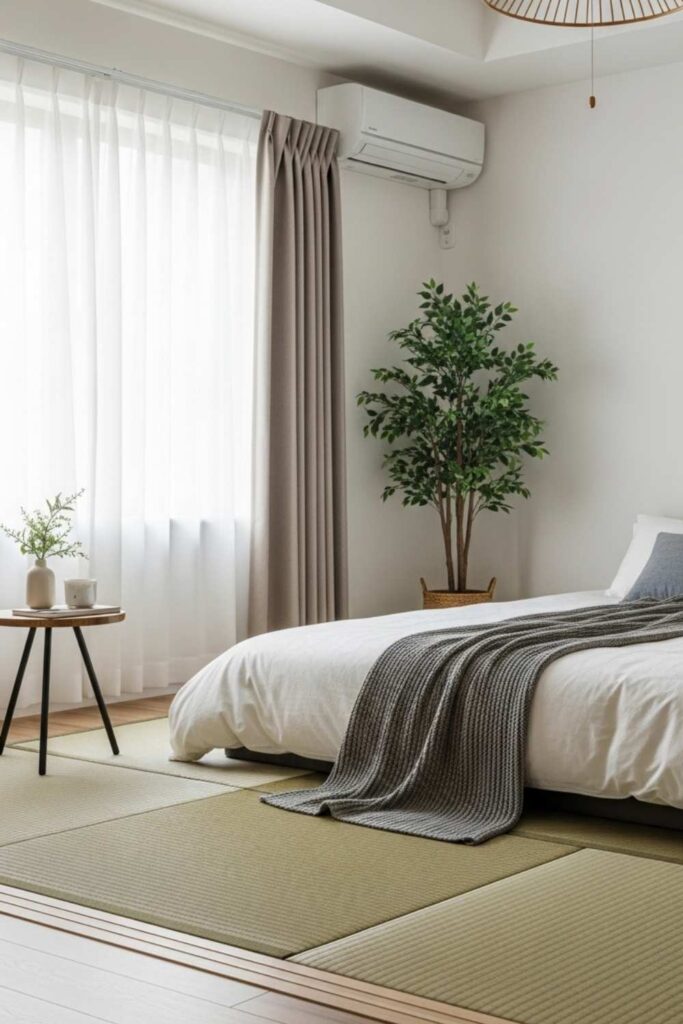
Tatami-inspired mats introduce subtle texture and quiet structure to the bedroom. Even when used partially, they define zones without the need for heavy furniture. Their woven surface adds softness underfoot and visually anchors the room.
In modern homes, tatami elements are often blended with contemporary flooring rather than replacing it entirely. This balance allows traditional Japanese bedroom decor to feel updated and adaptable. The mat quietly absorbs sound and creates a sense of ritual when stepping into the sleeping area.
3. Shoji-Style Lamps for Diffused Light
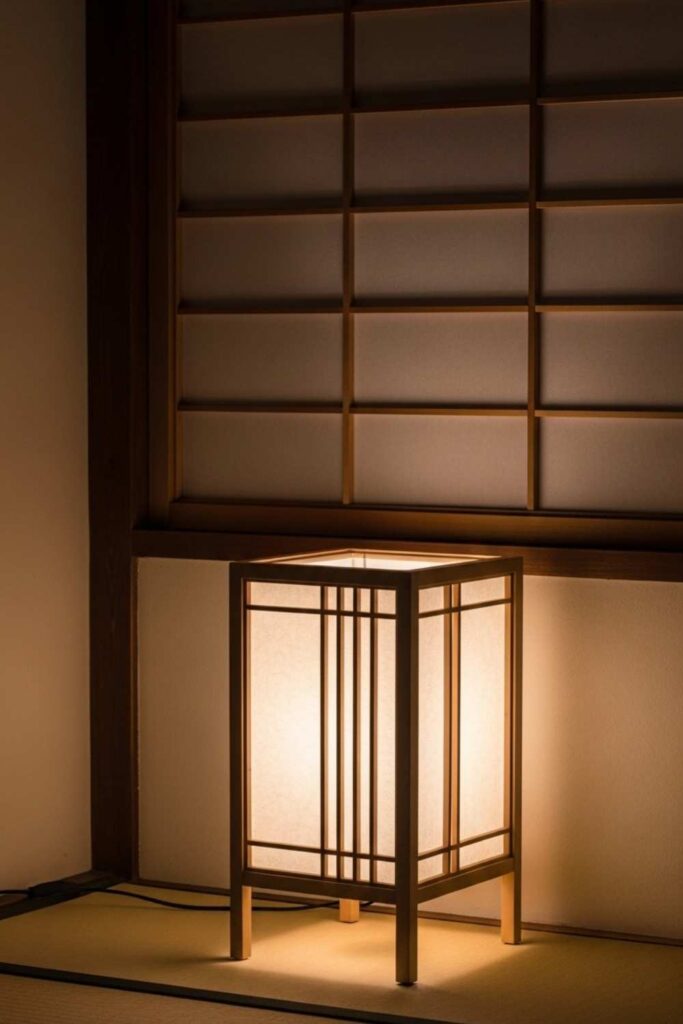
Lighting plays a powerful role in Japanese bedroom design. Shoji-style lamps use paper or fabric shades to soften light, eliminating harsh shadows. The glow feels gentle and calming, especially in the evening.
These lamps are not decorative in a dramatic way. Instead, they shape mood. Soft, warm light encourages relaxation and helps the body transition toward sleep. In minimalist bedrooms, a single well-placed shoji lamp often replaces multiple light sources.
4. Neutral Linen Bedding with Natural Texture

Modern Japanese bedroom decor avoids heavy patterns. Linen or cotton bedding in soft neutral tones allows texture to do the work instead of colour. Slight creases and natural imperfections are welcomed, adding authenticity to the space.
This type of bedding feels breathable and lived-in. It does not demand perfection. Neutral layers create visual rest, making the bed feel inviting rather than styled. Over time, the fabric softens further, reinforcing the slow-living mindset central to Japanese interiors.
5. Minimal Wooden Nightstands with Clear Surfaces
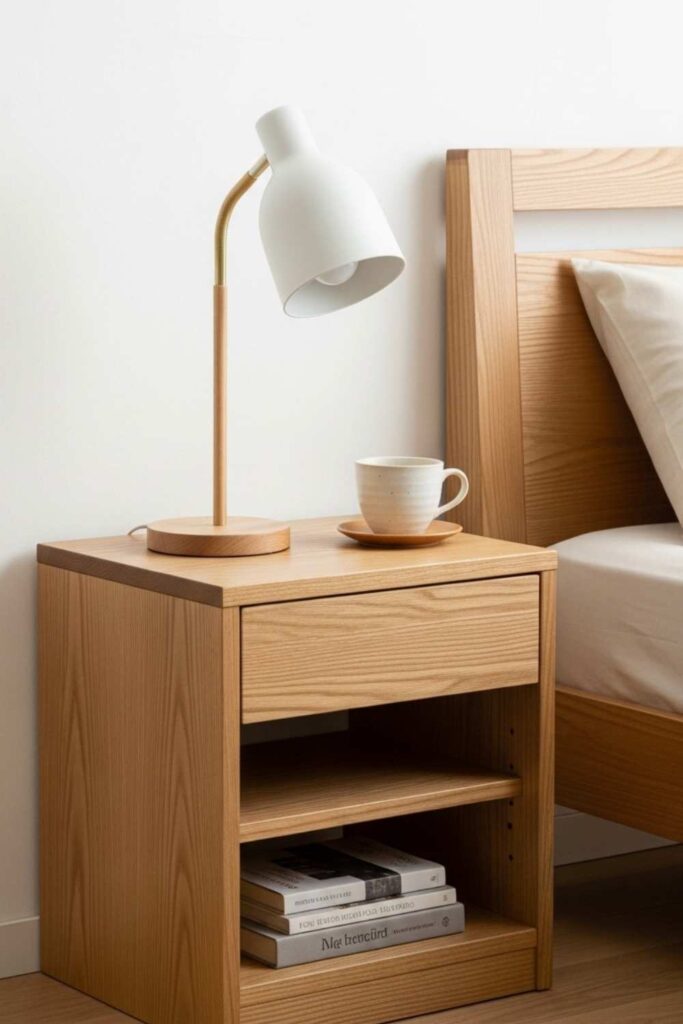
Japanese bedrooms rarely crowd bedside areas. A small wooden nightstand with clean lines is usually enough. These pieces often feature open shelving or a single drawer, encouraging restraint in what is kept nearby.
Clear surfaces reduce mental clutter. When only a lamp, book, or ceramic cup sits beside the bed, the space feels calmer. The goal is not storage but ease. Every item remains intentional and easy to reach without overwhelming the senses.
6. Simple Ceramic Vases as Quiet Accents
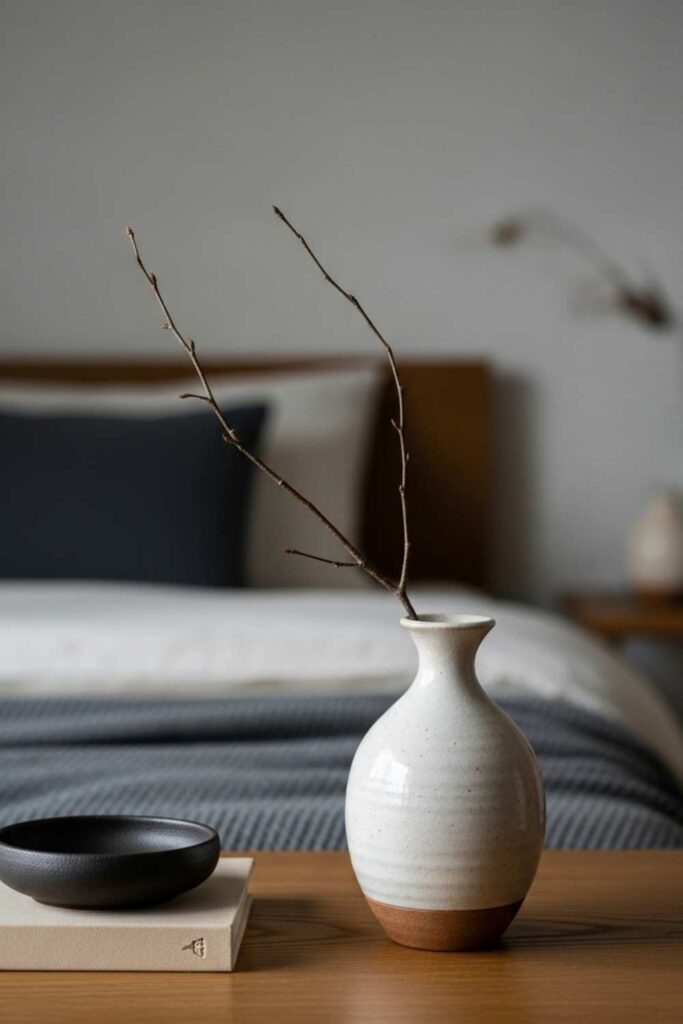
Ceramics play an important role in Japanese decor, but always subtly. A simple ceramic vase, often handmade, adds softness and imperfection to the bedroom. Even empty, it holds visual weight without demanding attention.
When used with a single branch or dried stem, the effect is restrained and meditative. These decor items remind us that beauty does not need abundance. A single thoughtful object can carry presence without clutter.
Explore More: 10 Space Saving Bedroom Ideas for Small Rooms
7. Sliding Fabric Panels or Soft Curtains
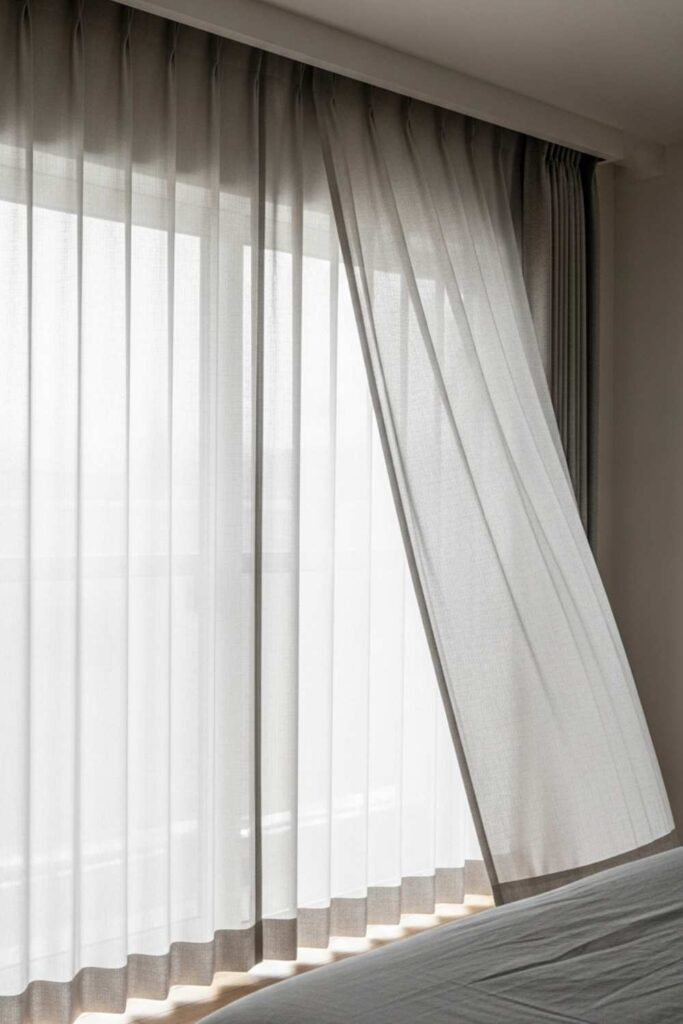
Instead of heavy drapery, modern Japanese bedrooms favour soft fabric panels or lightweight curtains. These allow light to filter gently into the room while maintaining privacy. The movement of fabric adds softness without visual heaviness.
Neutral tones keep the room feeling cohesive. The fabric becomes part of the architecture rather than a decorative statement. This approach works especially well in small bedrooms, where bulky window treatments can feel overwhelming.
8. Floor Cushions for Flexible Seating
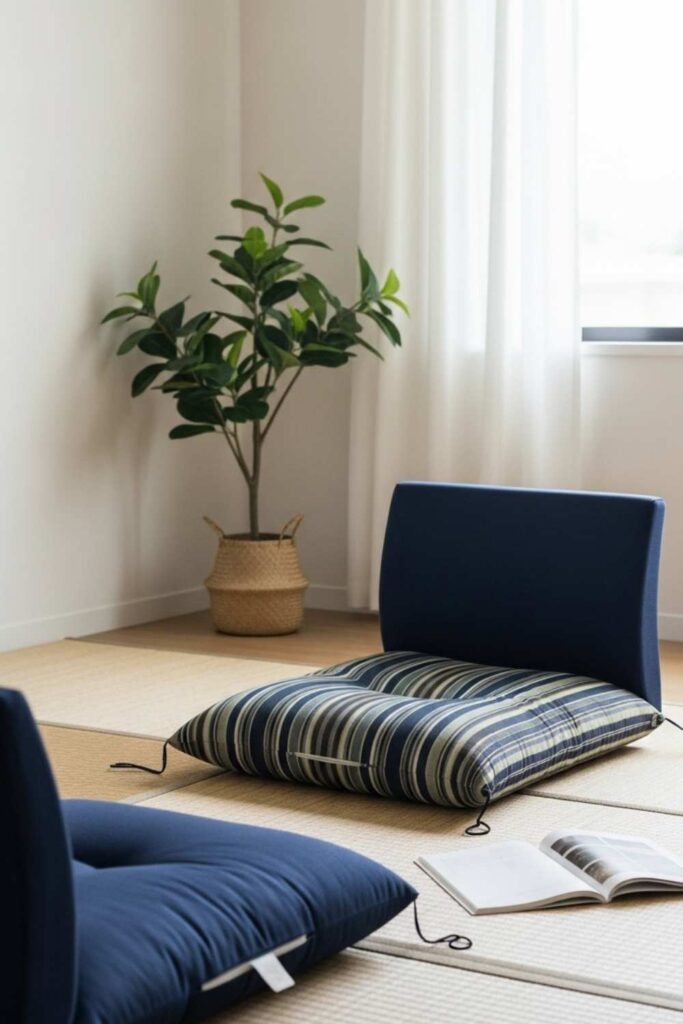
Floor cushions offer flexible comfort without adding permanent furniture. In Japanese bedroom decor, they provide a place for reading, stretching, or quiet reflection without interrupting the room’s flow.
Their low height keeps the space grounded. When not in use, they can be stacked or moved aside easily. This adaptability supports calm living and prevents the bedroom from feeling overly structured or crowded.
9. Natural Wood Storage Boxes for Hidden Organization
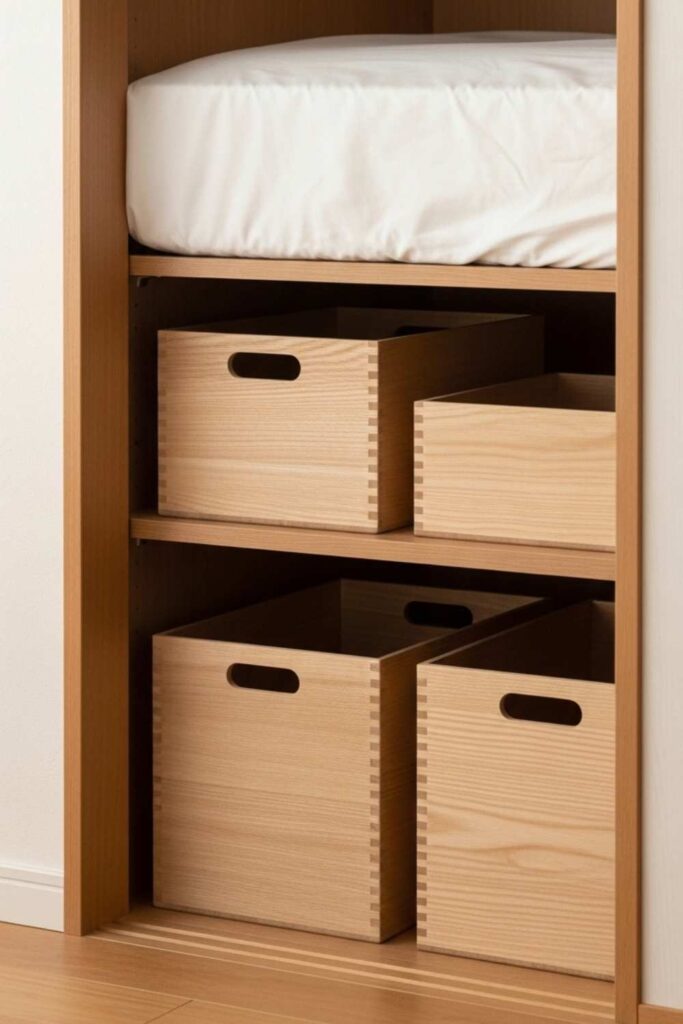
Storage in Japanese interiors is often concealed. Natural wood boxes help keep belongings organized without introducing plastic or visual clutter. Their simple form blends seamlessly into the bedroom.
Placed under beds or inside closets, they support minimal living by encouraging intentional storage. When organization is quiet and hidden, the room remains visually calm, even when used daily.
10. Wabi-Sabi Wall Art with Soft Imperfection
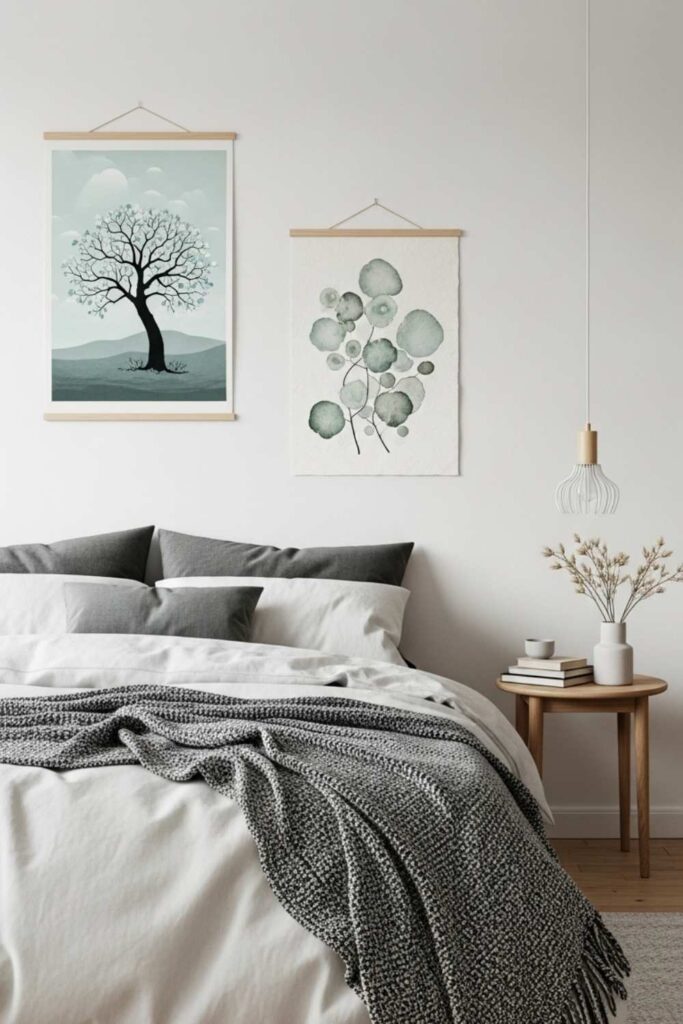
Modern Japanese bedrooms often feature art that feels incomplete or organic. Wabi-sabi inspired prints or handmade paper pieces celebrate imperfection rather than symmetry.
These artworks are not meant to dominate the wall. They act as gentle pauses for the eye. Muted tones and simple compositions help the bedroom feel emotionally balanced rather than styled for display.
11. Wooden Screens for Gentle Separation
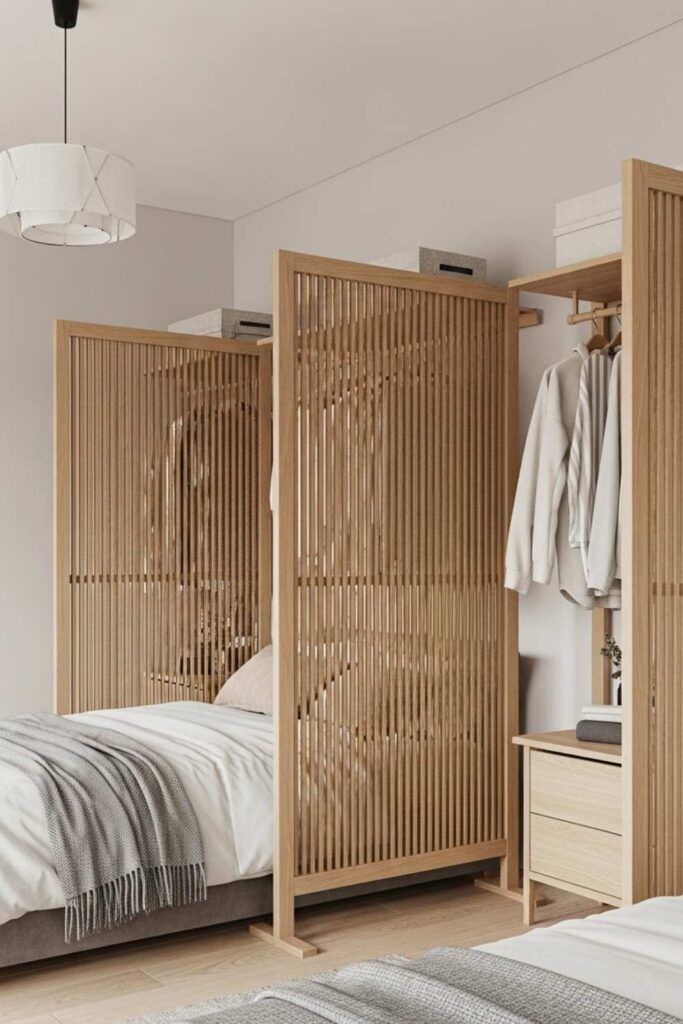
Wooden screens introduce separation without walls. In bedrooms, they can define dressing areas or quiet corners while maintaining openness. Their slatted design allows air and light to move freely.
Screens support flexibility. They can be repositioned as needs change, which aligns perfectly with the Japanese philosophy of adaptable living. The room remains calm and functional without feeling boxed in.
12. Small Indoor Plants Chosen with Restraint
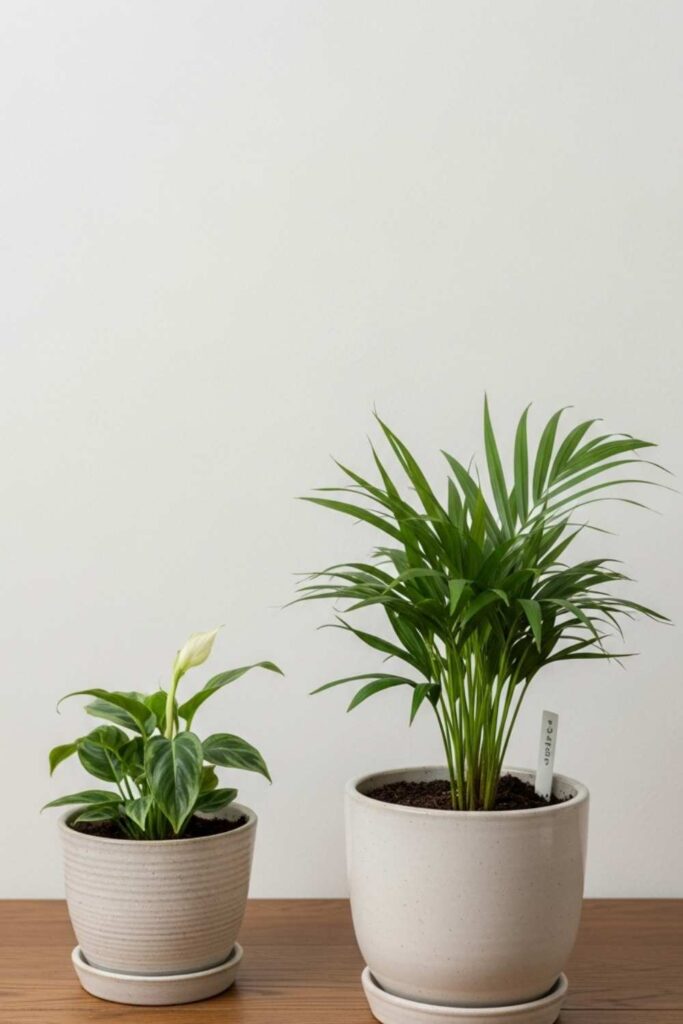
Plants in Japanese bedrooms are used sparingly. One well-chosen plant brings life and softness without overwhelming the space. Simple planters in neutral ceramic or clay keep the focus on the plant itself.
The goal is balance, not decoration. Plants support mental calm, improve air quality, and connect the interior to nature. When used thoughtfully, they enhance the bedroom without disrupting its quiet rhythm.
FAQs: Modern Japanese Bedroom Decor
What defines modern Japanese bedroom decor items
They focus on simplicity, natural materials, low furniture, and calm lighting rather than decoration.
Is modern Japanese bedroom decor suitable for small spaces
Yes. Low furniture, neutral tones, and minimal items make small bedrooms feel open and balanced.
Can Japanese bedroom decor feel warm and cozy
Absolutely. Natural wood, soft textiles, and warm lighting prevent the space from feeling cold.
How many decor items should a Japanese bedroom have
Fewer is better. Each item should serve a purpose or create calm.
Does Japanese bedroom decor follow trends
It prioritizes timeless design over trends, which helps spaces age gracefully.
Explore More in Our Best Ideas
- Modern Mood-Boosting Bedroom Design Ideas
- Bedroom Decor for Small Rooms
- White and Cream Bedroom Ideas
Conclusion
Modern Japanese bedroom decor items are not about creating a perfect-looking room. They are about creating a restful experience. Each piece supports stillness, balance, and ease, allowing the bedroom to feel like a retreat rather than another task to manage.
By choosing fewer items with more intention, the bedroom becomes a place where the mind can slow down naturally. Wood, light, fabric, and quiet texture work together to create a space that feels gentle and grounded. In a fast-paced world, this approach to bedroom design feels not only beautiful but deeply necessary.
Explore More: 10 Bedroom Lighting Ideas Modern for Calm, Stylish Living