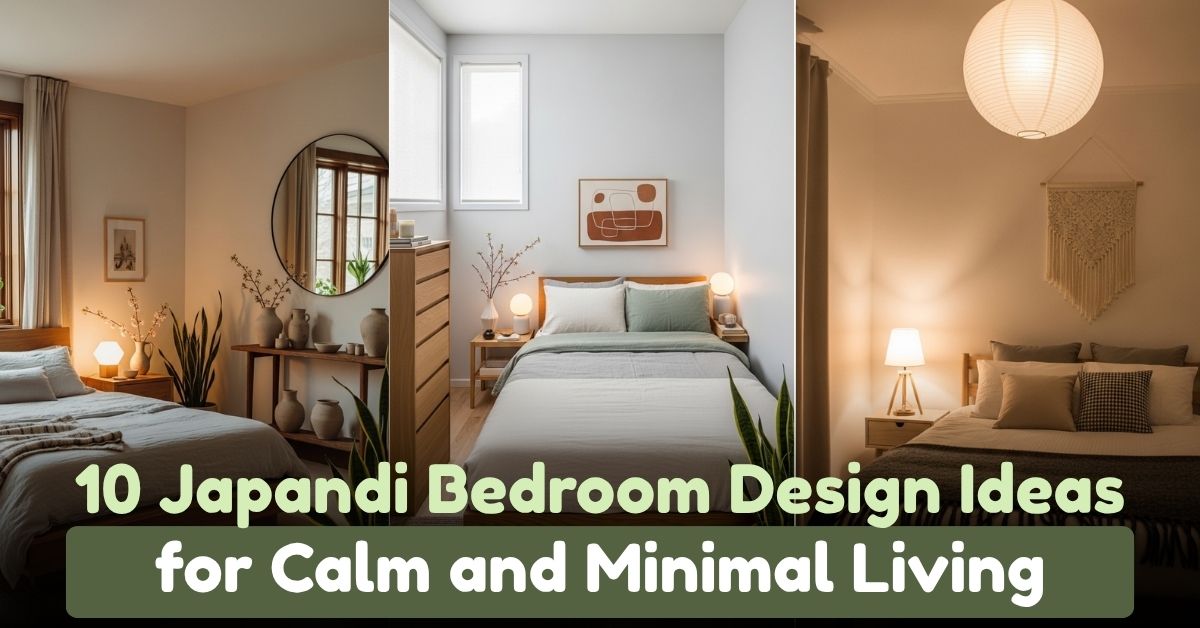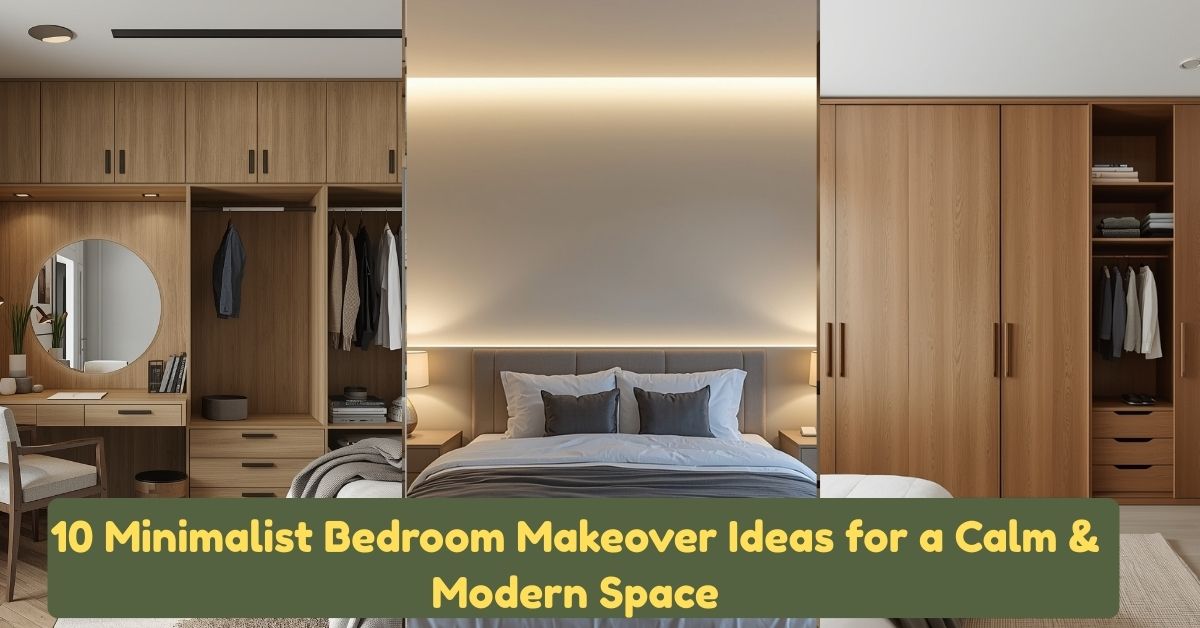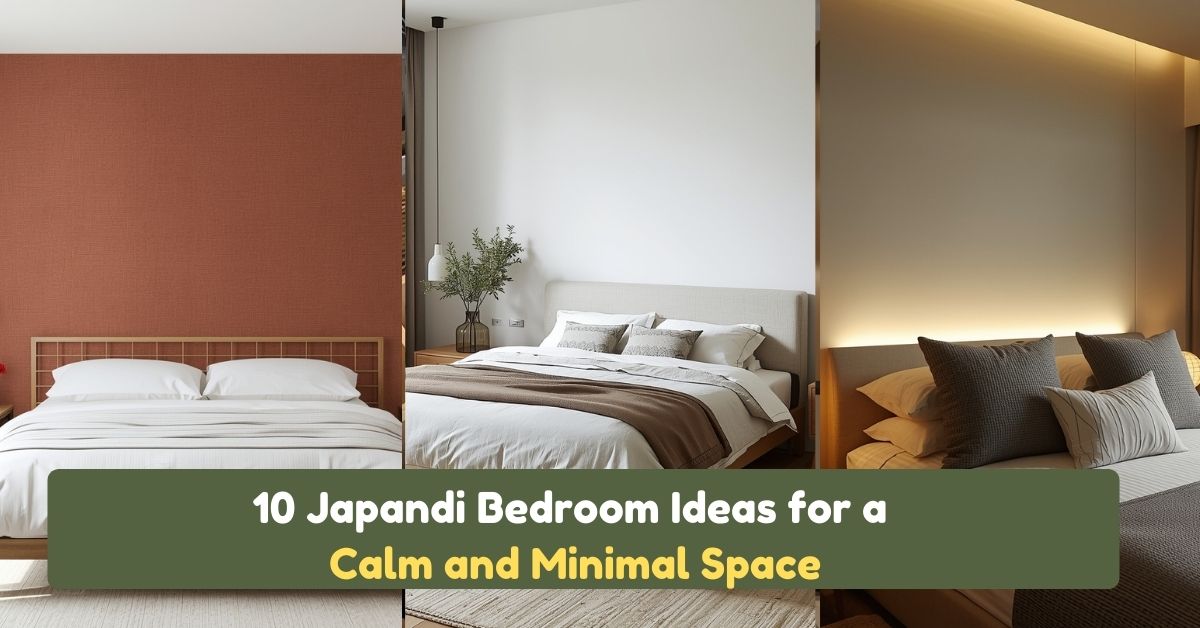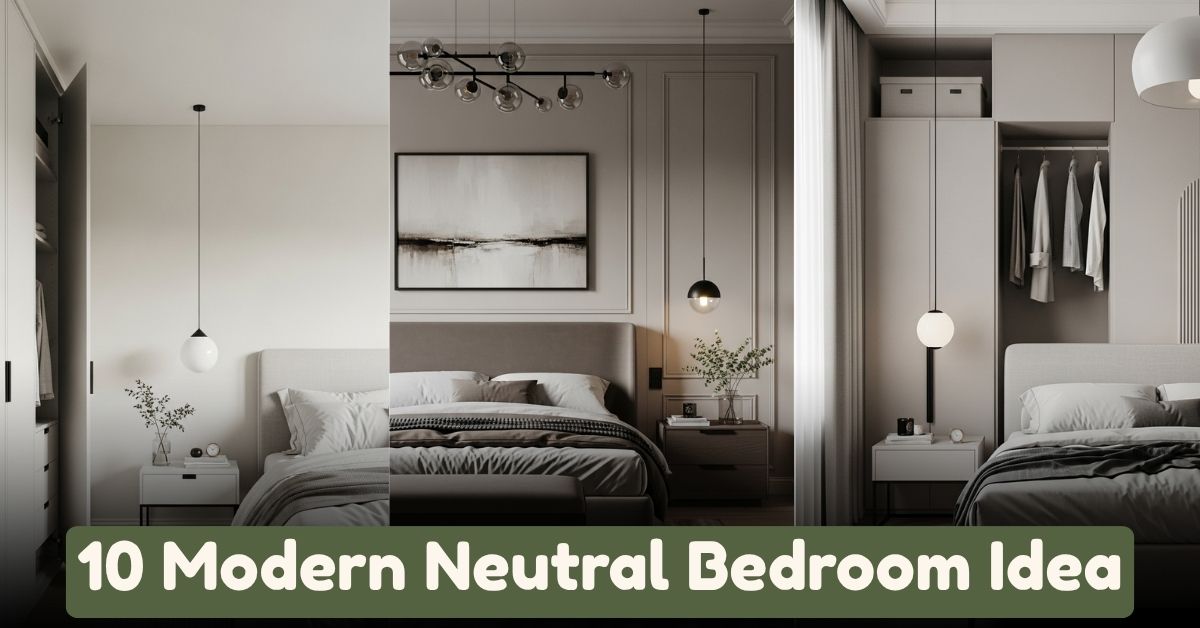
Japanese bedroom design for small space is not just about minimal furniture or light colors. It is about spatial intelligence. It is about understanding proportion, breathing room, light flow, and emotional balance inside limited square footage. Where many small bedrooms feel cramped because of excessive storage and decorative overload, Japanese design removes what is unnecessary and enhances what truly matters.
In modern urban apartments across the US, UK, Canada, and Asia, space is becoming more compact. This is exactly why Japanese bedroom design ideas are growing in global popularity. They offer solutions that are practical, visually clean, and emotionally grounding. Instead of fighting small space, this design philosophy works with it.
Below are deeply explained, high-value concepts that transform compact bedrooms into refined, functional retreats.
12 Japanese Bedroom Design for Small Space That
Table of Contents
1. Low-Level Bed Design That Expands Vertical Perception
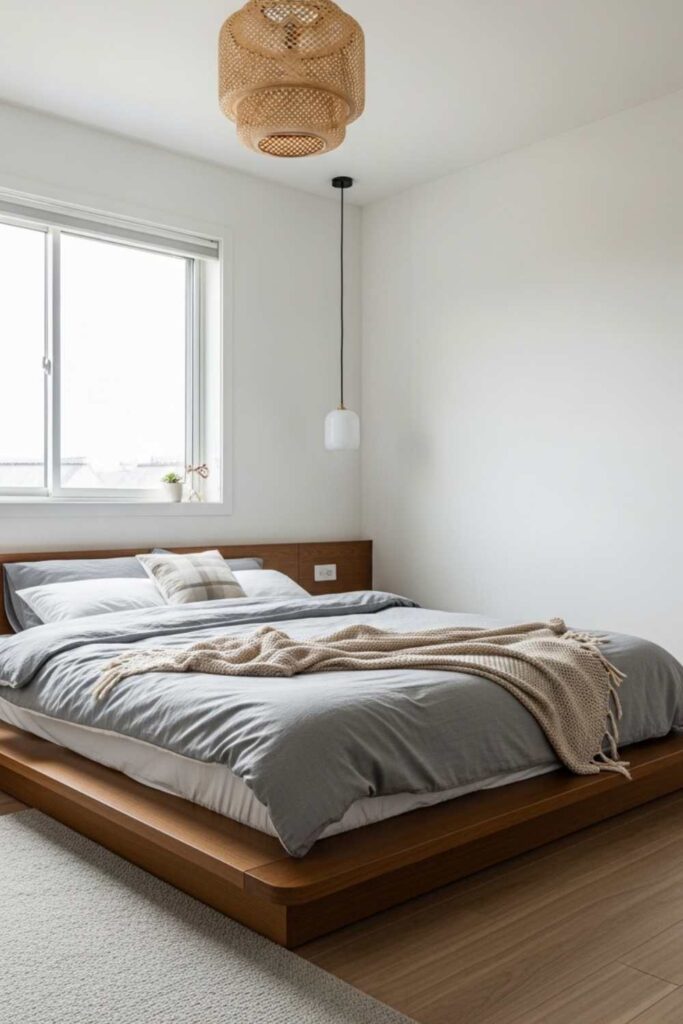
One of the most powerful elements in japanese bedroom design for small space is the low platform bed. Lowering the visual height of the largest furniture piece immediately increases the perceived ceiling height. When the eye is not interrupted by tall frames or bulky headboards, the entire room feels taller and more open.
This is not just aesthetic. It changes how the room functions. Low beds create stronger horizontal flow, which makes narrow rooms appear wider. The proportion between furniture and wall height becomes balanced rather than compressed.
Modern Japanese style bedroom layouts often integrate storage drawers beneath the low platform. This eliminates the need for additional dressers, keeping the room clean while maintaining full functionality.
2. Tatami Integration for Authentic Texture and Spatial Zoning
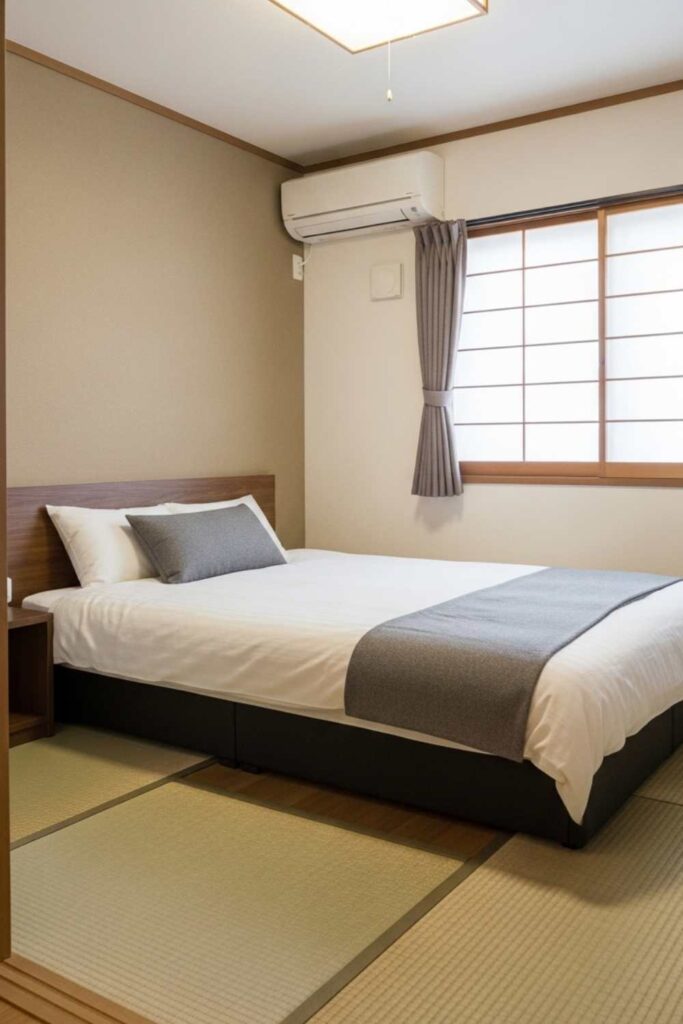
Japanese bedroom tatami elements introduce a grounded texture that visually softens the room. The woven surface creates subtle pattern without heavy decoration, adding depth without clutter. In small rooms, this kind of texture is far more effective than layered rugs or bold prints.
Tatami also acts as a zoning tool. In compact apartments, placing tatami beneath the sleeping area defines the rest zone clearly without building walls. This is especially useful in studio layouts.
Beyond visual benefits, tatami supports barefoot comfort and temperature balance, making the room feel naturally welcoming and emotionally calm.
3. Japanese Bedroom Colours That Visually Enlarge Space
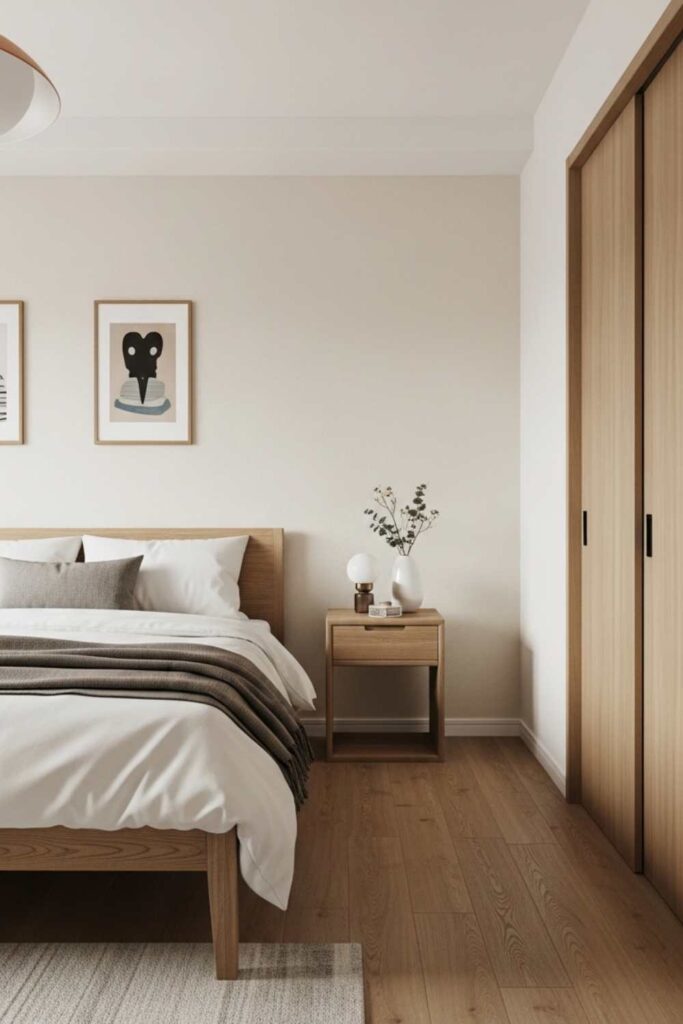
Color selection in japanese bedroom design ideas is strategic, not decorative. Soft off-whites, warm beige, muted greys, and natural wood tones reflect light evenly and prevent shadow buildup. In small rooms, this is critical.
Dark or highly saturated colors tend to visually shrink compact spaces. Japanese bedroom colours instead focus on tonal layering. A cream wall paired with slightly darker wood flooring adds dimension without contrast shock.
This soft palette strengthens the Japanese bedroom aesthetic by allowing light to become a primary design feature rather than an afterthought.
4. Sliding Storage Solutions That Preserve Floor Space
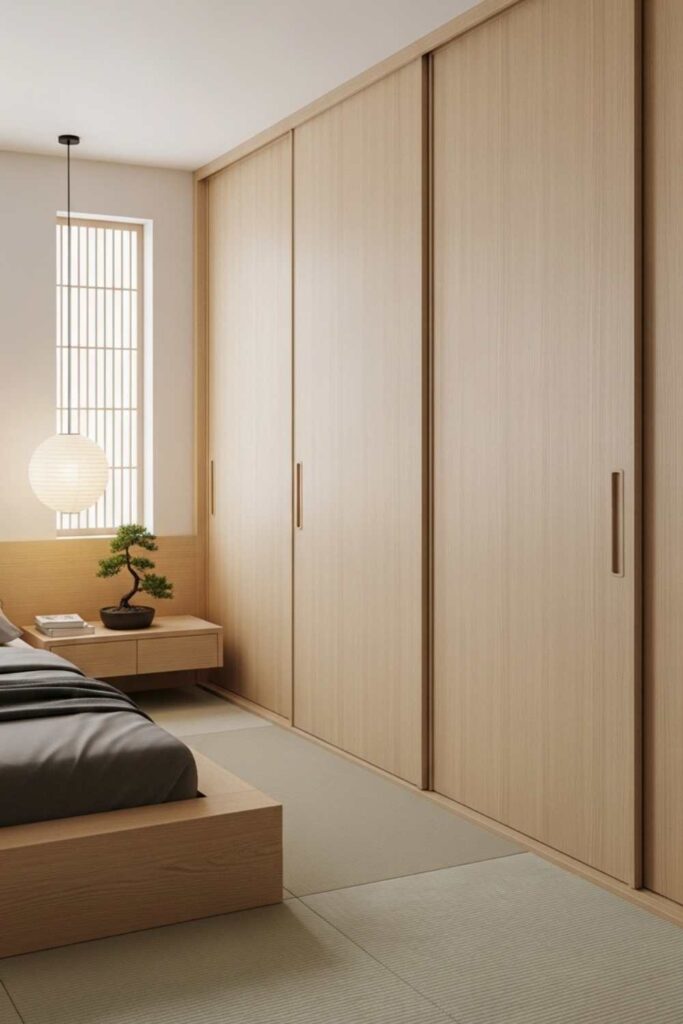
In small bedrooms, hinged doors consume valuable square footage. Japanese style bedroom furniture solves this problem with sliding doors and flush panels. These systems maintain uninterrupted circulation paths.
Built-in sliding wardrobes eliminate visual breaks. When surfaces remain smooth and hardware minimal, the room feels architecturally cohesive instead of furniture-heavy.
This solution is especially important in small bedrooms under 120 square feet, where every inch must be optimized without creating visual stress.
5. Built-In Niches for Functional Minimalism
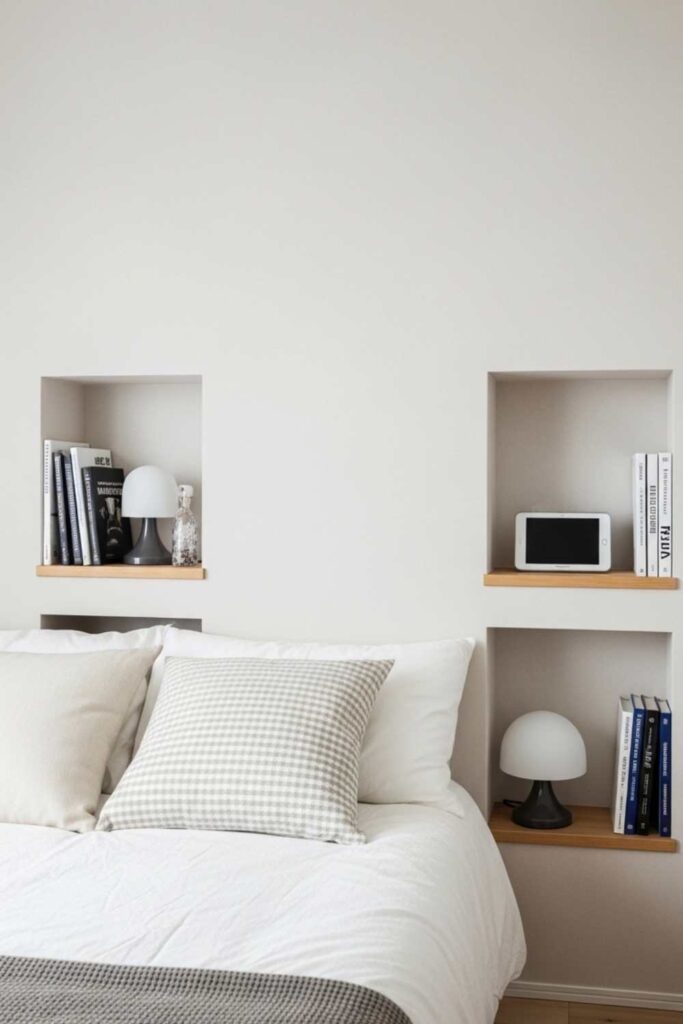
Japanese bedroom design for small space often includes recessed wall niches instead of bulky nightstands. These niches hold essentials such as books, small lamps, or devices without occupying floor area.
This built-in approach keeps the sleeping zone visually clean while maintaining usability. It also reinforces symmetry when placed on both sides of the bed.
Architectural integration is what elevates small bedroom design from basic minimalism to intentional spatial planning.
6. Natural Wood as a Visual Warmth Anchor
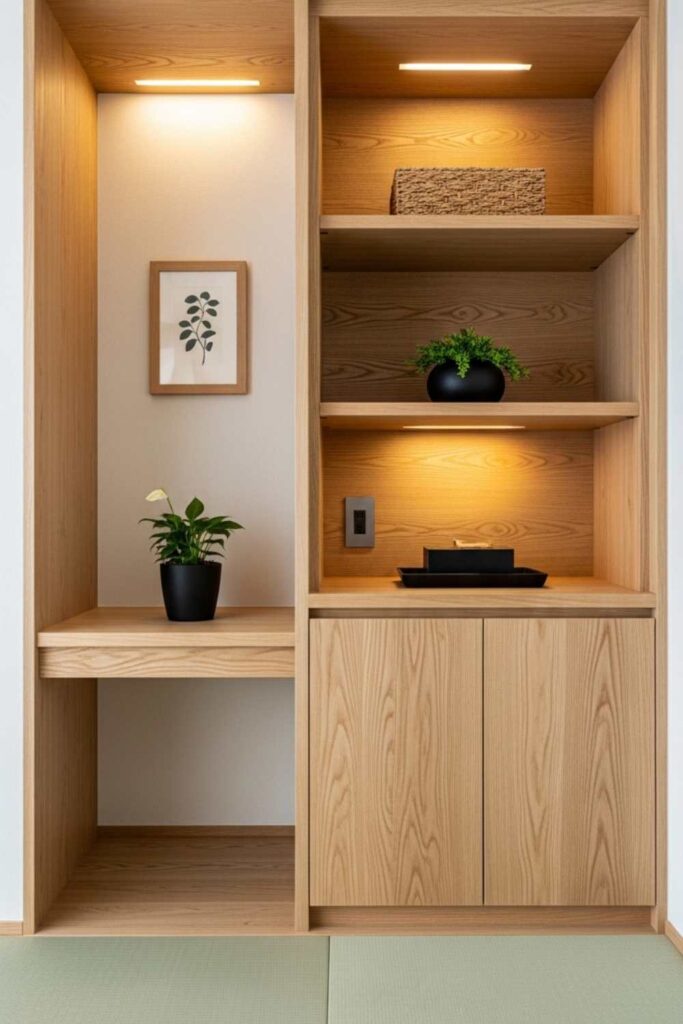
Light natural wood is central to modern Japanese style bedroom interiors. Materials like oak, ash, and bamboo introduce warmth without heaviness. In small spaces, warmth must be subtle, not overwhelming.
Wood grain adds organic texture that contrasts beautifully with smooth walls and tatami surfaces. This layered material balance creates richness without clutter.
When wood finishes remain consistent across bed frames, shelving, and trim, the room feels cohesive rather than pieced together.
7. Indirect Lighting for Emotional Comfort
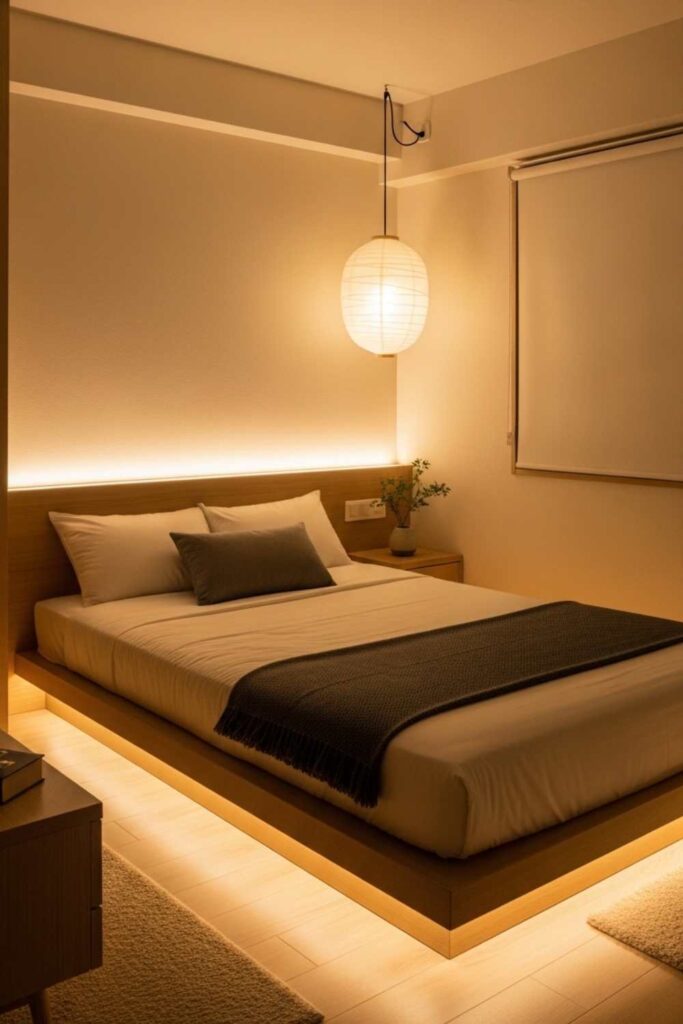
Lighting defines atmosphere more than decor. In japanese bedroom design for small space, indirect lighting prevents glare and hard shadows. Warm LED strips behind headboards or beneath platforms create floating effects.
Paper lantern-inspired fixtures diffuse light softly, maintaining calm visual rhythm. Overhead harsh lighting is minimized or dimmable.
Layered lighting enhances depth perception in small rooms, making them feel more spacious while supporting better sleep patterns.
8. Multi-Functional Layouts for Urban Living
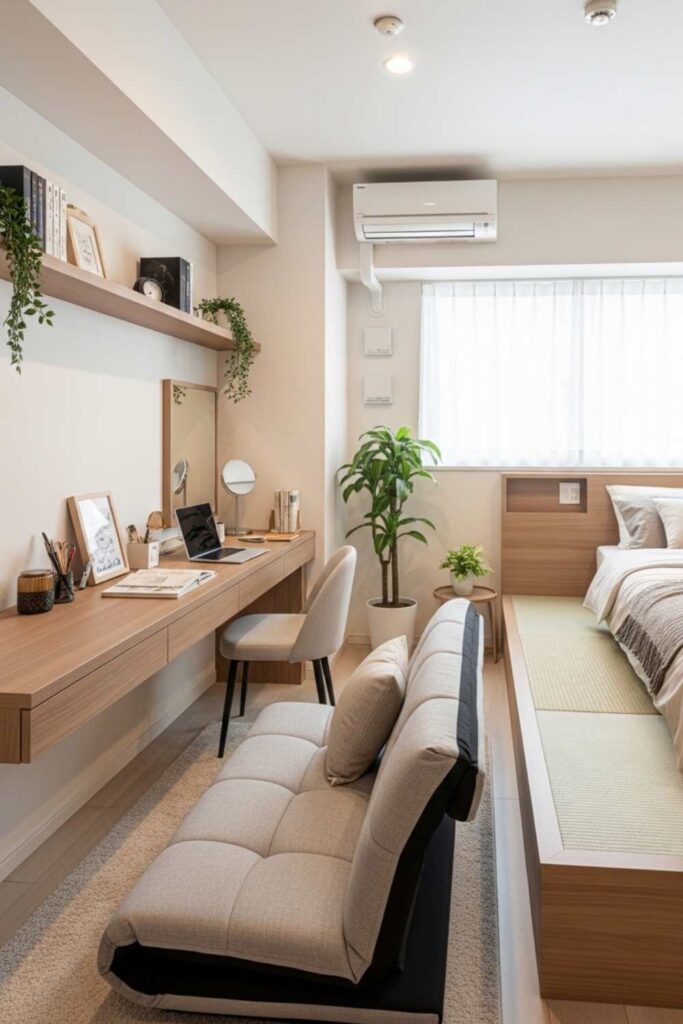
Compact bedrooms must adapt to multiple uses. A low desk integrated along one wall can double as vanity and workspace. Foldable futons allow floor flexibility during the day.
Japanese-inspired living room principles can influence bedroom zoning in studio apartments. A slightly raised tatami platform subtly divides sleeping and seating areas.
This flexibility allows small spaces to feel intentional rather than temporary.
9. Negative Space as a Design Feature
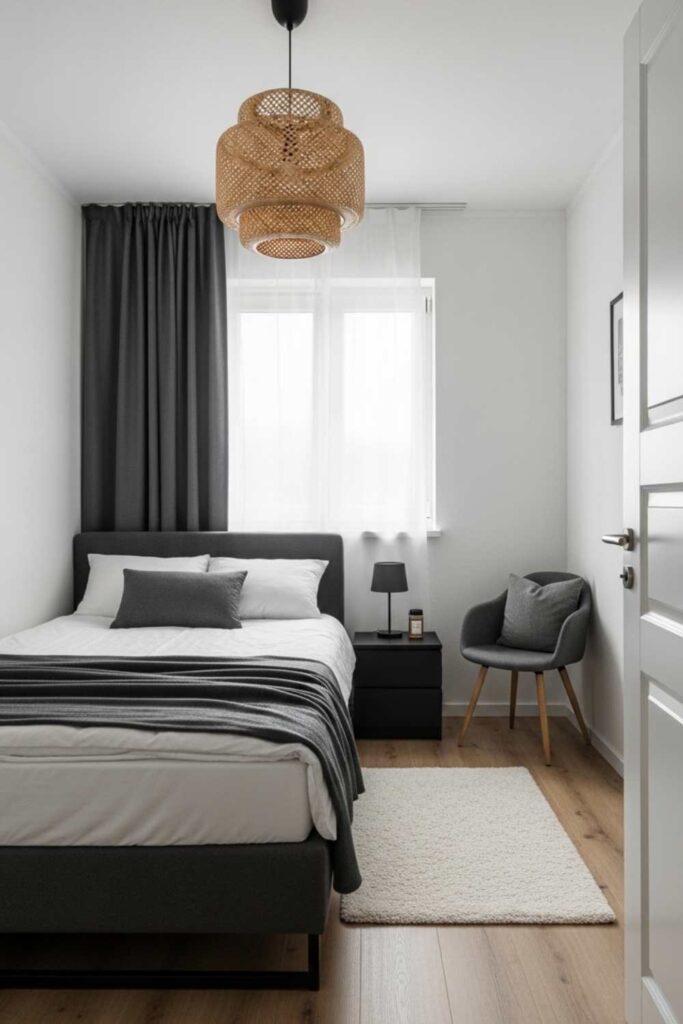
One of the most misunderstood elements in small room design is empty space. In Japanese design, negative space is not wasted space. It is breathing space.
Leaving one wall minimally decorated or allowing floor area to remain open enhances spatial calm. The absence of clutter becomes part of the aesthetic.
This principle prevents visual fatigue and makes the bedroom feel refined instead of crowded.
10. Minimal Decor With High Intentionality
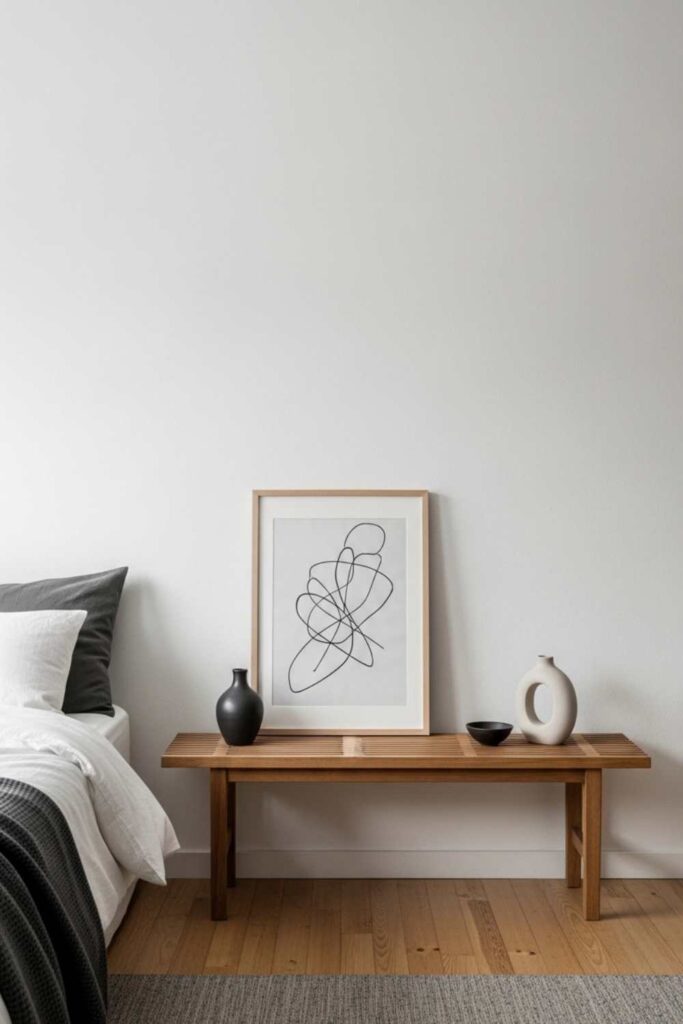
Decor in Japanese bedroom aesthetic is purposeful. One framed art piece, a ceramic vase, or a low wooden bench can define the room’s personality.
The key is placement. Objects are positioned where they balance the room’s symmetry and proportion rather than fill gaps randomly.
Intentional minimal decor ensures the bedroom maintains emotional softness while still feeling personal.
11. Symmetrical Layout for Psychological Balance
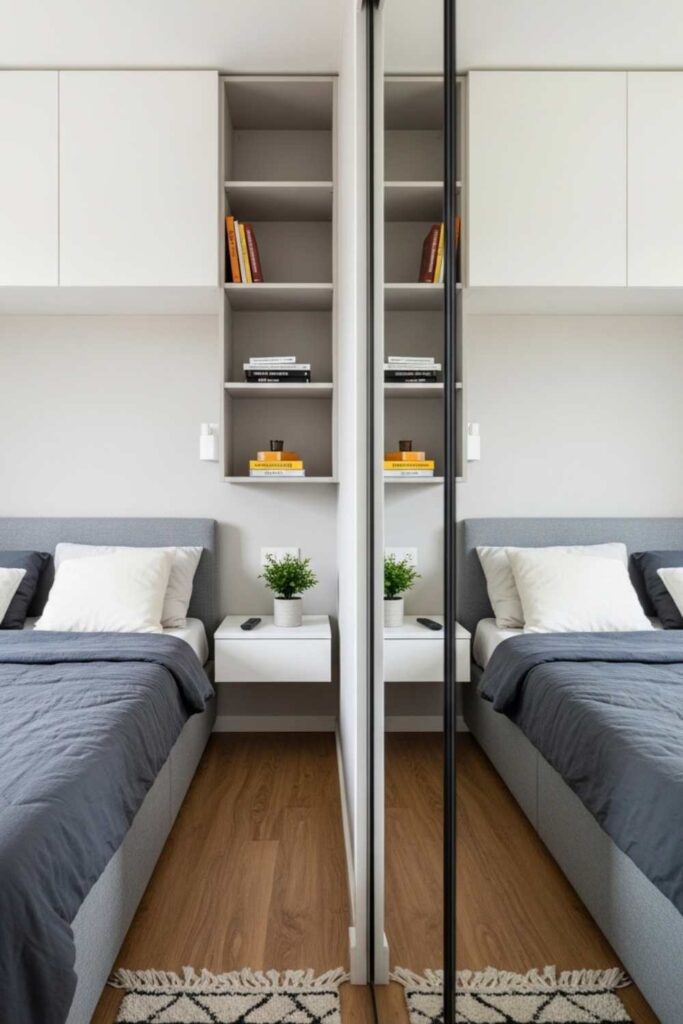
Symmetry plays a subtle psychological role. When bedside elements are balanced and walkways remain equal on both sides, the brain registers order and calm.
In small rooms, symmetrical layouts prevent the space from feeling skewed or compressed to one side.
Even minor adjustments, such as aligning shelves evenly or centering the bed correctly, elevate the entire design.
12. Texture Over Pattern for Visual Depth
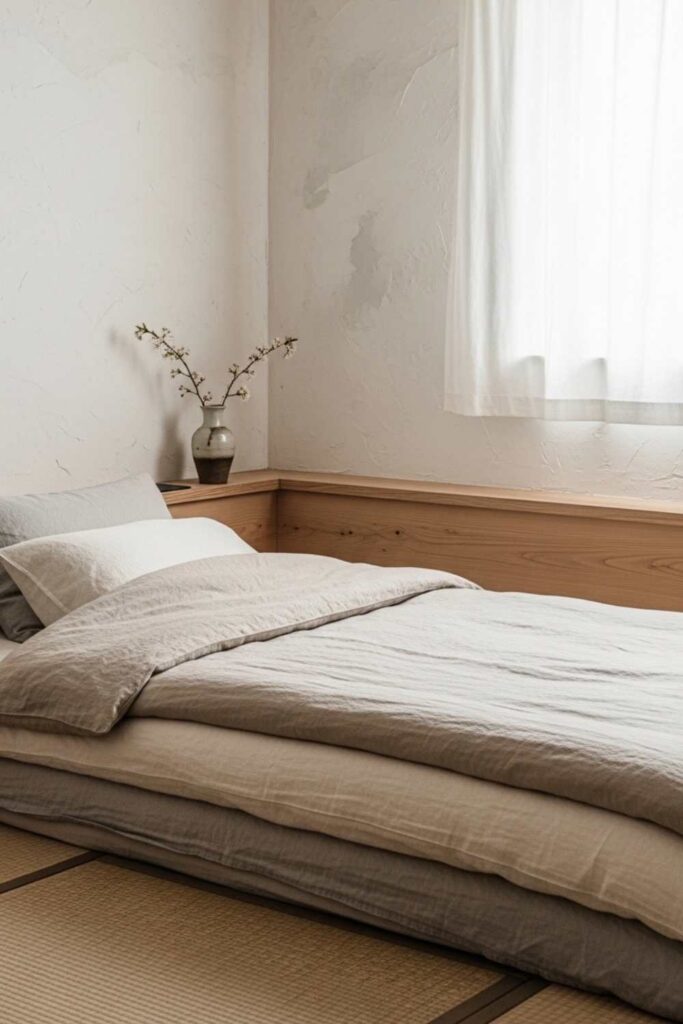
Instead of bold patterns, Japanese bedroom design ideas rely on texture layering. Linen bedding, woven tatami, wood grain, and soft plaster walls create quiet complexity.
Texture provides depth without shrinking the space. Pattern, especially in small rooms, can overwhelm quickly.
By focusing on material quality rather than visual decoration, the bedroom feels sophisticated and timeless.
Conclusion
A japanese bedroom design for small space proves that limitation can become strength. Through low-level furniture, thoughtful storage, soft Japanese bedroom colours, and architectural simplicity, even the most compact room can feel expansive and grounded.
This design philosophy prioritizes clarity, balance, and calm. It avoids trend-driven decoration and instead builds long-term comfort.
Read More: 12 Mood-Boosting Bedroom Paint Color Ideas for Better Sleep and Calm