
Getting a good night’s sleep isn’t just about going to bed early it’s about creating the right environment, choosing the right essentials, and building habits that support deep, uninterrupted rest. In today’s fast-paced lifestyle, your bedroom should act as a sanctuary where your body and mind can fully relax.
If you often wake up tired, experience disturbed sleep, or struggle to fall asleep, the solution may lie in upgrading your sleep essentials. Below are the must-have items that can transform your sleep quality and help you wake up refreshed every day.
10 Must-Have Sleep Essentials for Better Sleep at Home

Table of Contents
1. Comfortable Mattress – The Foundation of Good Sleep
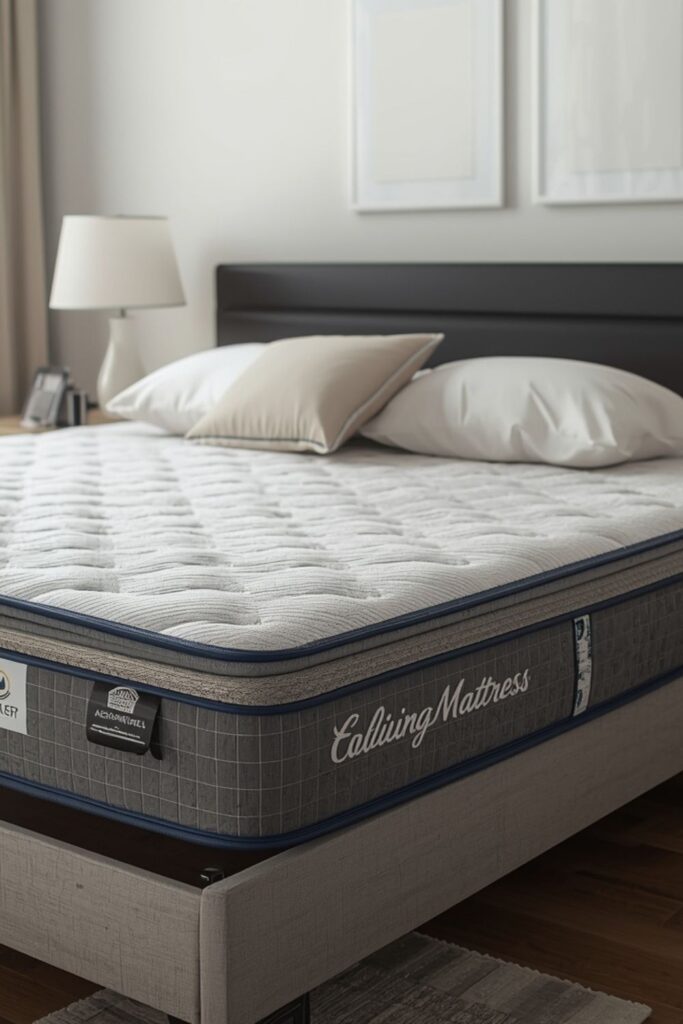
A high-quality mattress is the most important sleep essential. It directly affects your posture, spinal alignment, and overall comfort throughout the night. A poor mattress can lead to back pain, stiffness, and restless sleep.
Choosing the right mattress depends on your sleeping position. Side sleepers usually benefit from softer mattresses that cushion pressure points, while back and stomach sleepers may need firmer support. Memory foam and hybrid mattresses are popular because they adapt to your body shape while maintaining proper support.
Investing in a good mattress might feel expensive initially, but it significantly improves sleep quality and long-term health. Think of it as the foundation of your entire sleep setup.
2. Supportive Pillows for Neck & Spine Alignment
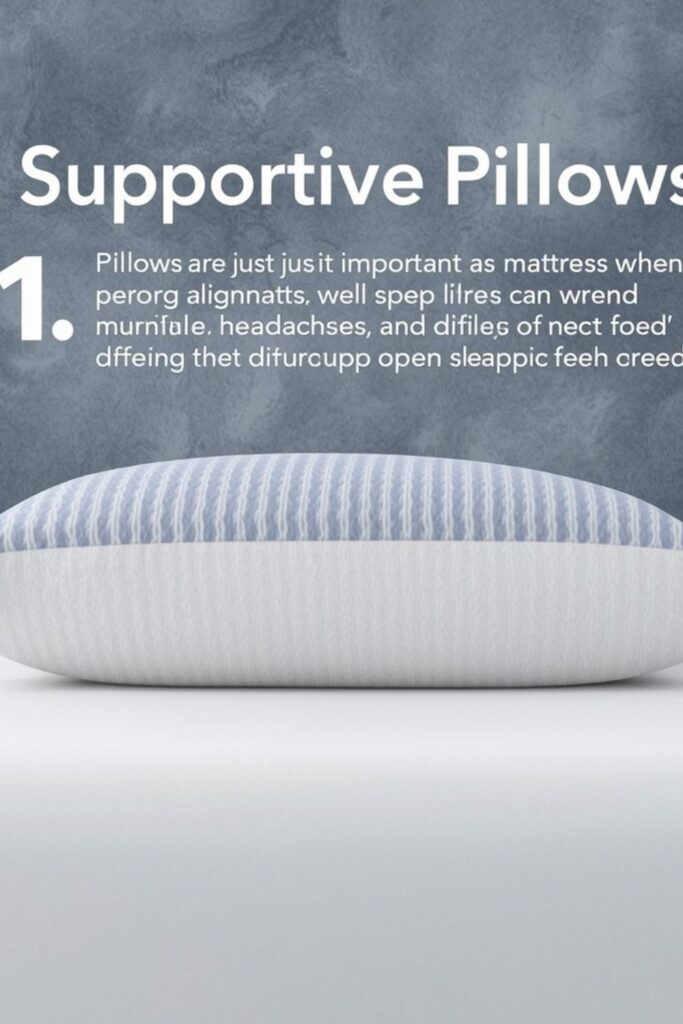
Different types of pillows serve different needs. Memory foam pillows provide firm support, while down or microfiber pillows offer a softer, plush feel. Side sleepers typically need thicker pillows, whereas back sleepers should go for medium-height support.
A good pillow ensures that your neck stays aligned with your spine, reducing strain and helping you stay comfortable all night long.
3. Breathable Bedsheets & Bedding

Your bedsheets play a major role in regulating body temperature. Breathable fabrics like cotton, bamboo, or linen allow airflow and prevent overheating during the night.
Soft, high-quality bedding enhances comfort and gives your bedroom a luxurious feel. Avoid synthetic materials that trap heat and cause sweating. Instead, opt for natural fabrics that feel gentle on the skin.
Clean and fresh sheets also contribute to better sleep hygiene, making your bed more inviting and relaxing.
4. Blackout Curtains for Deep Sleep

Light exposure can interfere with your body’s natural sleep cycle. Even small amounts of light from street lamps or early sunrise can disrupt melatonin production.
Blackout curtains help block external light completely, creating a dark environment that promotes deeper and uninterrupted sleep. They are especially useful for people who work night shifts or live in bright urban areas.
A darker room signals your brain that it’s time to rest, helping you fall asleep faster and stay asleep longer.
5. Ambient Lighting for Relaxation
Bright lights before bedtime can make it harder to relax. Instead, using soft, warm lighting in the evening helps prepare your mind for sleep.
Bedside lamps, dimmable lights, or warm LED bulbs create a calming atmosphere. Avoid harsh white or blue light, especially from screens, as it can delay sleep onset.
Creating a gentle lighting setup can turn your bedroom into a peaceful retreat where your body naturally begins to wind down.
6. Noise Control – Peaceful Sound Environment
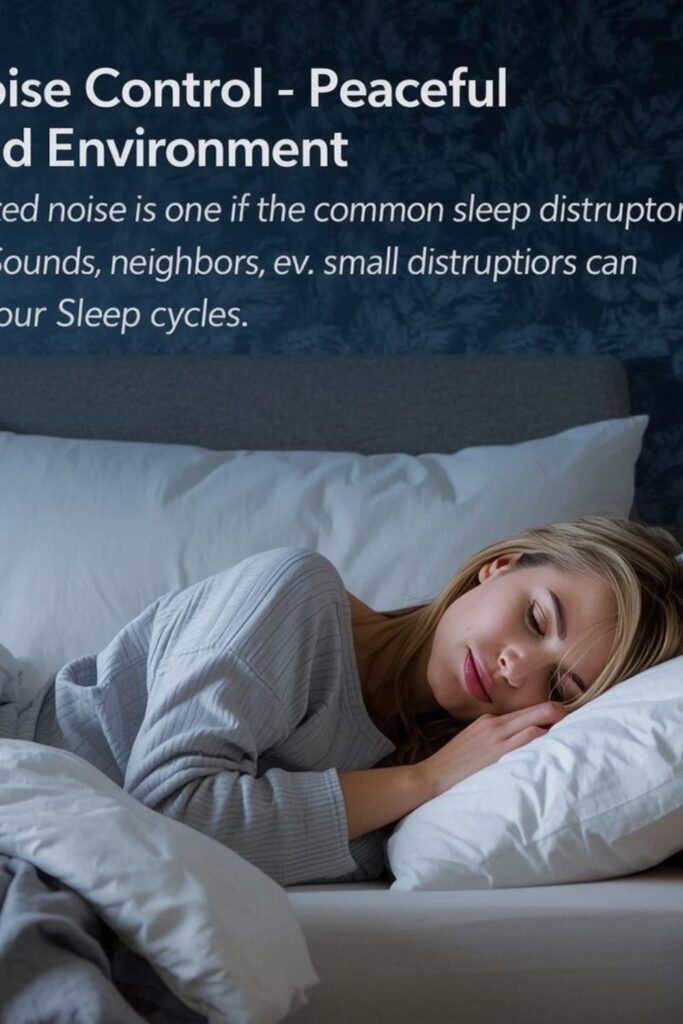
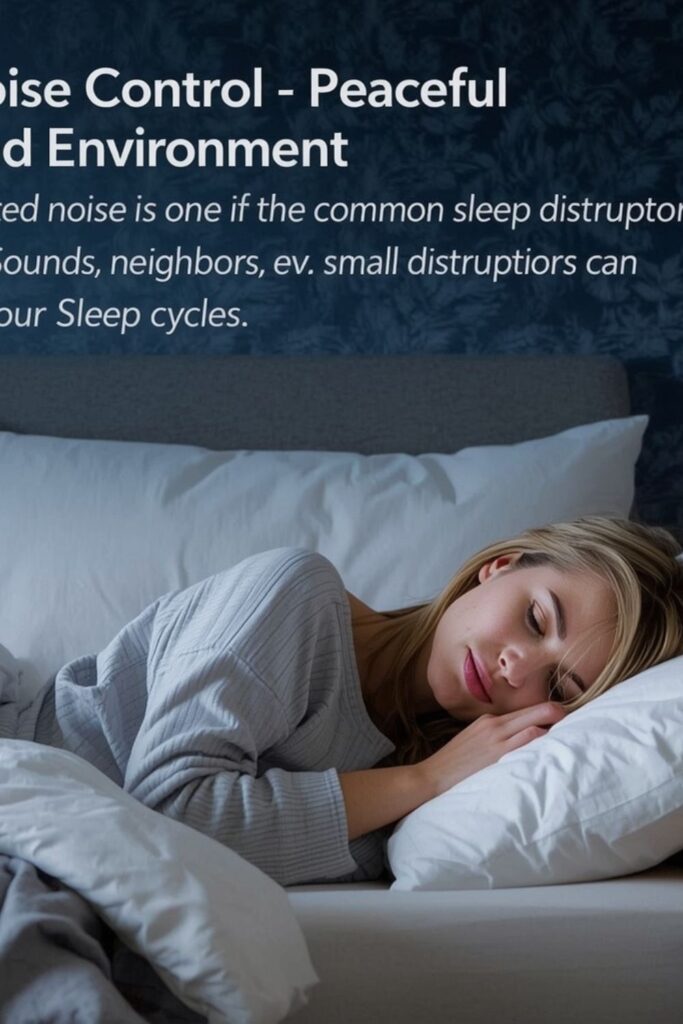
Unwanted noise is one of the most common sleep disruptors. Traffic sounds, neighbors, or even small disturbances can break your sleep cycle.
Using earplugs or a white noise machine can help mask external sounds and create a consistent audio environment. White noise is especially helpful because it blends background sounds into a steady, calming hum.
A quiet bedroom promotes uninterrupted sleep, allowing your body to complete its natural sleep cycles.
7. Comfortable Sleepwear
What you wear to bed can impact your comfort level throughout the night. Tight or non-breathable clothing can cause discomfort and overheating.
Loose, soft, and breathable sleepwear made from cotton or bamboo fabric allows your body to relax fully. It also helps regulate temperature and reduces skin irritation.
Comfortable sleepwear ensures that nothing distracts you from getting restful sleep.
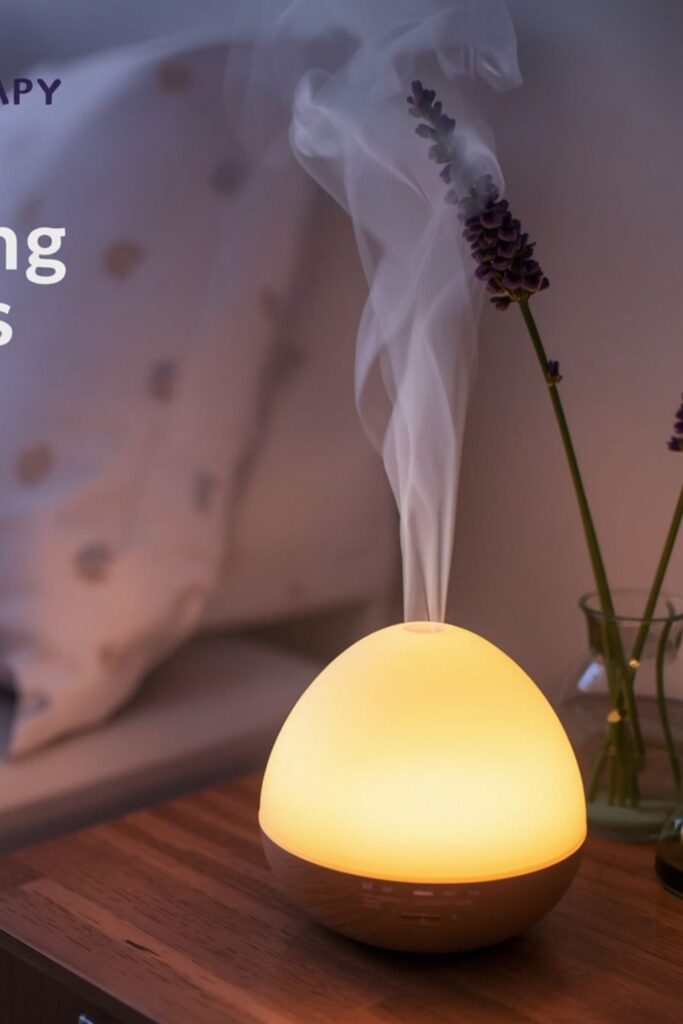
8. Aromatherapy & Calming Scents

Scents have a powerful effect on mood and relaxation. Aromatherapy using essential oils like lavender, chamomile, or sandalwood can help reduce stress and promote sleep.
Using a diffuser or pillow spray before bedtime creates a calming environment that signals your brain to unwind. This simple addition can significantly improve sleep quality over time.
9. Ideal Room Temperature for Sleep
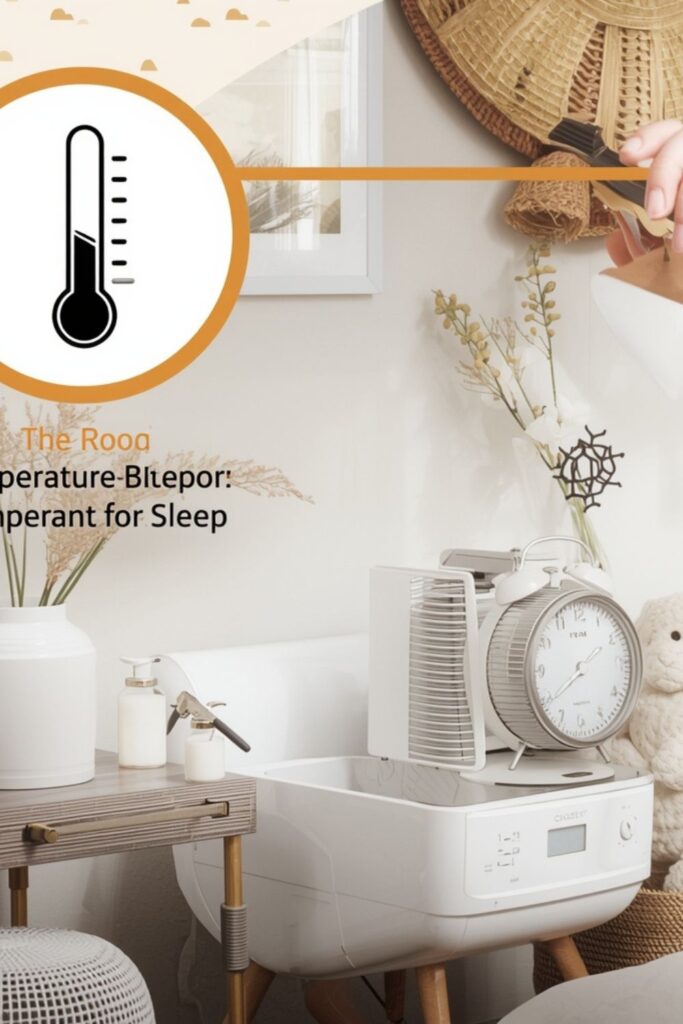
Room temperature plays a crucial role in how quickly you fall asleep and how well you stay asleep. A room that is too hot or too cold can cause discomfort and frequent waking during the night.
Experts generally recommend keeping your bedroom temperature between 18–22°C for optimal sleep. This range helps your body naturally cool down, which is essential for initiating deep sleep.
Using a fan, air conditioner, or proper ventilation can help maintain a consistent temperature. When your room feels just right, your body relaxes faster and sleep becomes more restful.
10. Decluttered & Clean Sleep Environment
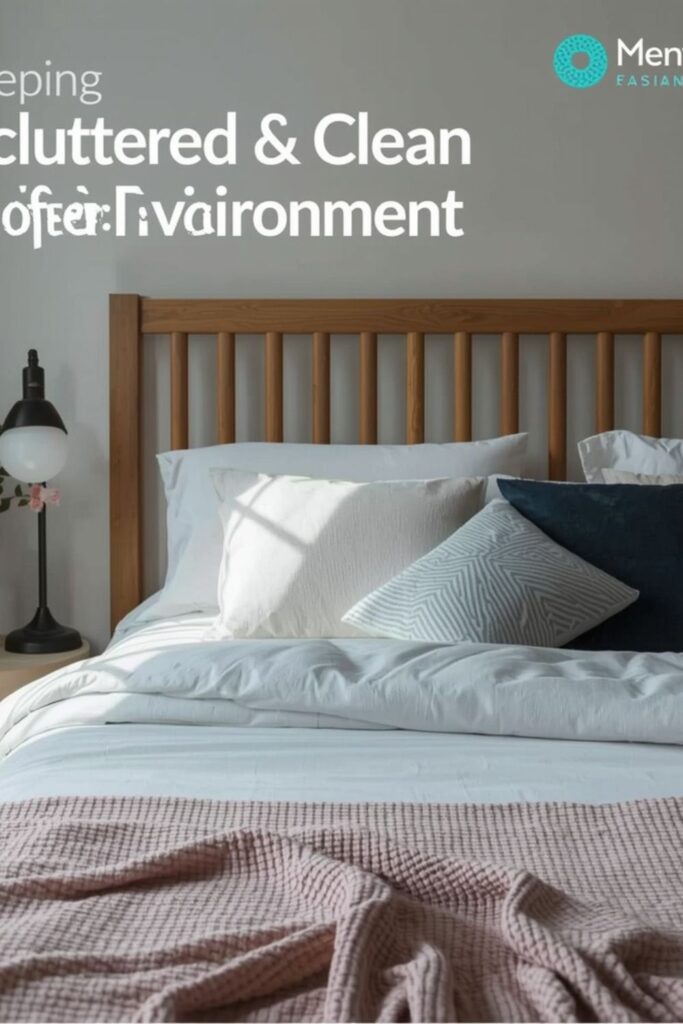
A messy bedroom can subconsciously increase stress and make it harder for your mind to relax. Clutter creates visual noise, which can interfere with your ability to unwind before bedtime.
Keeping your bedroom clean, organized, and minimal helps create a calm and peaceful atmosphere. Simple habits like making your bed daily, reducing unnecessary items, and maintaining cleanliness can improve your overall sleep experience.
A tidy space promotes mental clarity and relaxation, making it easier for you to fall asleep and enjoy uninterrupted rest.
FAQ – Must-Have Sleep Essentials
Q1. What is the most important sleep essential?
The mattress is the most important, as it directly affects comfort, posture, and overall sleep quality.
Q2. How do blackout curtains improve sleep?
They block external light, helping your body produce melatonin and maintain a natural sleep cycle.
Q3. Are expensive pillows worth it?
Yes, a good pillow provides proper neck support and prevents pain or discomfort during sleep.
Q4. Which fabric is best for bedsheets?
Cotton, linen, and bamboo are the best options because they are breathable and comfortable.
Q5. Can scents really help with sleep?
Yes, calming scents like lavender are proven to reduce stress and promote relaxation before bedtime.
Conclusion
Creating the perfect sleep environment doesn’t require a complete bedroom makeover. By focusing on these must-have sleep essentials like a comfortable mattress, supportive pillows, breathable bedding, and a शांत atmosphere you can dramatically improve your sleep quality.
Small changes can make a big difference. When your bedroom supports relaxation and comfort, falling asleep becomes easier, and waking up refreshed becomes your new normal.
Explore More: 10 Small Bedroom Ideas to Make Your Space Look Bigger and Stylish (2026 Guide)