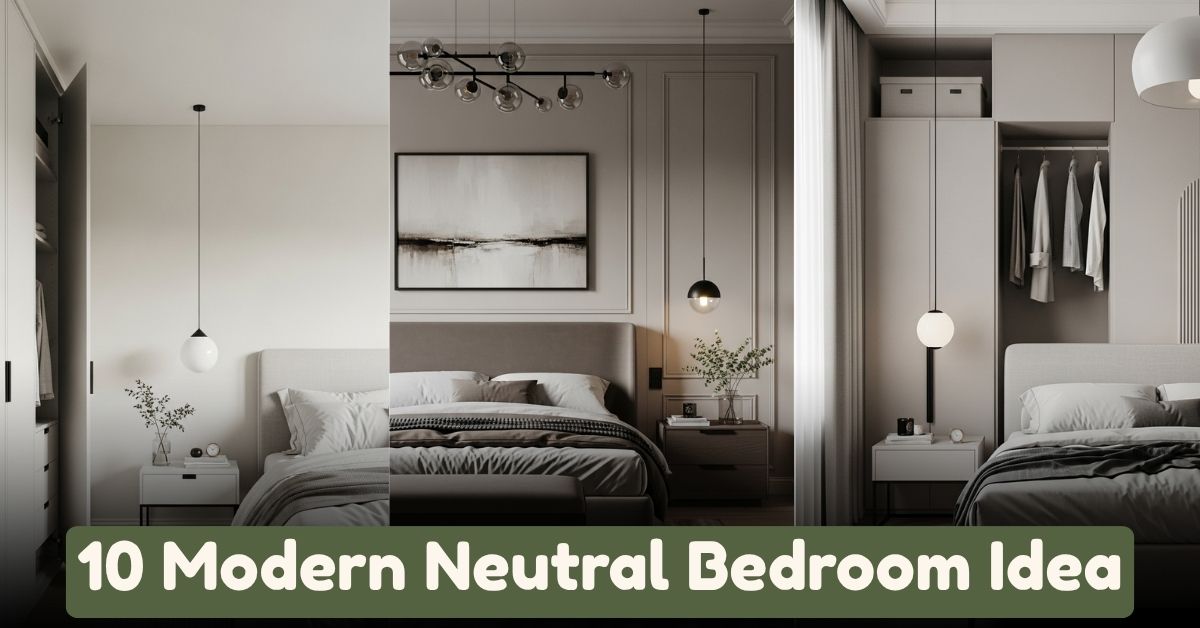
A good night’s sleep is influenced by more than just a comfortable mattress. The way a bedroom looks, feels, and functions plays a powerful role in how quickly the body relaxes and how deeply the mind rests. Thoughtful bedroom design can quietly support better sleep by reducing visual stress, balancing lighting, and creating a peaceful atmosphere.
In modern homes across the US, UK, and other Tier-1 countries, bedroom interiors are increasingly designed with wellness in mind. People are paying attention to calming colors, soft lighting, organized layouts, and materials that feel natural and comforting. These elements work together to create an environment where sleep feels effortless rather than forced.
Below are carefully explained bedroom design ideas that improve sleep quality while keeping the space modern, stylish, and calming. Each idea focuses on practical changes that can be applied in both small bedrooms and larger master suites.
10 Bedroom Design Ideas That Improve Sleep

Table of Contents
1. Soft Neutral Color Palettes That Calm the Mind
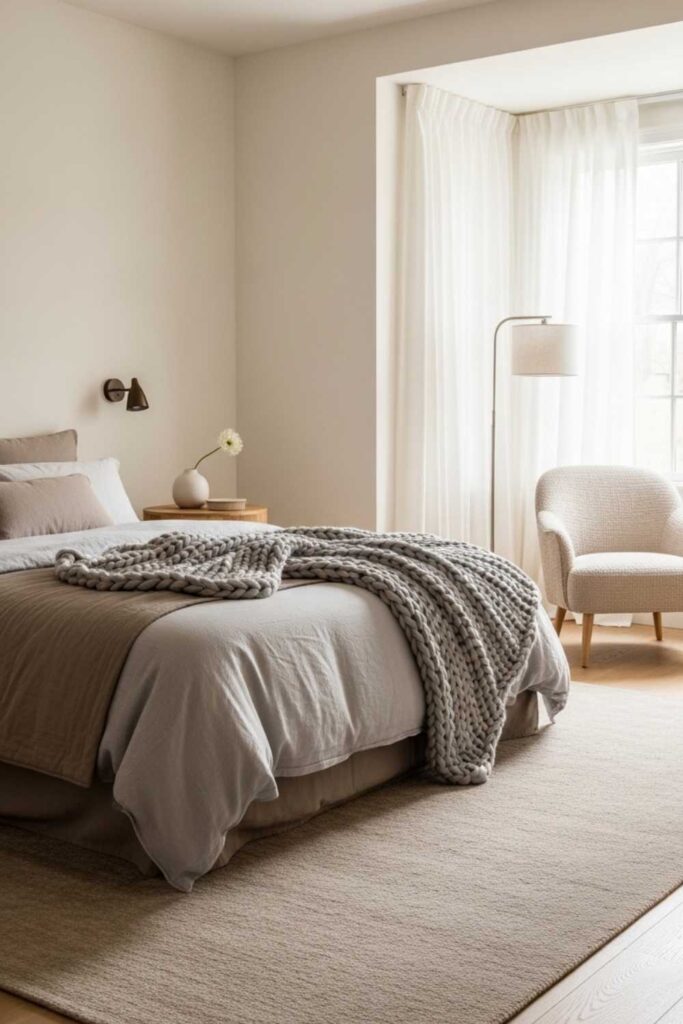
Colors influence the nervous system more than most people realize. Soft neutrals such as warm white, beige, light grey, and muted taupe help reduce visual stimulation and allow the mind to settle naturally at night. These tones create a quiet background that supports relaxation without feeling dull.
Neutral walls also reflect light gently, preventing harsh contrasts that can feel mentally tiring. When combined with soft bedding and curtains in similar shades, the entire room feels cohesive and emotionally soothing. This visual harmony helps signal the brain that it is time to slow down.
In many relaxing bedroom designs for small rooms, neutral palettes are preferred because they make the space feel larger and more breathable. A calm color scheme is one of the simplest yet most effective ways to improve sleep quality through design.
2. Layered Lighting That Supports Natural Sleep Rhythms

Lighting strongly affects the body’s internal clock. Bright overhead lights late at night can delay sleep, while warm layered lighting encourages the brain to prepare for rest. Using bedside lamps, wall lights, and dimmable fixtures allows the room to transition smoothly from day to evening.
Soft warm lighting creates a comfortable glow that feels gentle on the eyes. This type of lighting reduces stimulation and helps the body produce melatonin naturally, making it easier to fall asleep without effort.
Modern bedroom design ideas that improve sleep often avoid a single harsh ceiling light. Instead, they focus on layered lighting that adapts to different times of the day, creating a space that feels calm and welcoming at night.
3. Comfortable Bedding That Enhances Physical Relaxation

Sleep quality is deeply connected to physical comfort. Soft breathable bedding made from cotton, linen, or bamboo fabrics helps regulate body temperature and prevents overheating during the night. When the body feels comfortable, sleep becomes deeper and more restorative.
Layered bedding also adds a sense of coziness that makes the bed feel inviting. Plush pillows, soft duvets, and lightweight throws create a relaxing environment that encourages the body to unwind naturally.
In master bedroom design ideas that improve sleep quality, the bed is treated as the central feature of the room. Investing in high quality bedding not only improves comfort but also enhances the overall aesthetic of the space.
4. Clutter-Free Layouts That Reduce Mental Stress
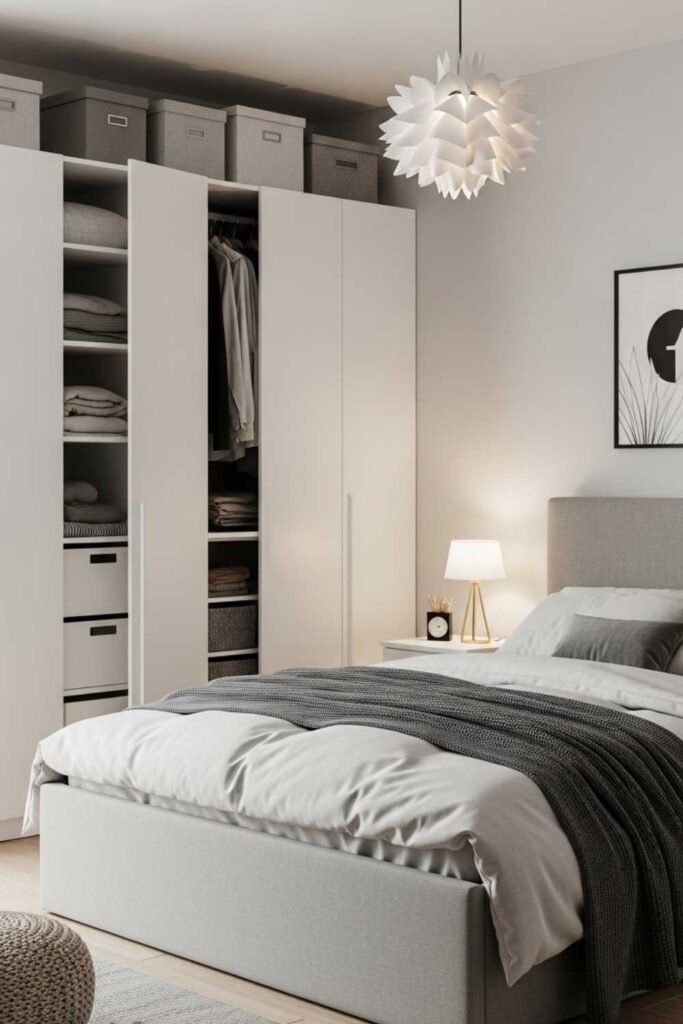
A cluttered bedroom can create a subtle sense of anxiety, even if it is not consciously noticed. Visual noise keeps the mind active and makes it harder to relax before sleep. Keeping surfaces clear and maintaining an organized layout supports mental calm.
Hidden storage solutions such as drawers, wardrobes, and storage beds help maintain a tidy environment without sacrificing functionality. A clean space allows the brain to associate the bedroom with rest rather than activity.
Bedroom environment for good sleep often focuses on simplicity. When unnecessary items are removed, the room feels lighter, calmer, and more peaceful, making it easier to fall asleep quickly.
5. Blackout Curtains That Improve Sleep Quality
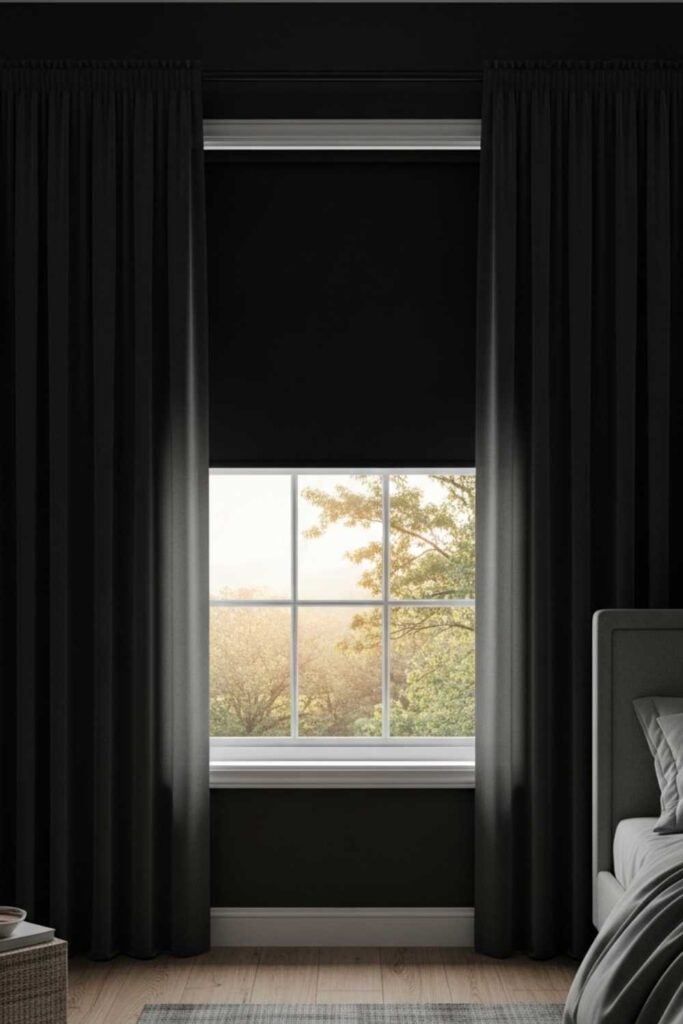
Light exposure during the night can interrupt sleep cycles and reduce sleep depth. Blackout curtains or thick window treatments help block external light from street lamps, cars, or early sunrise. This creates a darker environment that supports uninterrupted rest.
Darkness signals the body that it is time to sleep, helping regulate natural circadian rhythms. A properly dark room also reduces early morning wakeups caused by outside light.
Many relaxing bedroom ideas for small rooms include blackout curtains because they improve both sleep quality and privacy while adding softness to the room’s design.
Read More: 10 Small Bedroom Decor Ideas for Modern Apartments That Feel Calm and Spacious
Read More: 12 Mood-Boosting Bedroom Paint Color Ideas for Better Sleep and Calm
6. Natural Materials That Create a Restful Atmosphere

Natural materials such as wood, cotton, linen, and woven textures help create a calm and grounding environment. These materials feel warm and organic, which contributes to a sense of comfort and emotional relaxation.
Wood furniture or soft textured rugs add warmth without overwhelming the space. The room feels balanced and connected to nature, which can reduce stress levels before bedtime.
Create a relaxing bedroom sanctuary by choosing materials that feel soft and natural rather than overly glossy or artificial. This approach supports both visual calm and physical comfort.
7. Temperature-Friendly Bedroom Design
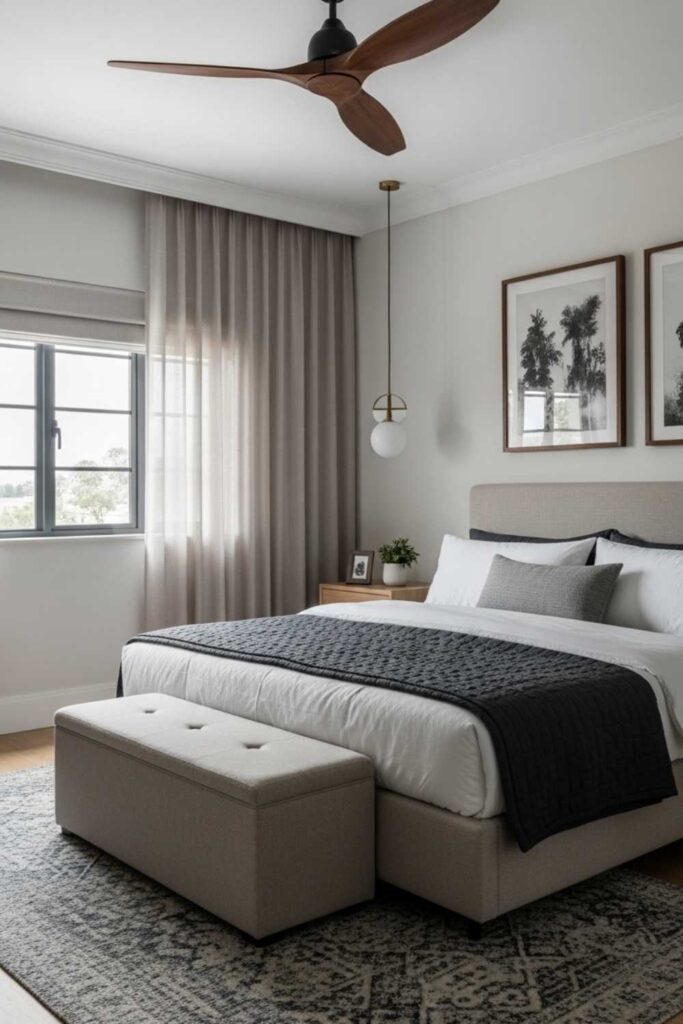
Temperature plays a major role in sleep quality. A bedroom that stays slightly cool helps the body relax faster and sleep more deeply. Breathable bedding, proper ventilation, and lightweight curtains help maintain a comfortable environment.
Design elements such as ceiling fans, natural airflow, and minimal heavy fabrics help prevent heat buildup. This keeps the bedroom comfortable throughout the night without disturbing sleep.
Bedroom design ideas that improve sleep quality often consider airflow and temperature as essential parts of the design rather than afterthoughts.
8. Minimal Technology for Better Sleep Hygiene
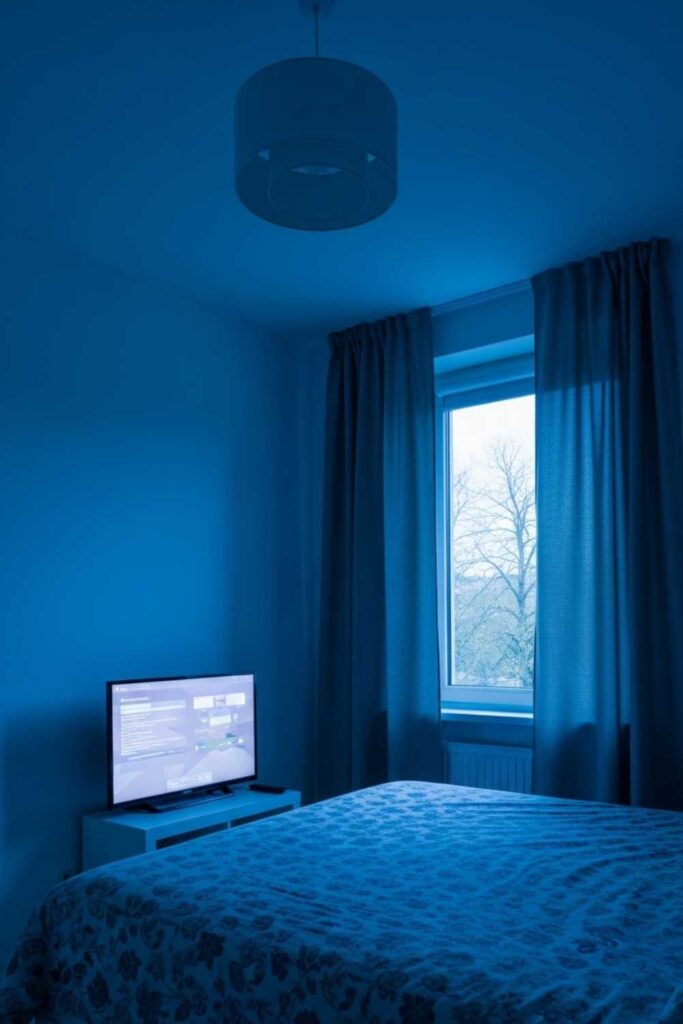
Screens and electronic devices emit blue light that interferes with melatonin production. Reducing visible technology in the bedroom helps create a space dedicated to rest rather than stimulation.
Keeping televisions, bright screens, and unnecessary devices away from the bed encourages healthier sleep habits. The room feels quieter and less distracting, which supports relaxation.
Modern bedroom design ideas increasingly focus on creating tech-light environments where the bedroom becomes a calm retreat rather than an extension of the living room.
9. Soft Textures That Create Emotional Comfort
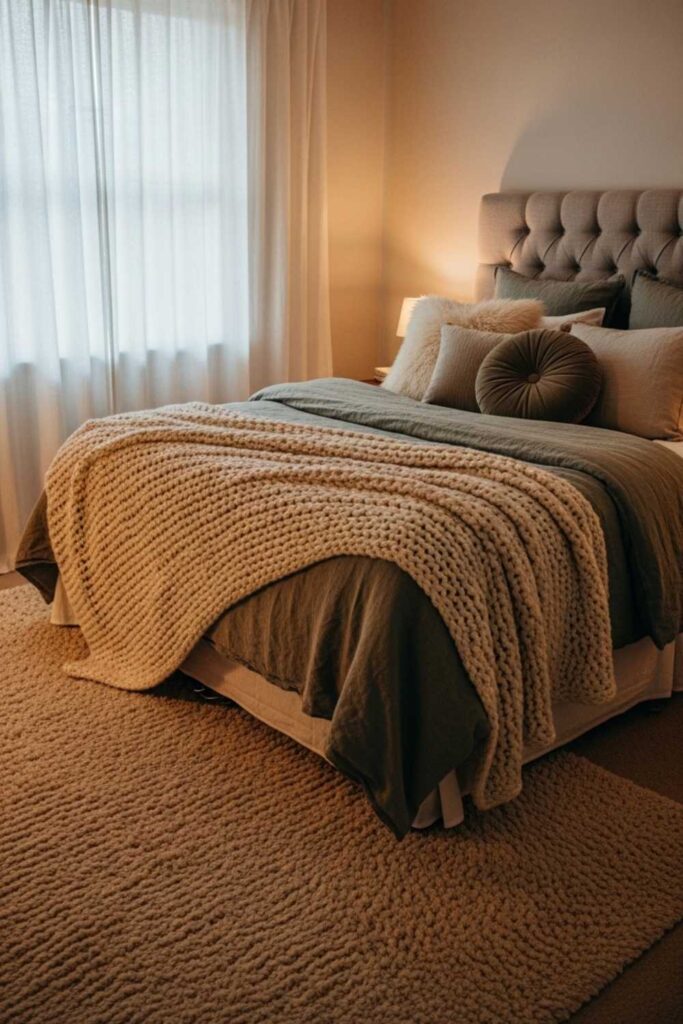
Texture plays an important role in how a room feels emotionally. Soft rugs, upholstered headboards, linen curtains, and cozy blankets add warmth and comfort to the space.
These textures absorb sound and reduce echoes, making the room feel quieter and more peaceful. A quieter environment naturally supports deeper sleep.
Things to put in your bedroom to help you sleep often include soft, comforting materials that make the space feel safe and relaxing. Texture adds depth while maintaining calmness.
10. Personal Details That Promote Relaxation
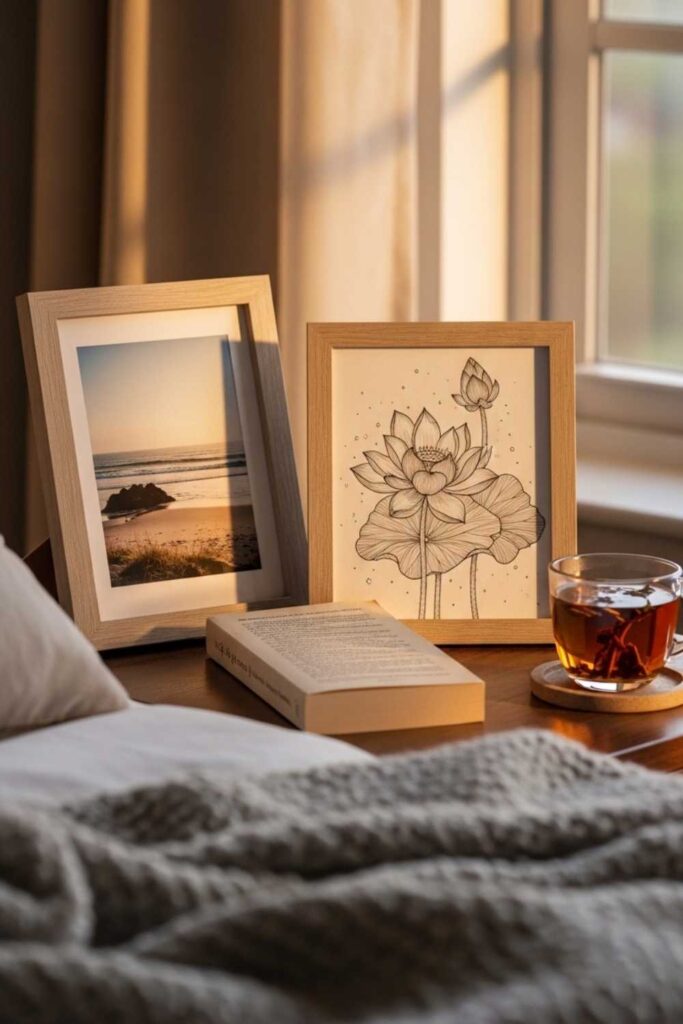
A bedroom should feel personal but not overwhelming. A few meaningful items such as framed photos, calming artwork, or a favorite book can create emotional comfort without adding clutter.
Personal details make the space feel familiar and safe, which helps the mind relax at the end of the day. The goal is to create warmth without visual distraction.
Bedroom design ideas that improve sleep work best when the room reflects calm and simplicity while still feeling personal and inviting.
Conclusion
Improving sleep does not always require expensive upgrades or major renovations. Small design changes such as calming colors, soft lighting, comfortable bedding, and organized layouts can significantly improve how the body and mind rest at night.
A well-designed bedroom supports relaxation naturally. When the environment feels calm, the mind follows, and sleep becomes deeper and more restorative.
Read More: Luxury Bedroom Design for Deep Rest and Everyday Comfort